★★★★★
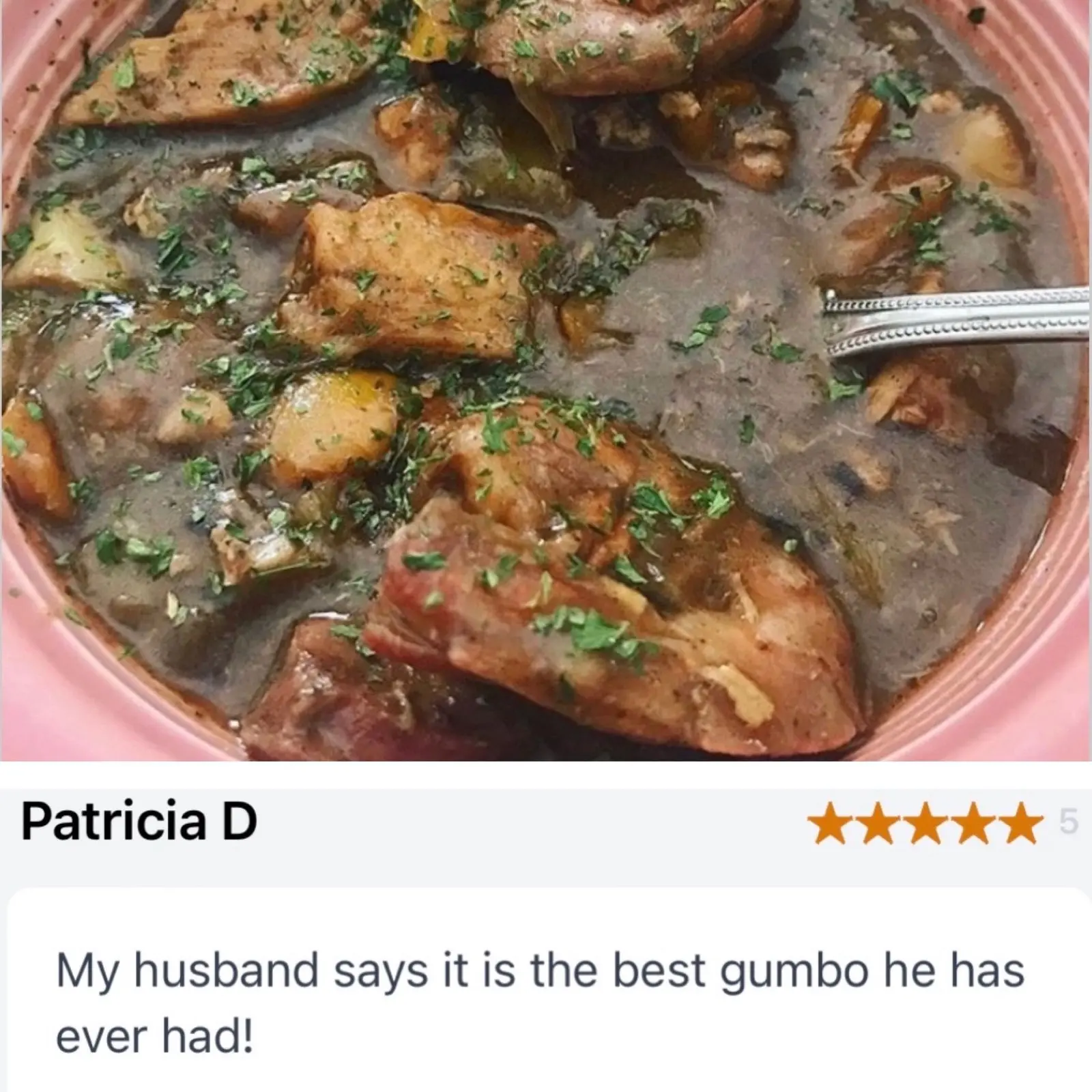
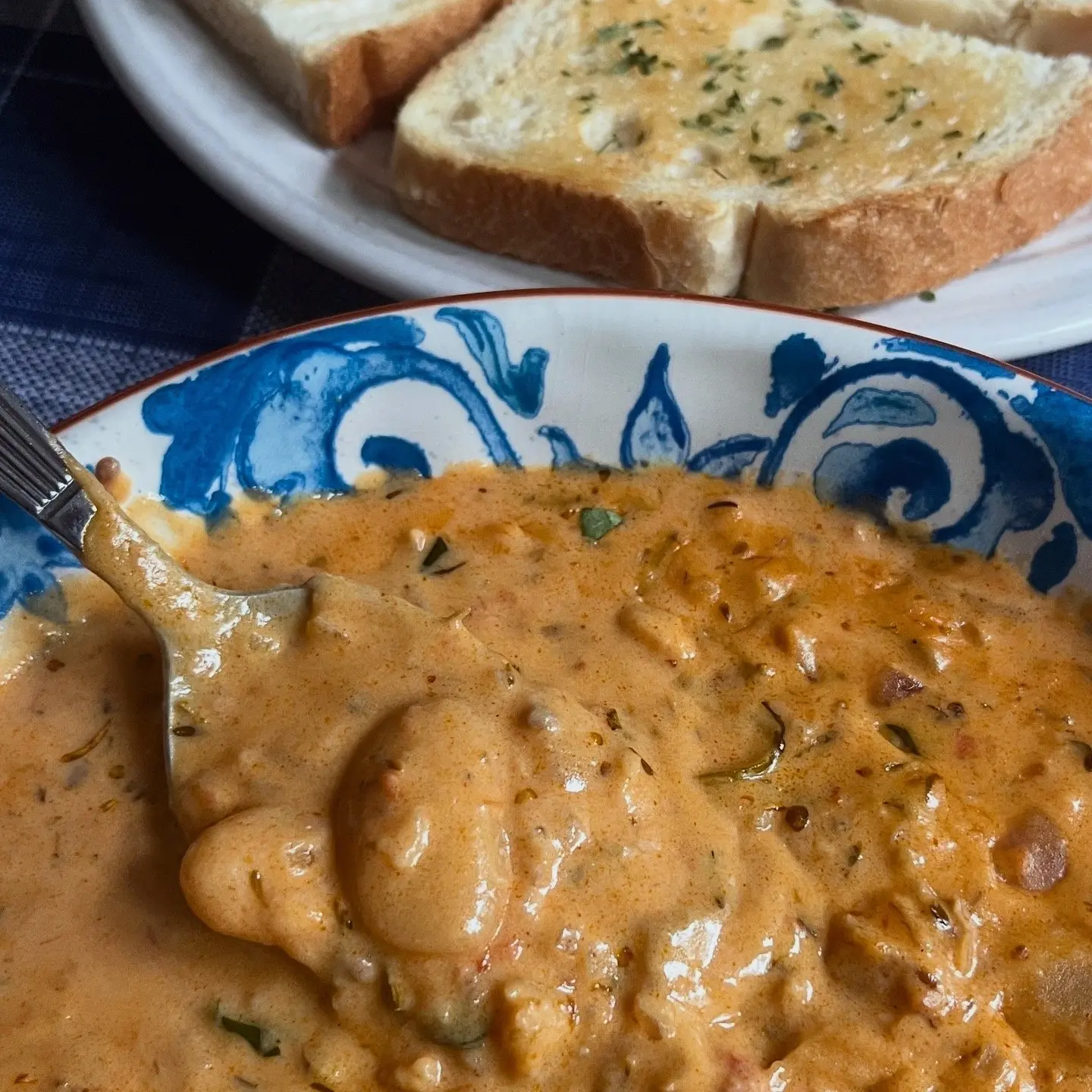
“My husband says it is the best gumbo he has ever had!”Read the original review ↗
A living record of food, family and cultural stewardship.
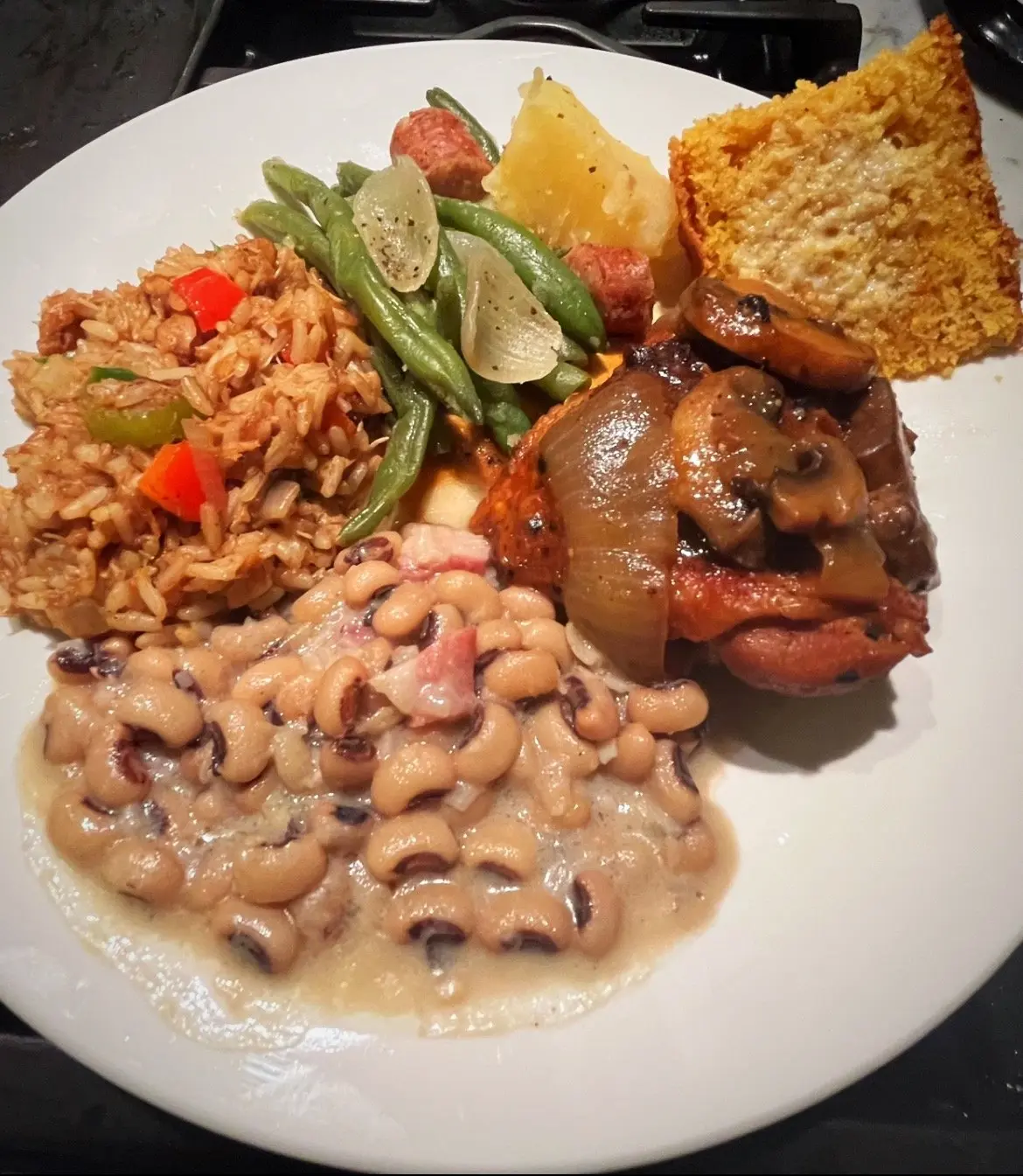
From our coastal Carolina roots.
Smothered chicken. Crab rice. Black-eyed peas in coconut milk. Sweet potato cornbread with honey butter.
Here, the individual preparations become a meal—and a way of remembering.
Smothered chicken; string beans with potatoes, onions and Conecuh sausage; stewed black-eyed peas in coconut milk with slab bacon and Vidalia onions; crab rice; sweet potato cornbread with honey butter.
I approach this collection as a chef and cultural steward. My Foundational Black American inheritance and our family’s Carolina roots guide what I choose to preserve, cook and share. The names of dishes, the way a sauce is built, the texture of a biscuit and the arrangement of a plate all deserve attention.
This is a living archive of my work: Southern and soul food preparations, Gullah-Geechee and Creole connections, and the personal interpretations that continue to enter my kitchen. These traditions each carry their own histories. I honor them by keeping their names visible and their context close.
My mother’s pastry craft and our family’s instinct to welcome people run through these pages. I gather this repertoire so the food can be seen, the work can be understood and the inheritance can keep moving from one table to the next.
Chef Tara M. JonesCulinary artist · Cultural steward
★★★★★
“My husband says it is the best gumbo he has ever had!”Read the original review ↗
★★★★★
“Excellent flavor, tasted very authentic if you enjoy Cajun food. Would definitely purchase again!”Read the original review ↗
Three points of context for the food represented here.
The Gullah-Geechee Cultural Heritage Corridor identifies rice, seafood, garden crops and African cooking knowledge as central to the region’s food traditions. This living culture has its own history within the wider Southern table.
Read the Corridor’s account ↗The Smithsonian traces how Southern Black cooks carried preparations such as seasoned greens into other parts of the United States during the Great Migrations. Food traveled with people, preserving memory as new communities took shape.
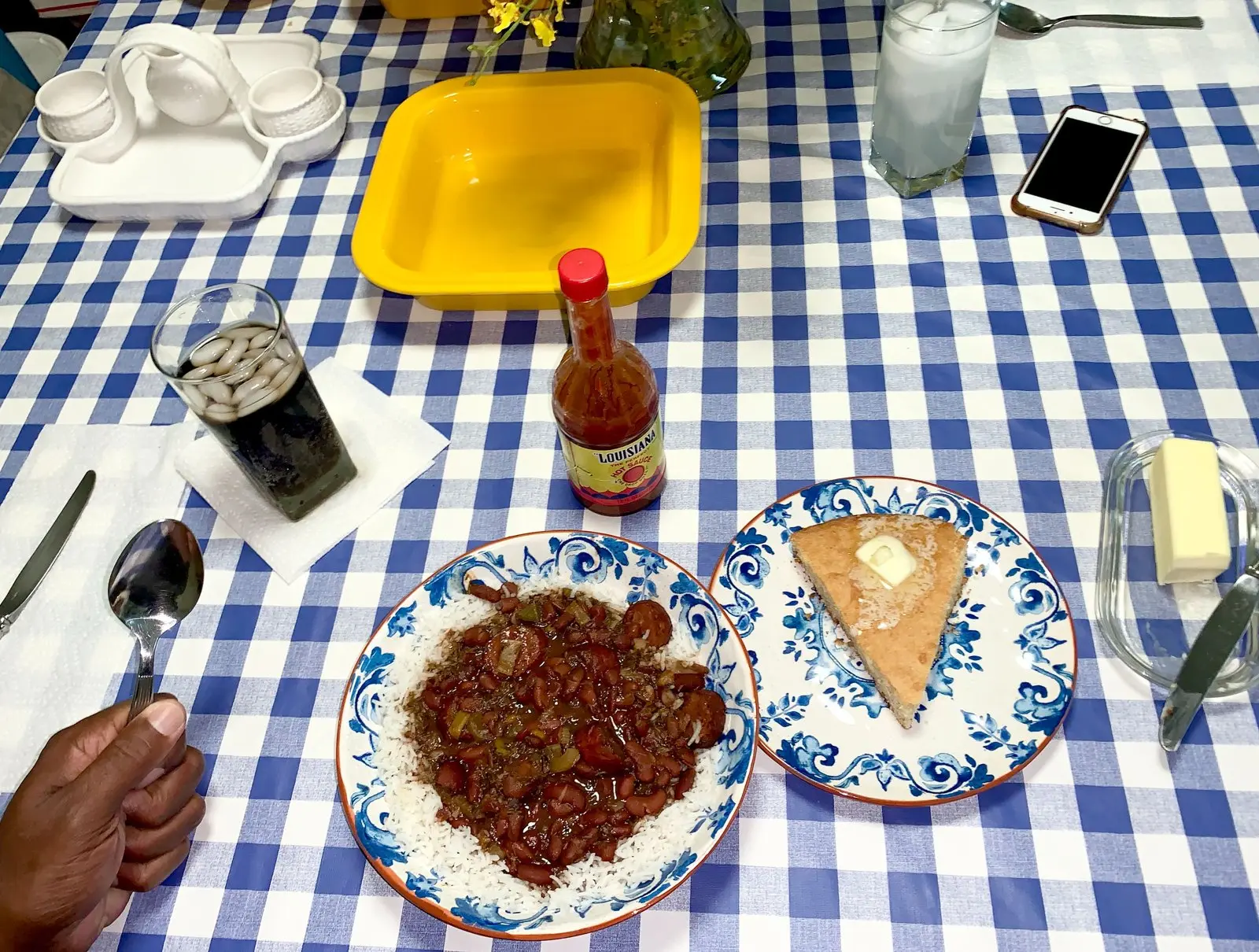
Explore Smithsonian foodways ↗The National Museum of African American History and Culture places red beans and rice within New Orleans Creole culture. A shared Southern table contains distinct regional histories, each worth naming with care.
Read Black Foodways and Cuisine ↗Browse by chapter or find a dish by name.
01 / The archive
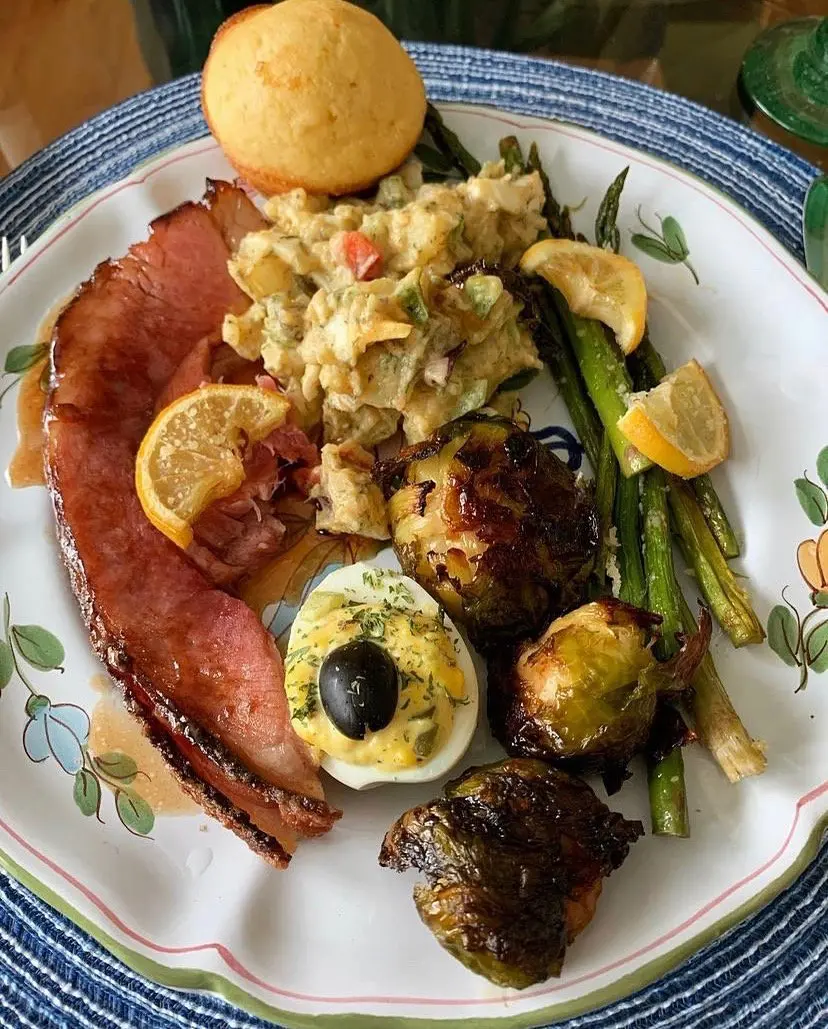
The meal as a composition: a coastal Carolina heritage plate, a familiar soul food platter and the abundance of a holiday gathering. Each brings several preparations into conversation.
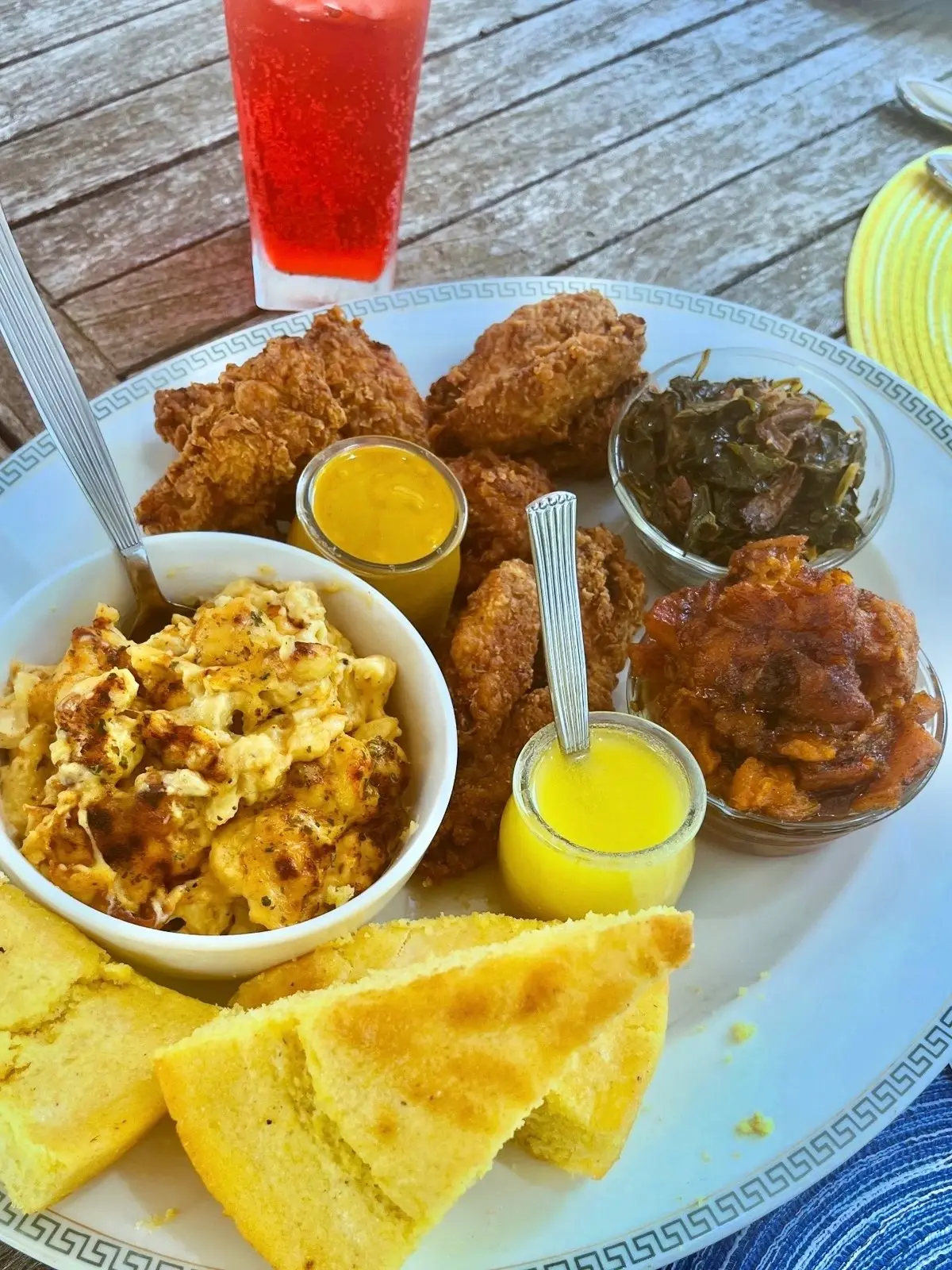
Fried wings, baked mac and cheese, collard greens, candied yams and buttermilk cornbread, with Carolina Gold BBQ sauce, honey-butter sauce and Cheerwine.
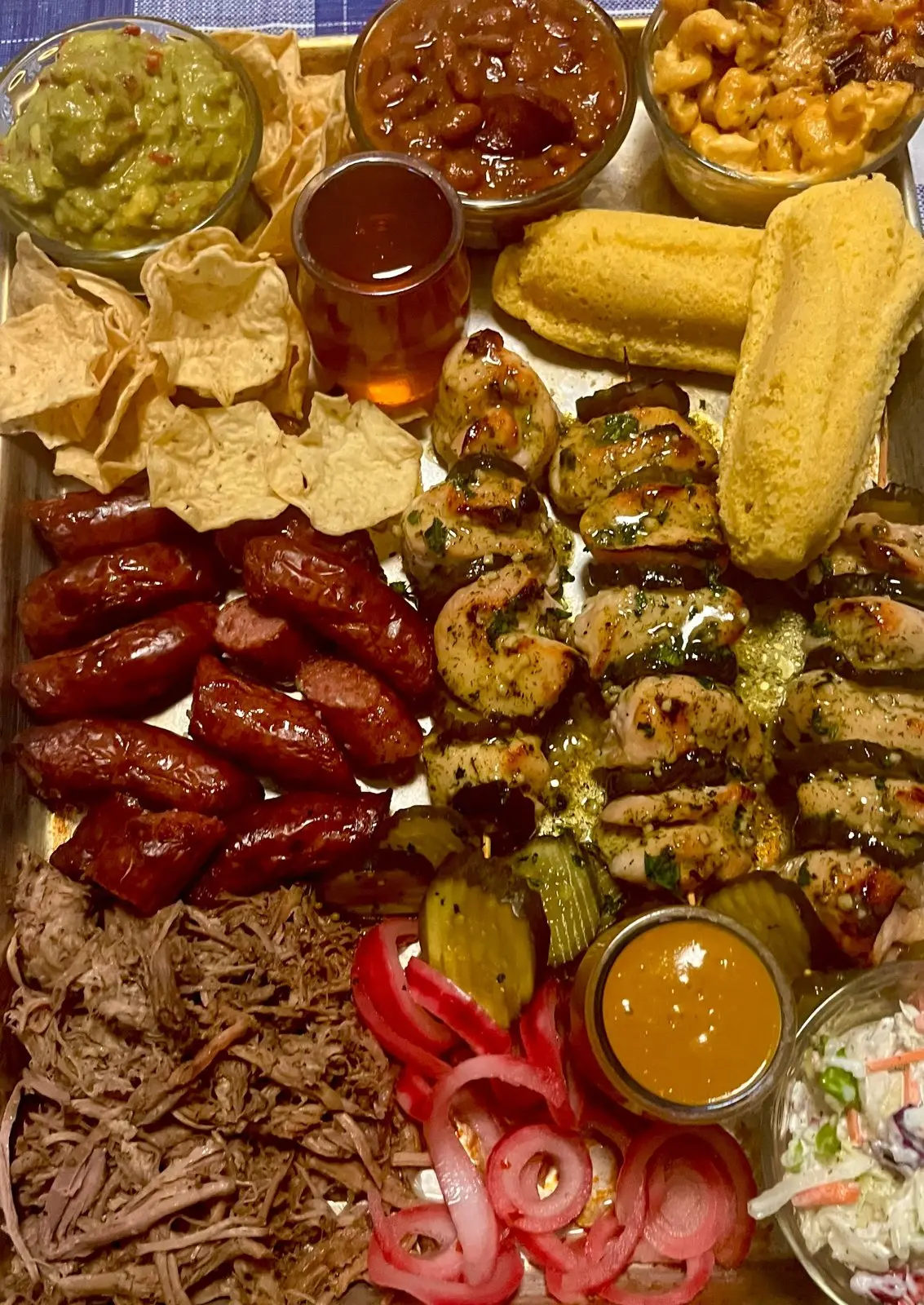
Peri-peri avocado dip with corn chips; North Carolina slow-smoked pulled pork shoulder; homemade Carolina Gold BBQ sauce; Alabama Conecuh black pepper sausages; pickle chicken skewers; cornsticks with butter and local honey; BBQ baked pinto beans; coleslaw; baked mac and cheese; pickled red onions; sweet and spicy pickles; Cheerwine.
02 / The archive
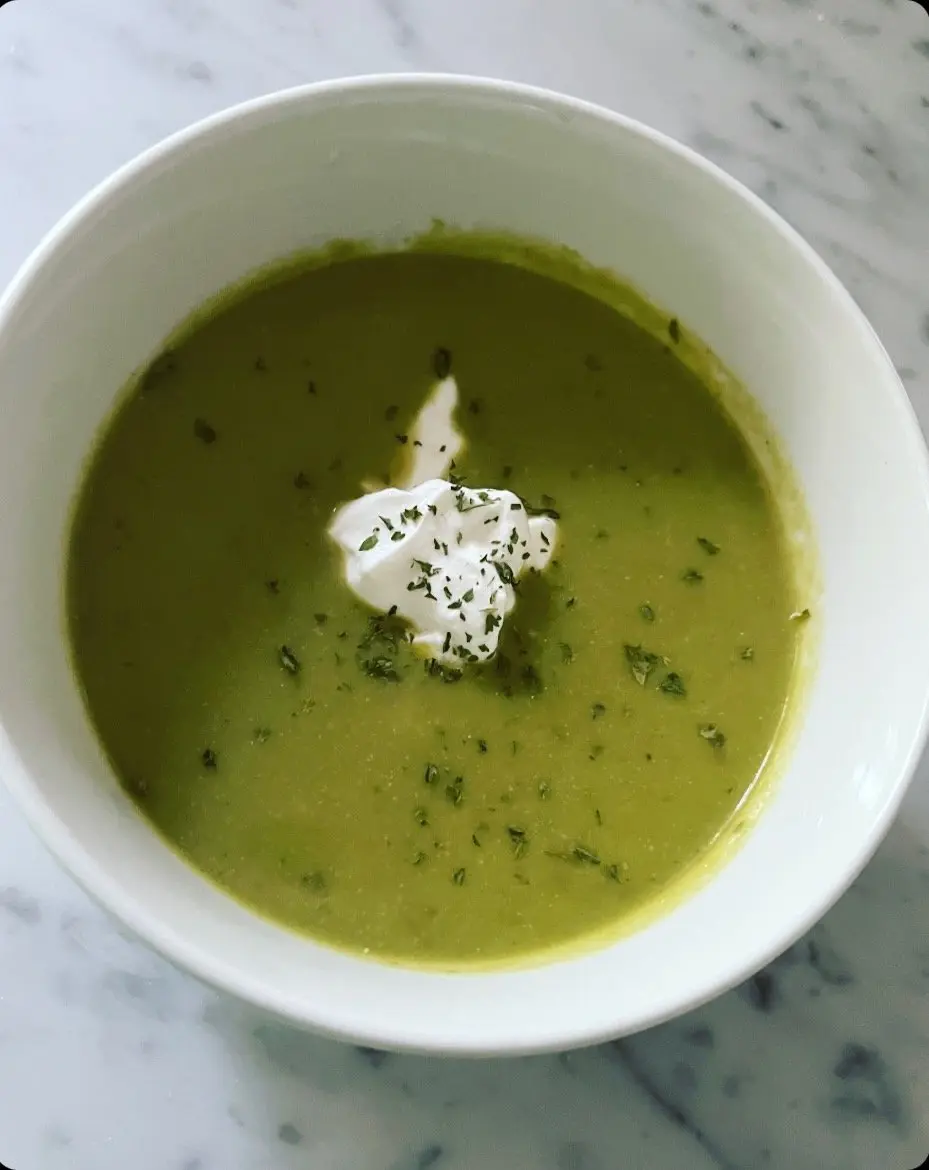
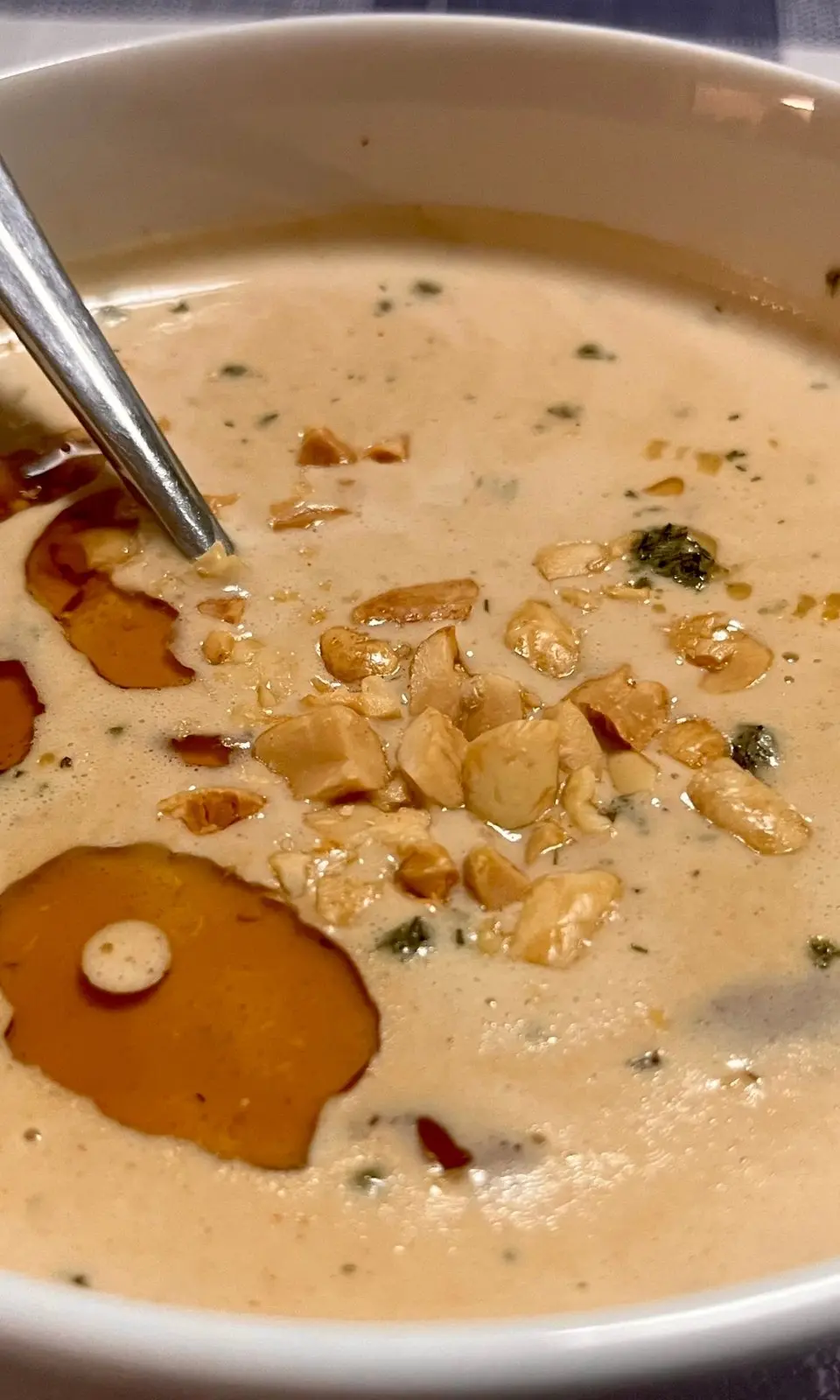
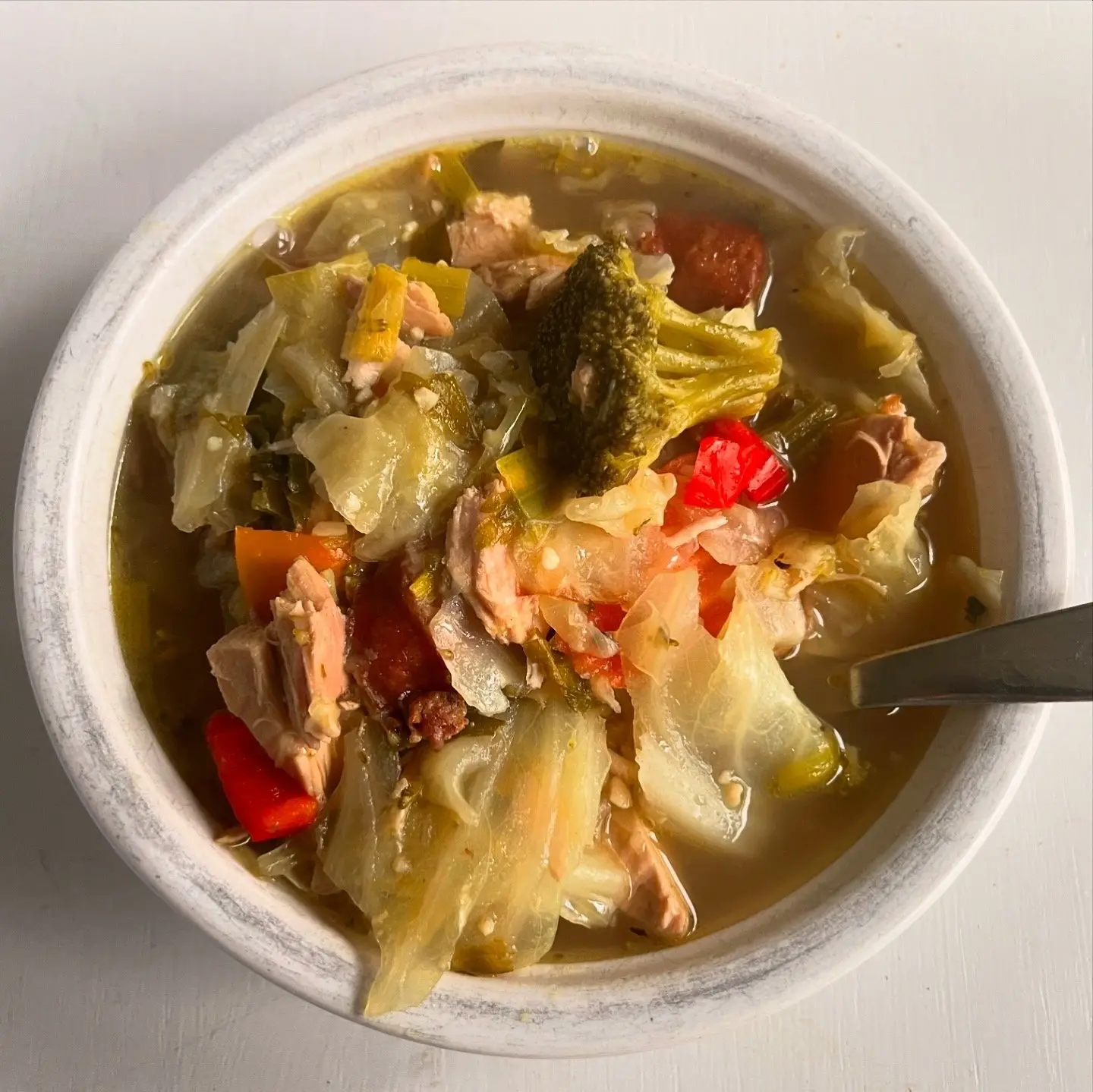
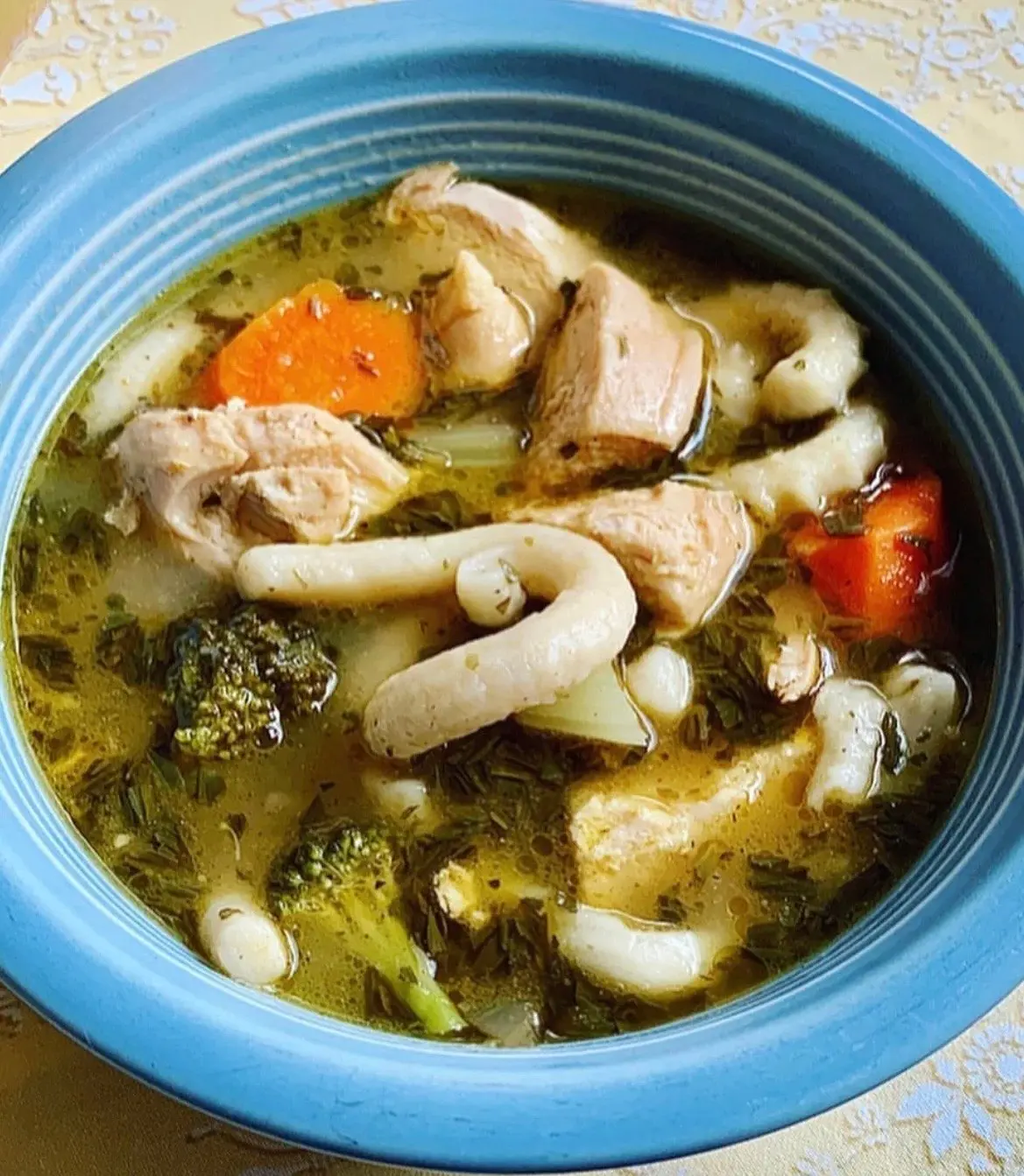
Greens, peanuts, chicken and a deeply seasoned gumbo. These bowls hold different textures and traditions, united here by the patient work of the pot.
03 / The archive
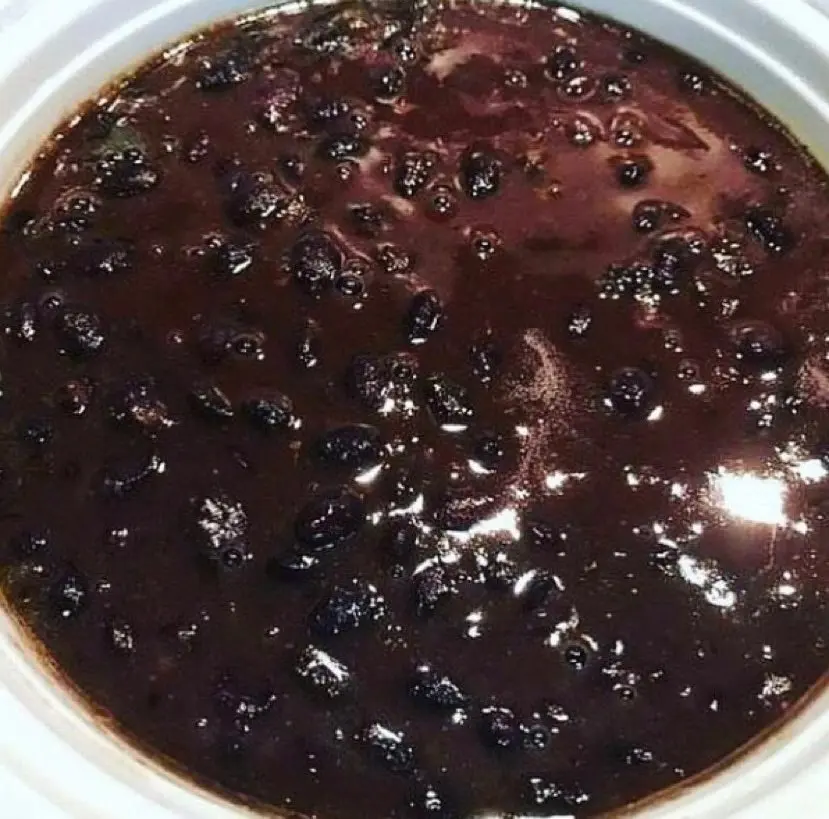
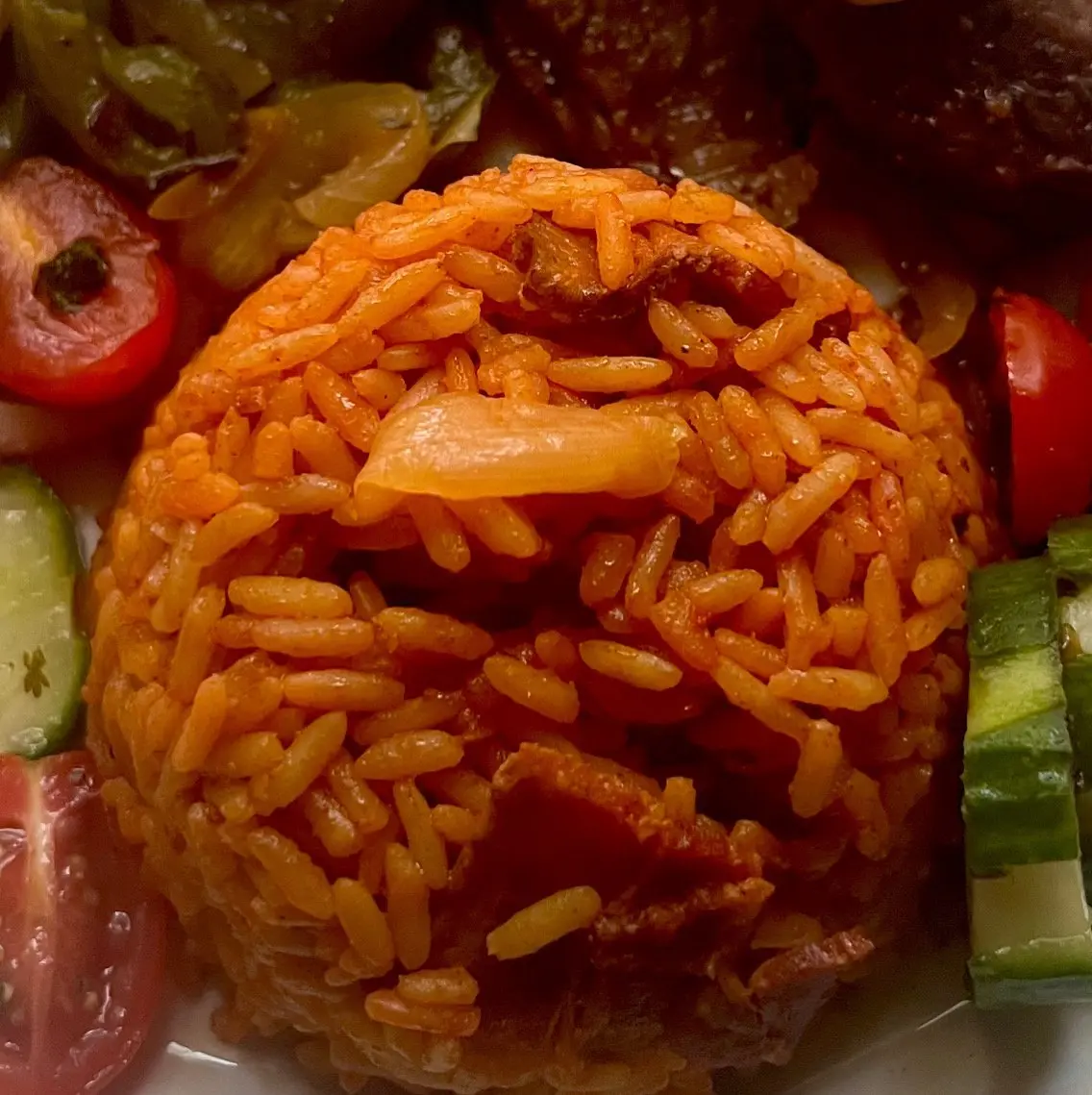
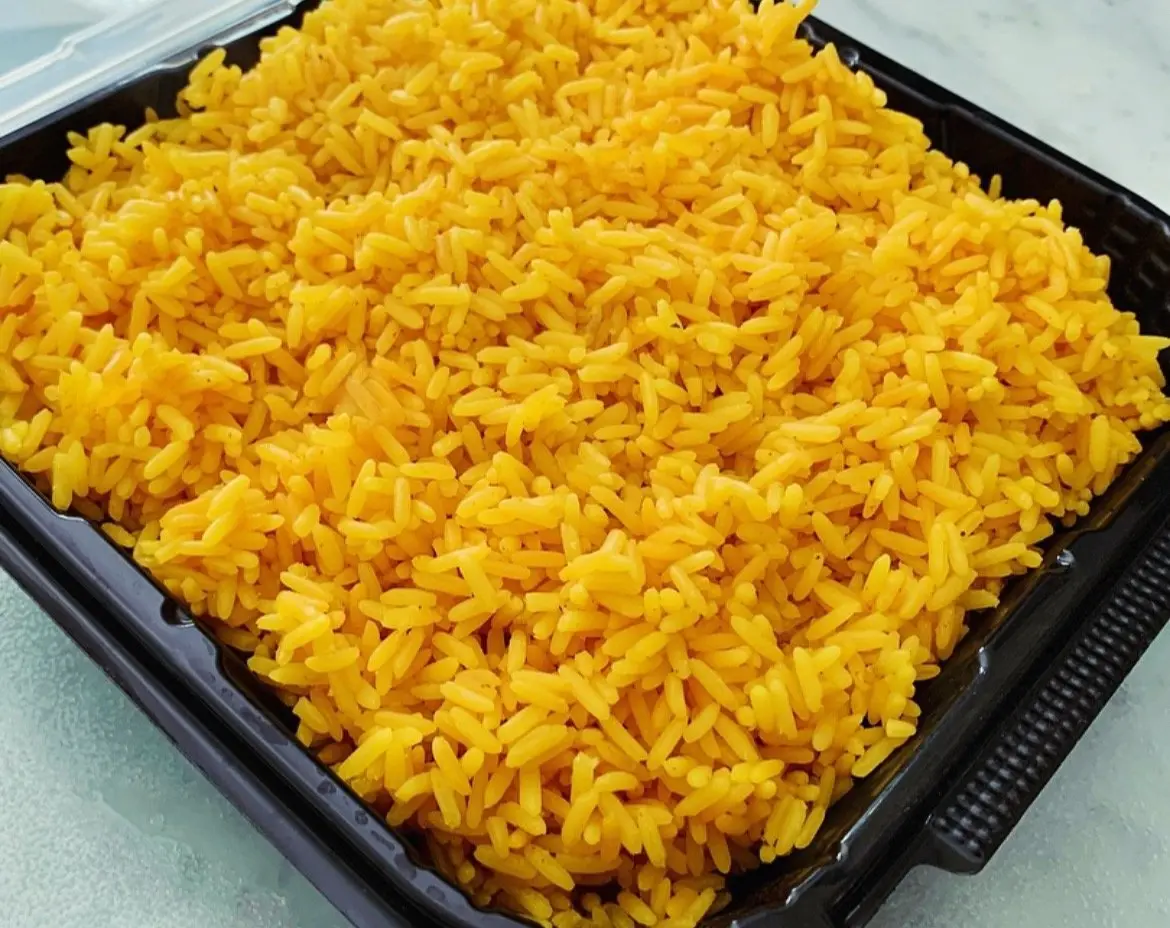
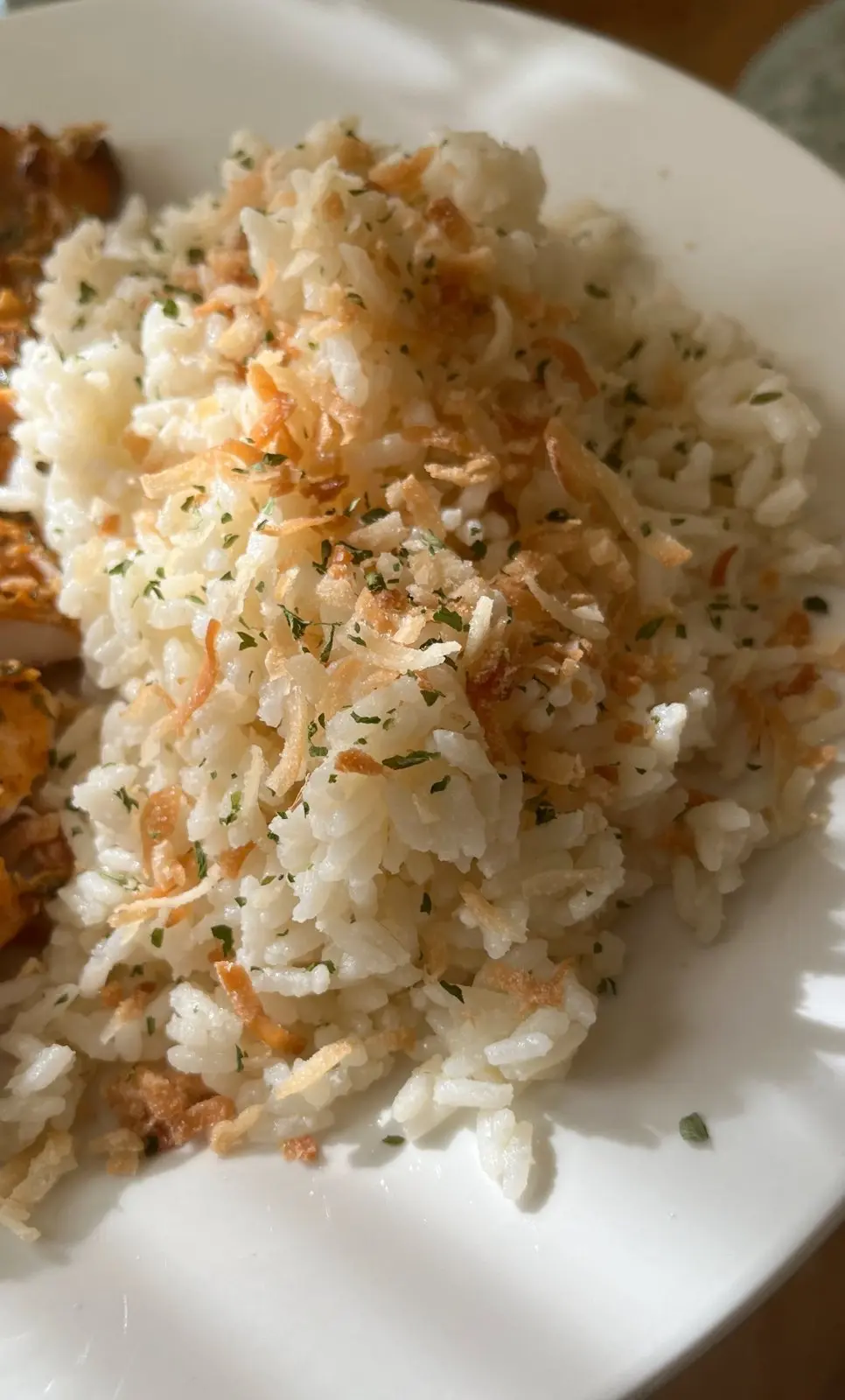
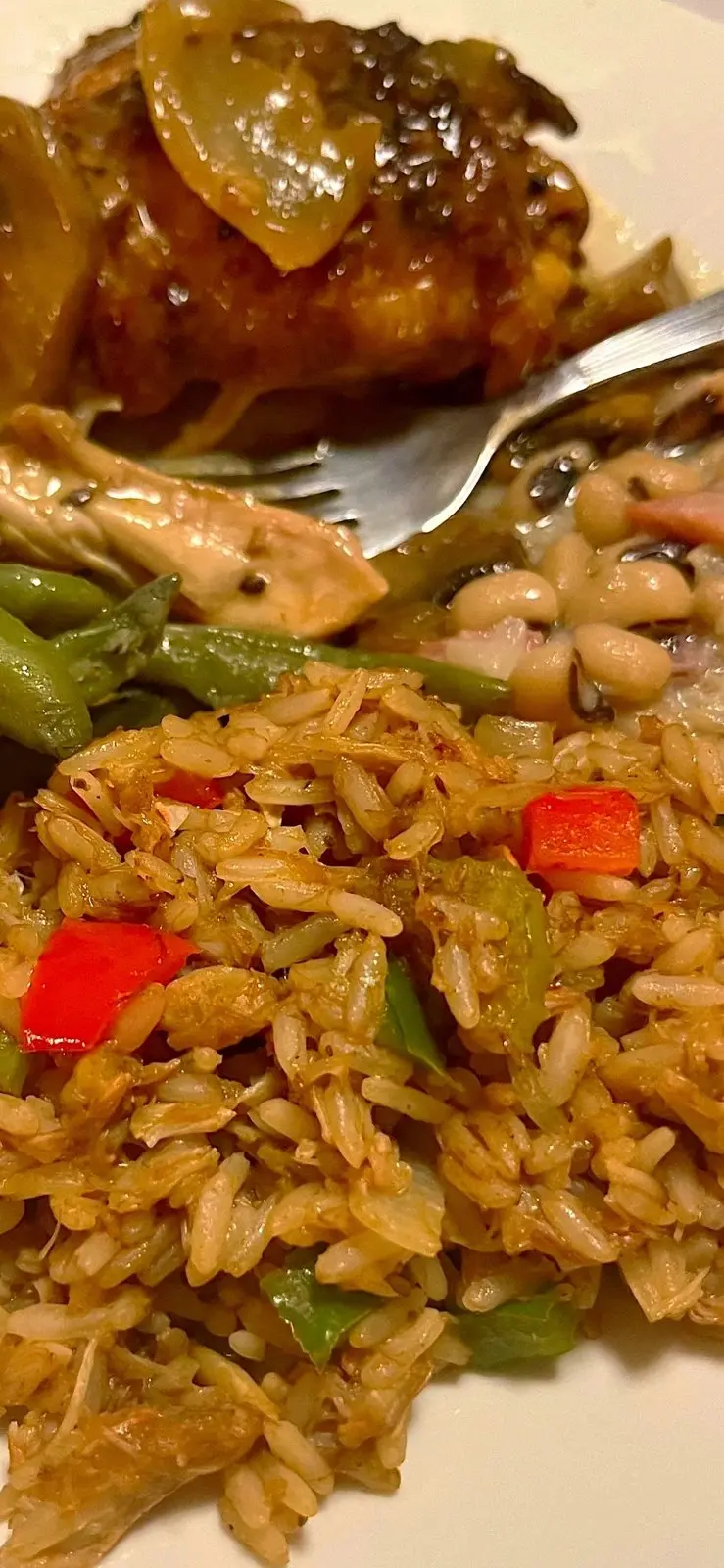
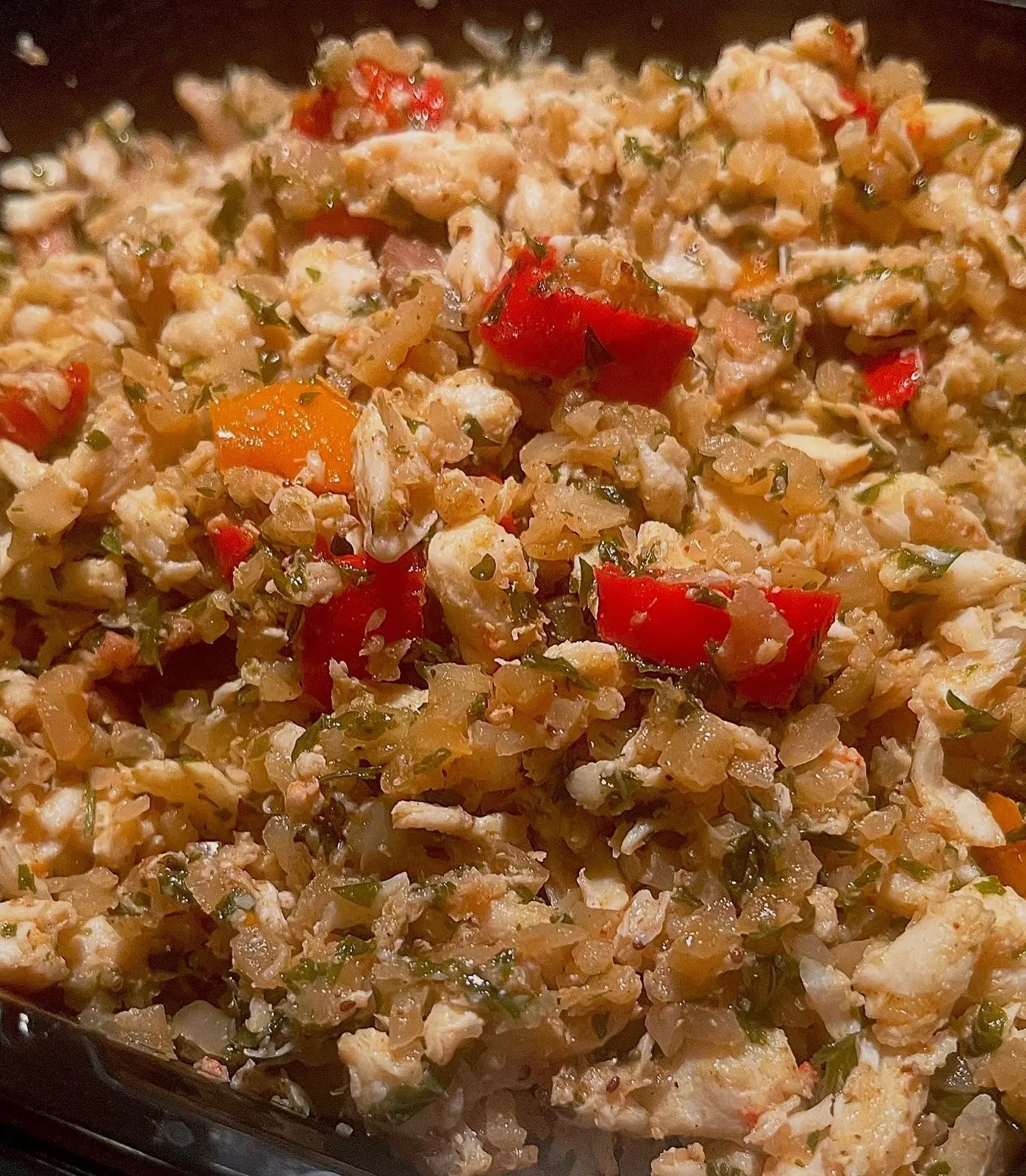
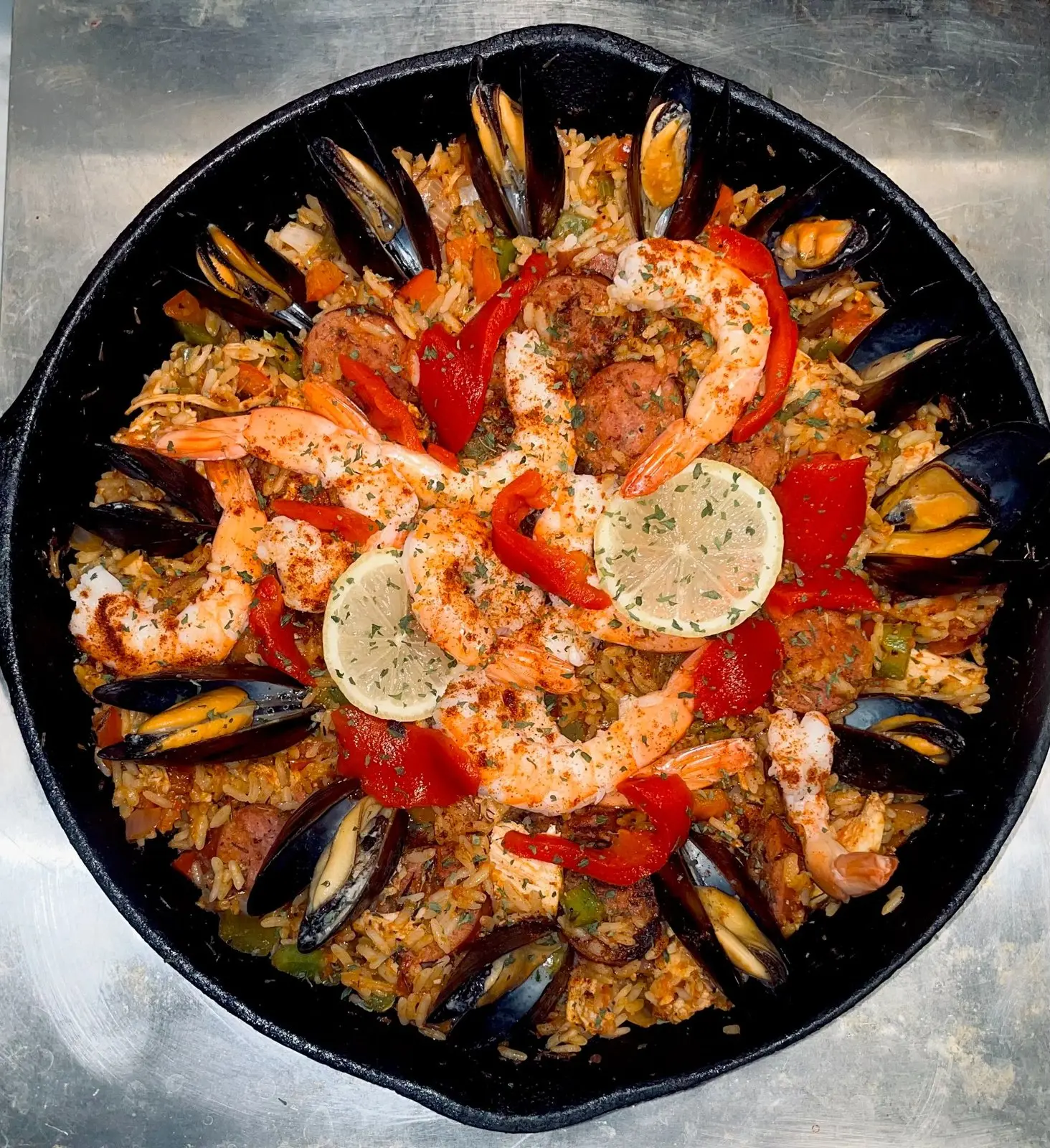
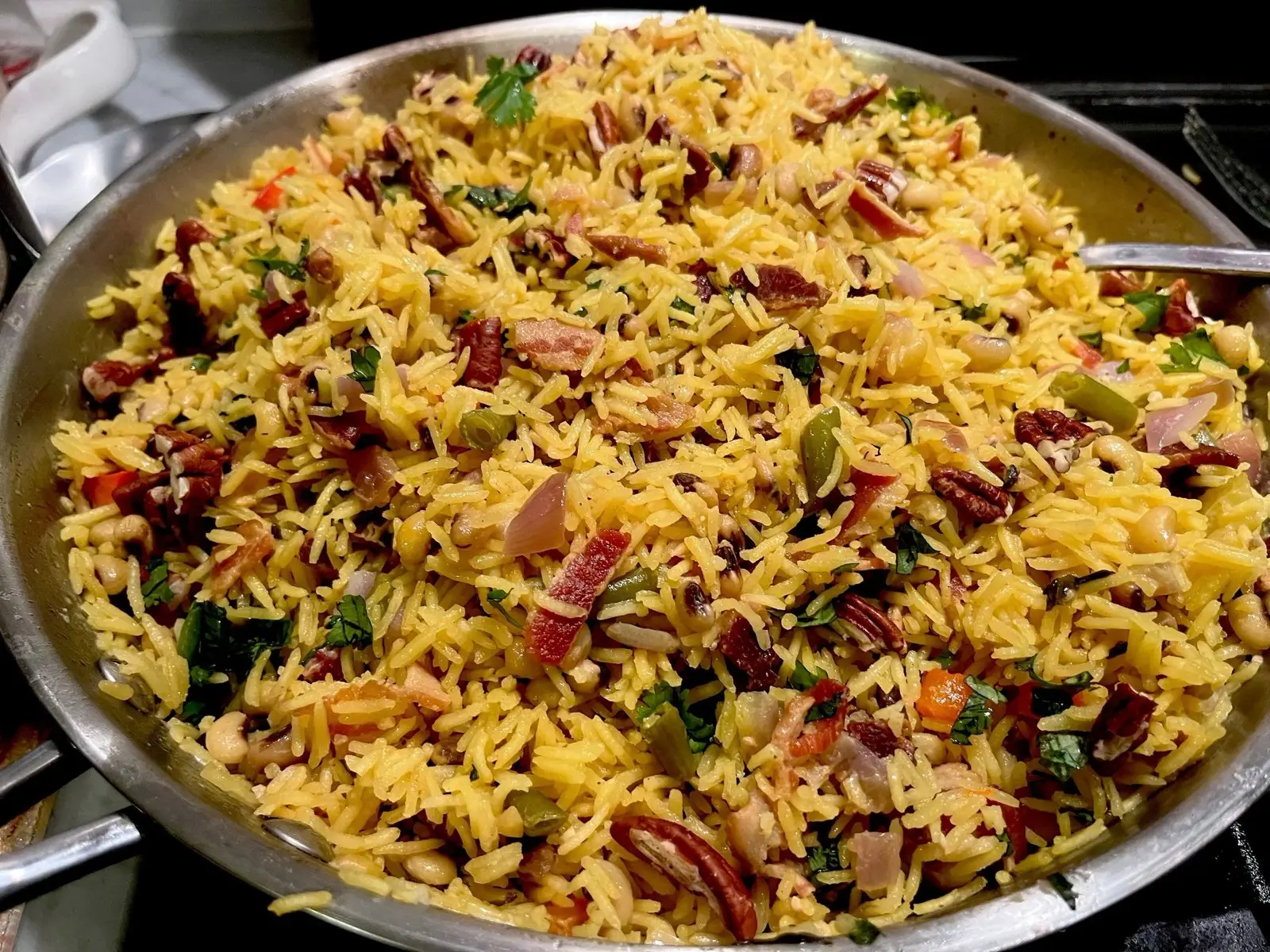
Carolina red rice, crab rice, Hoppin’ John and beans in many forms. This chapter also records my wider rice repertoire, including jambalaya and vegetarian paella.
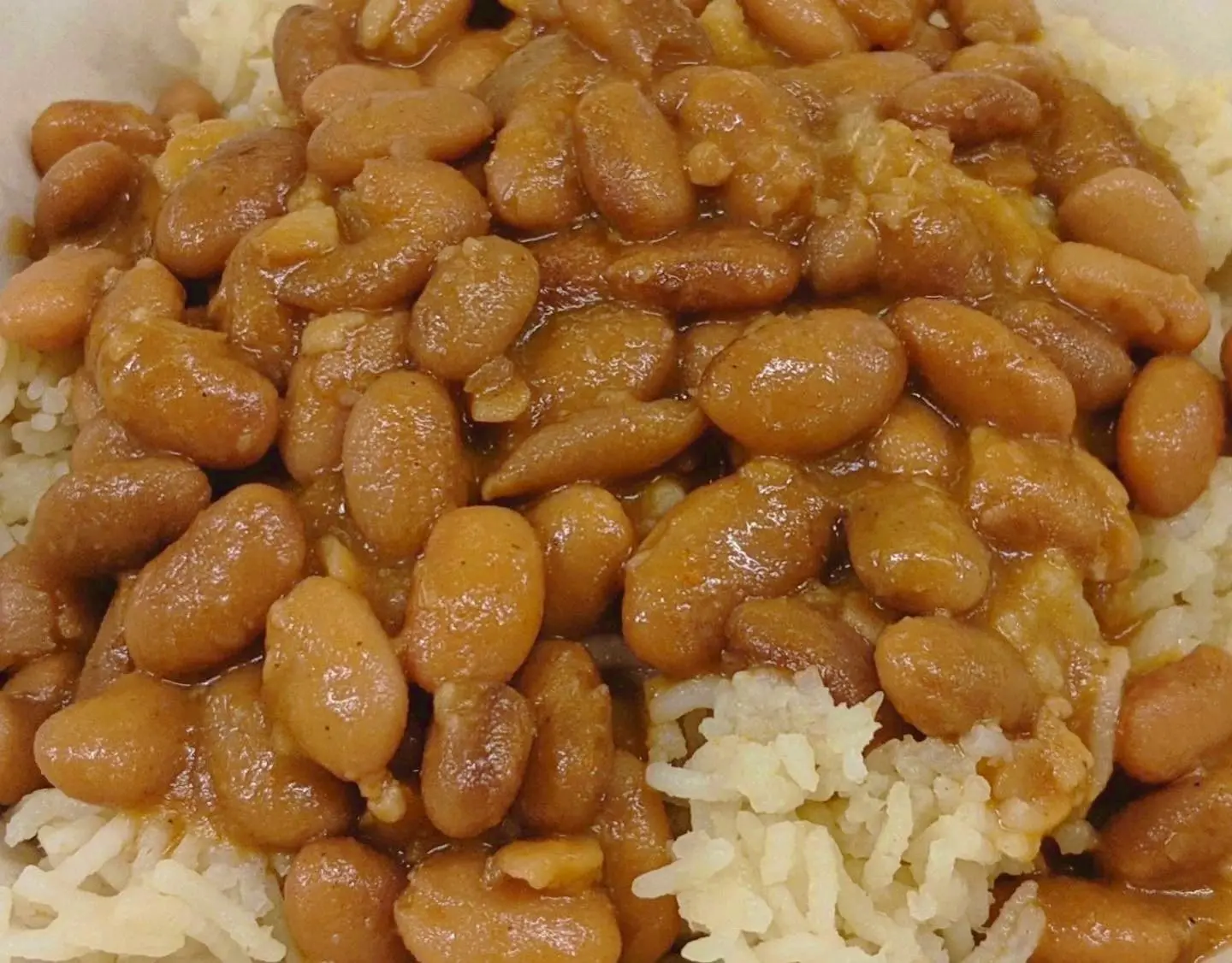
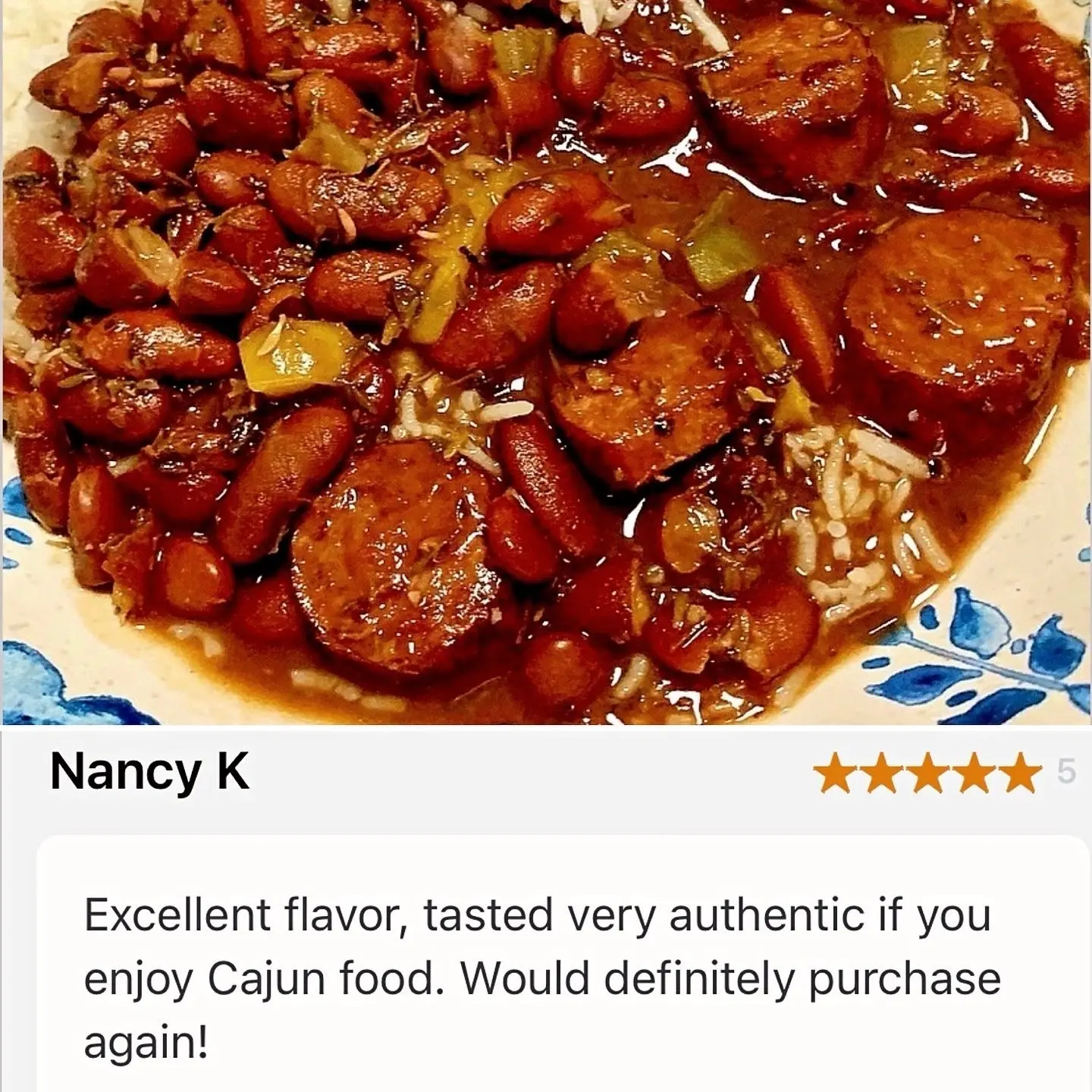
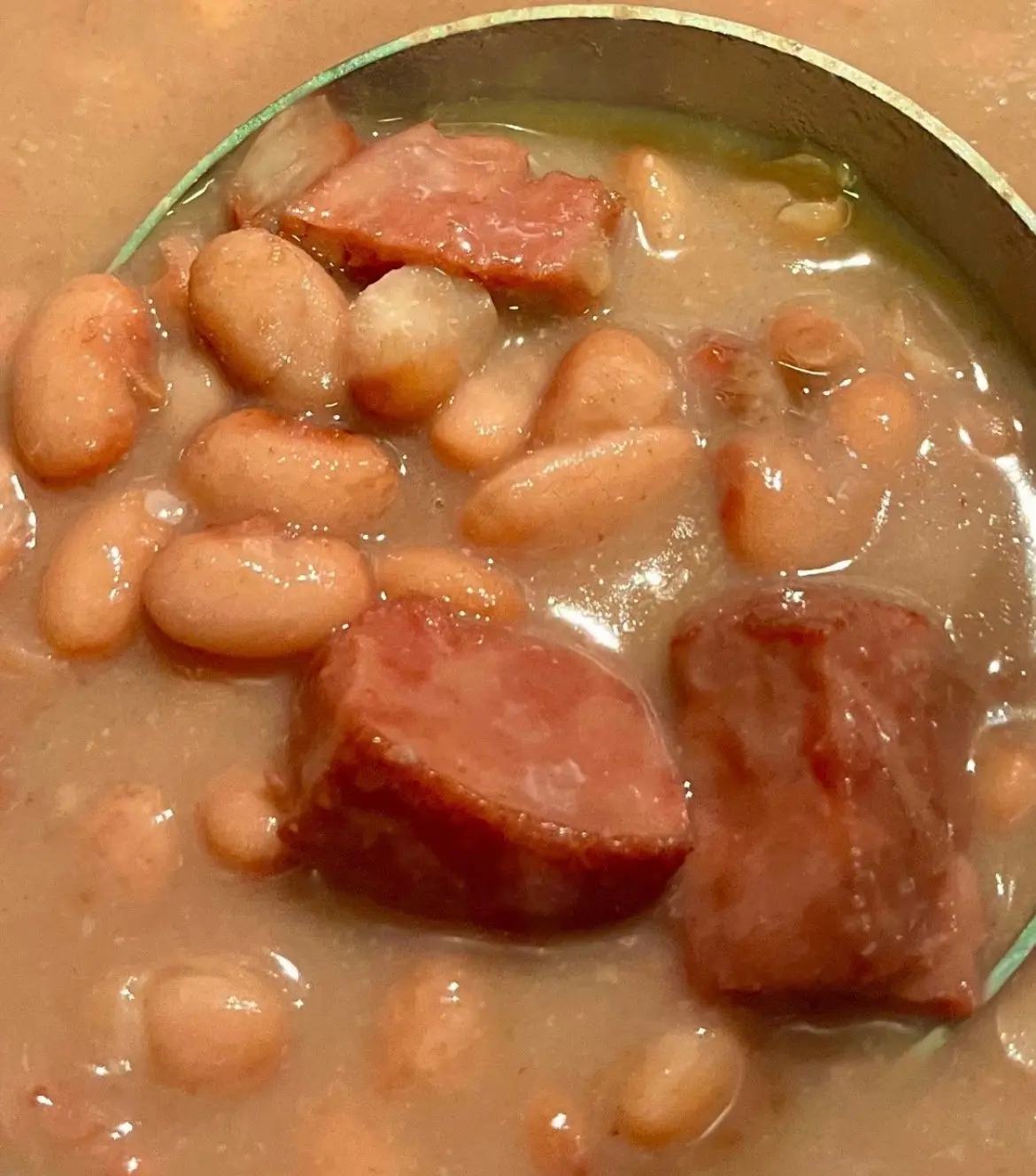
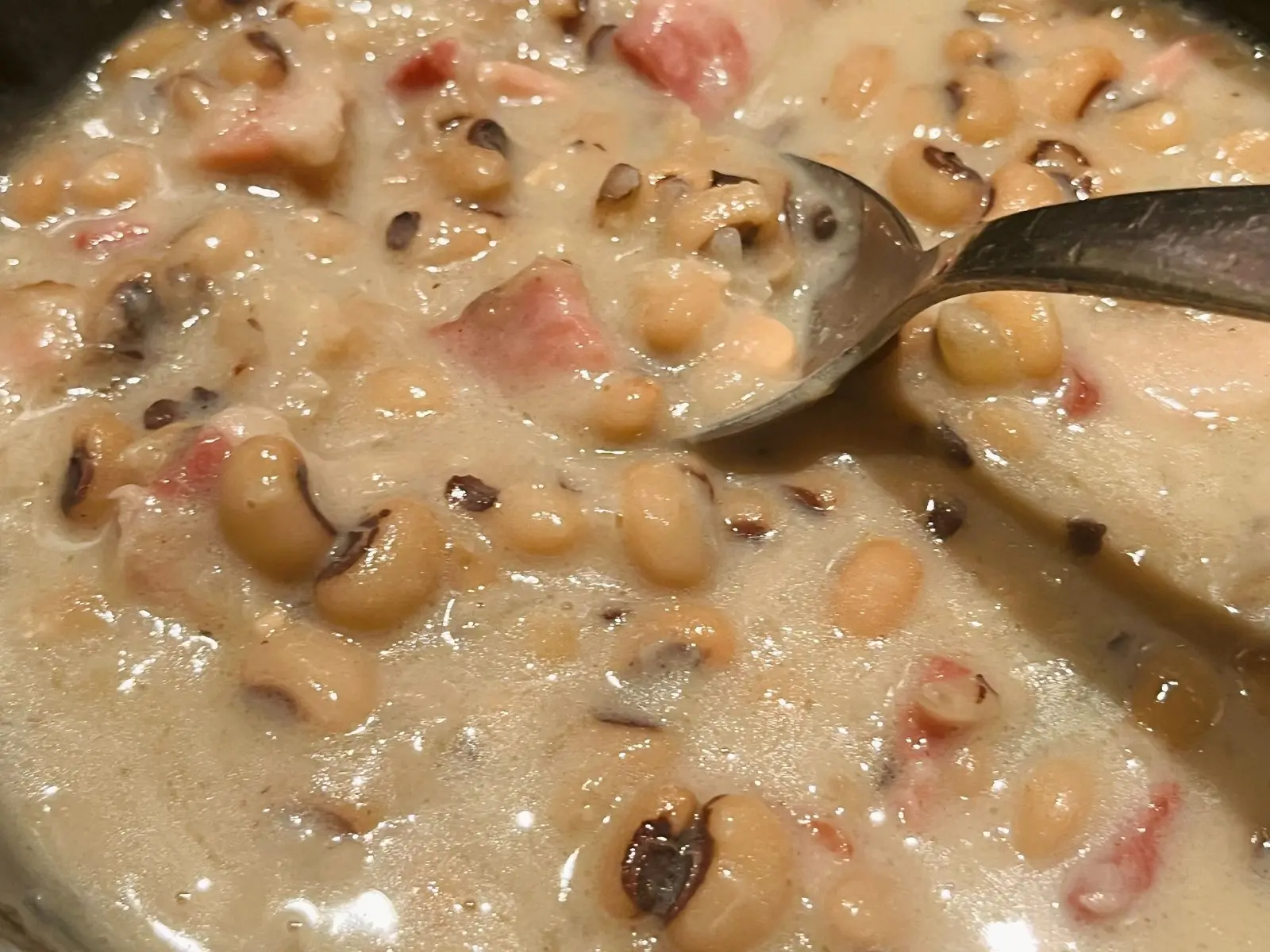
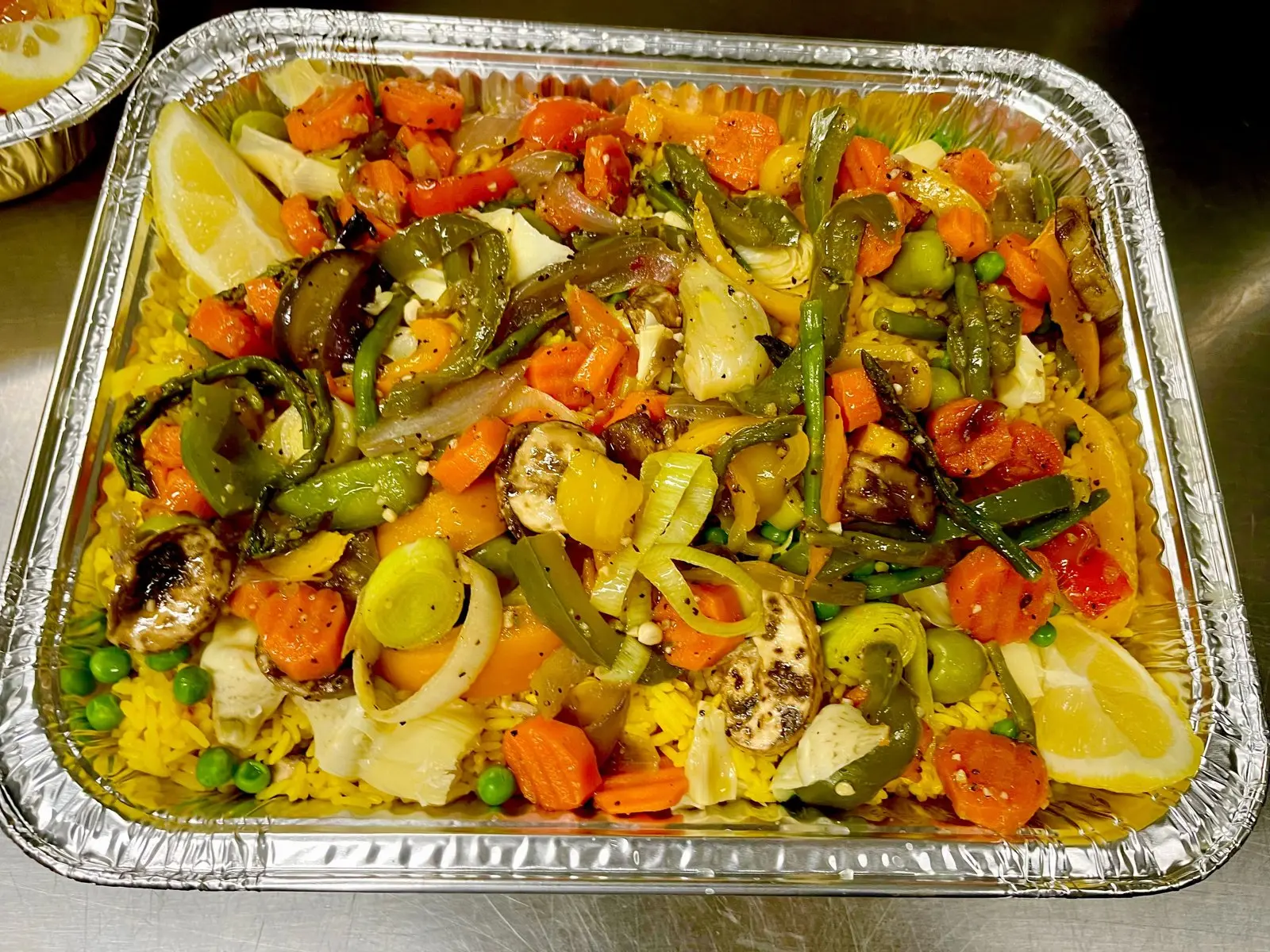
A vegetable-led rice dish from the wider TARA-PERI repertoire.
★★★★★
“Tara’s vegetarian paella exceeded every expectation.”Read on Google ↗
04 / The archive
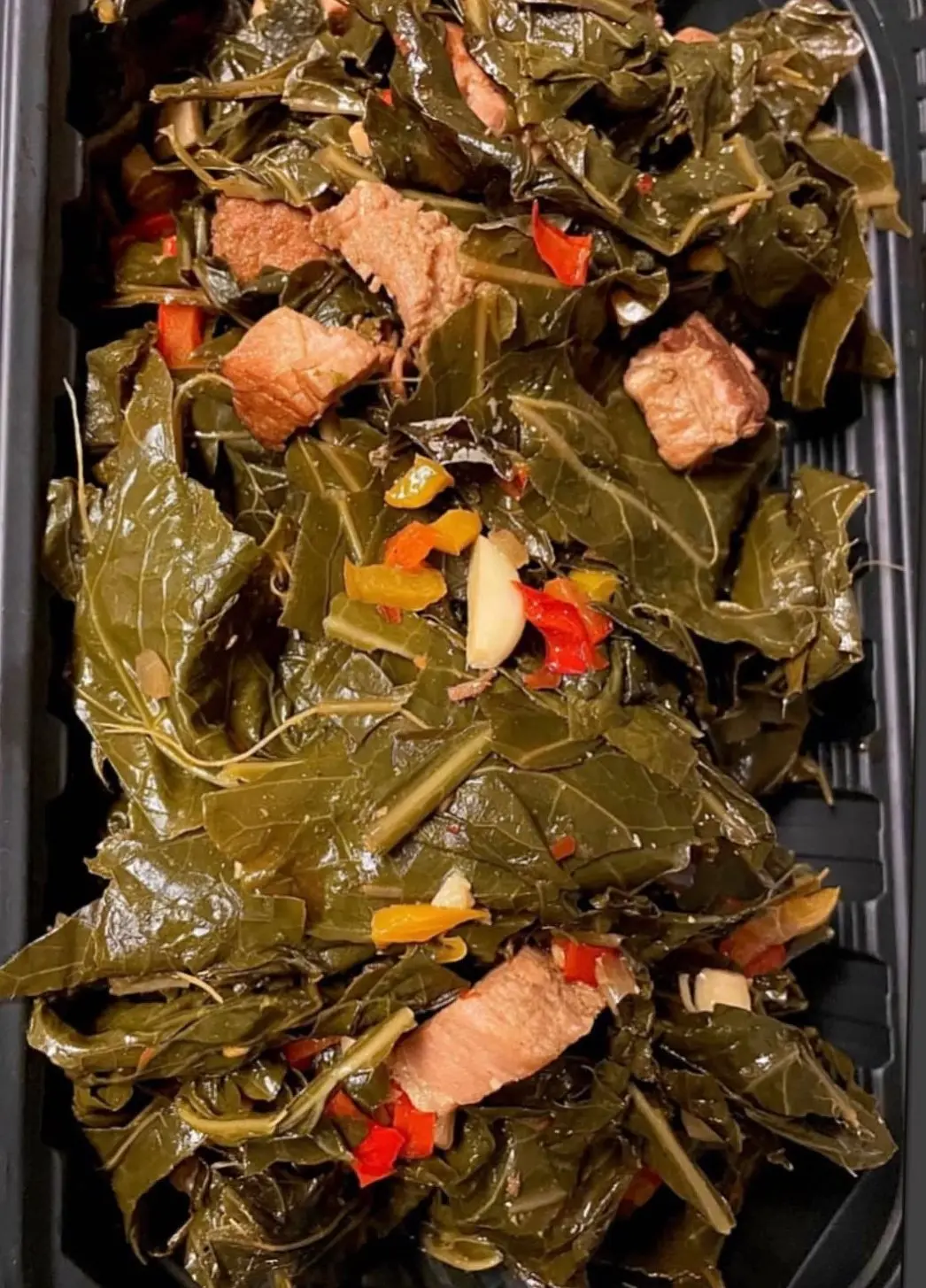
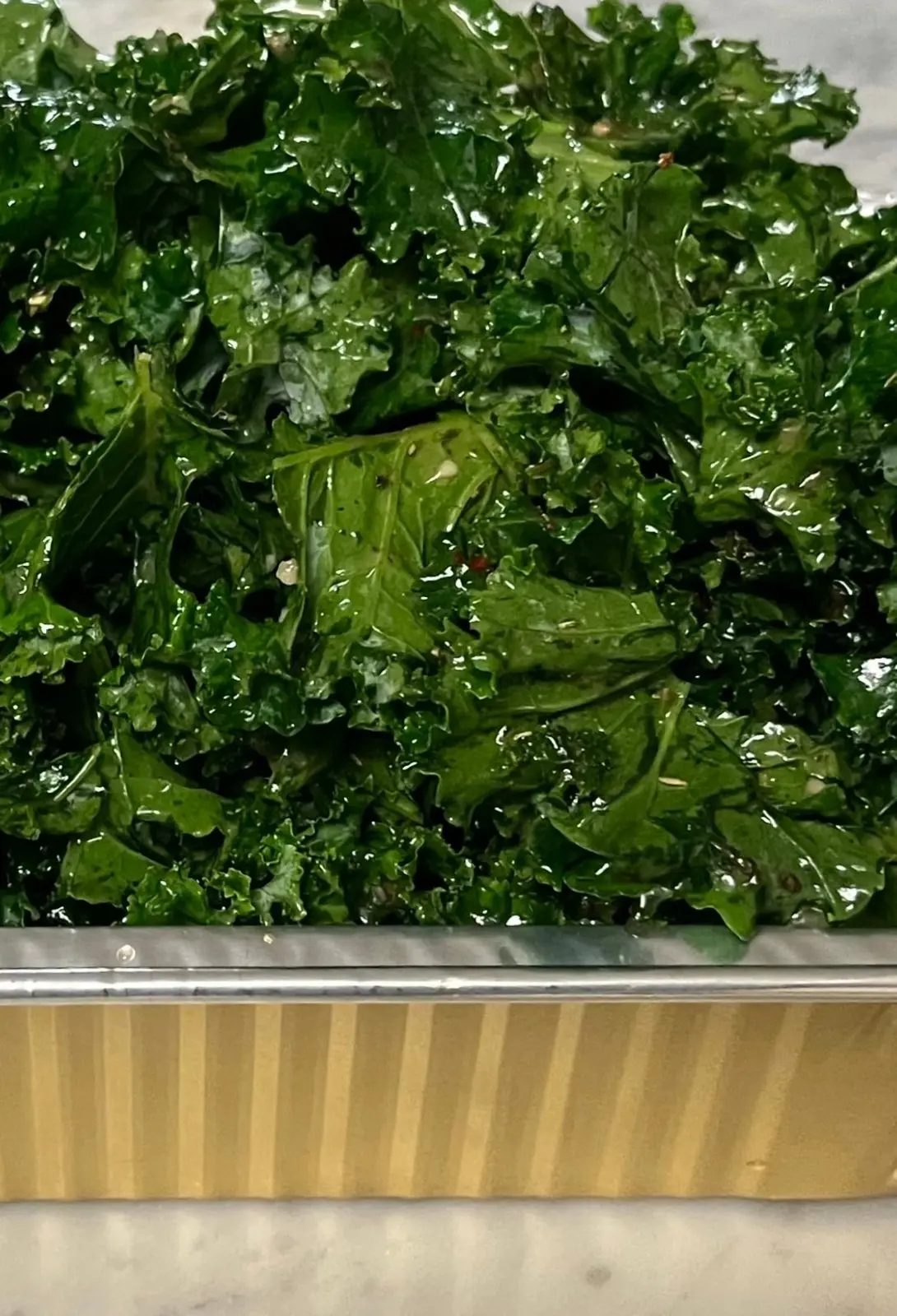
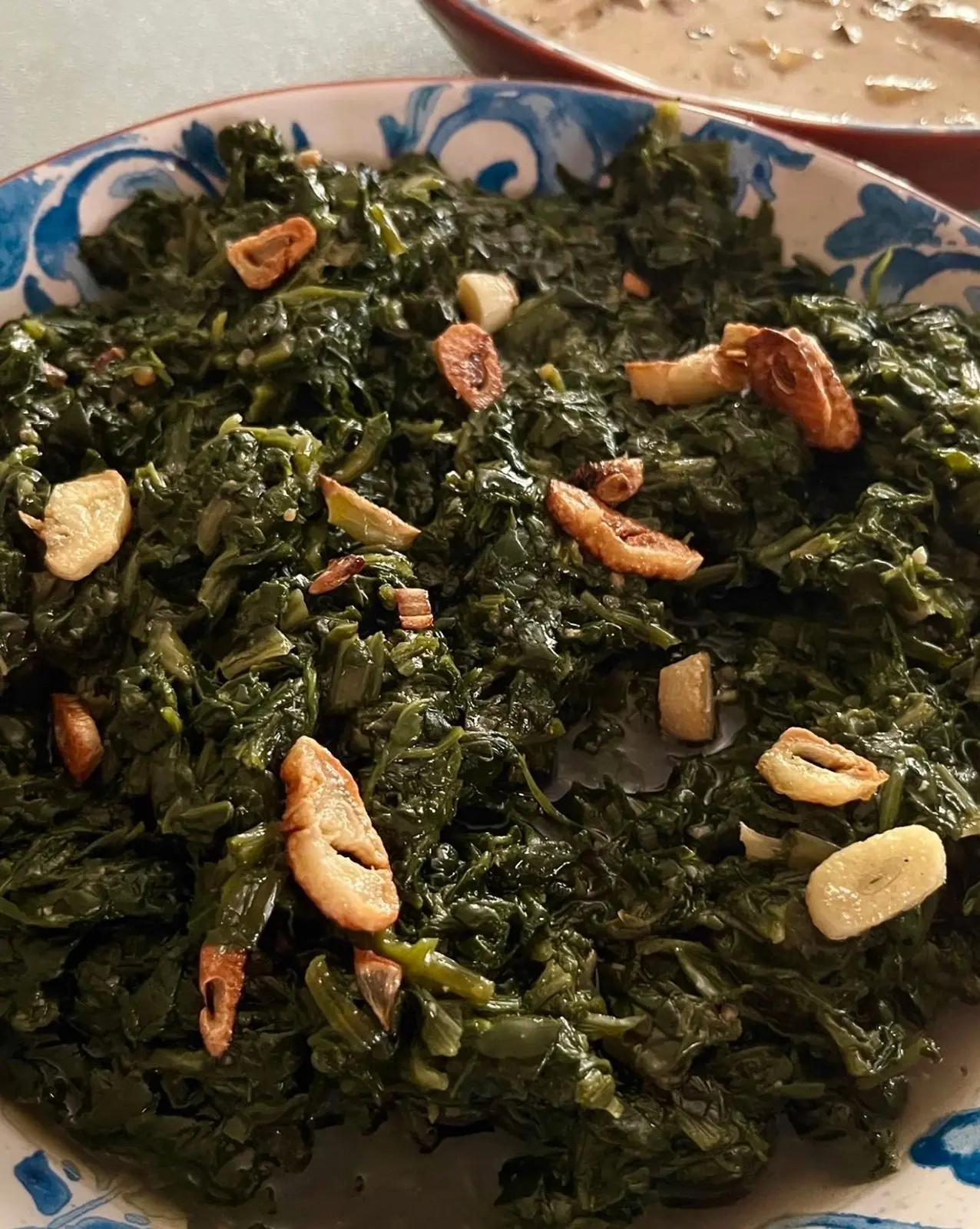
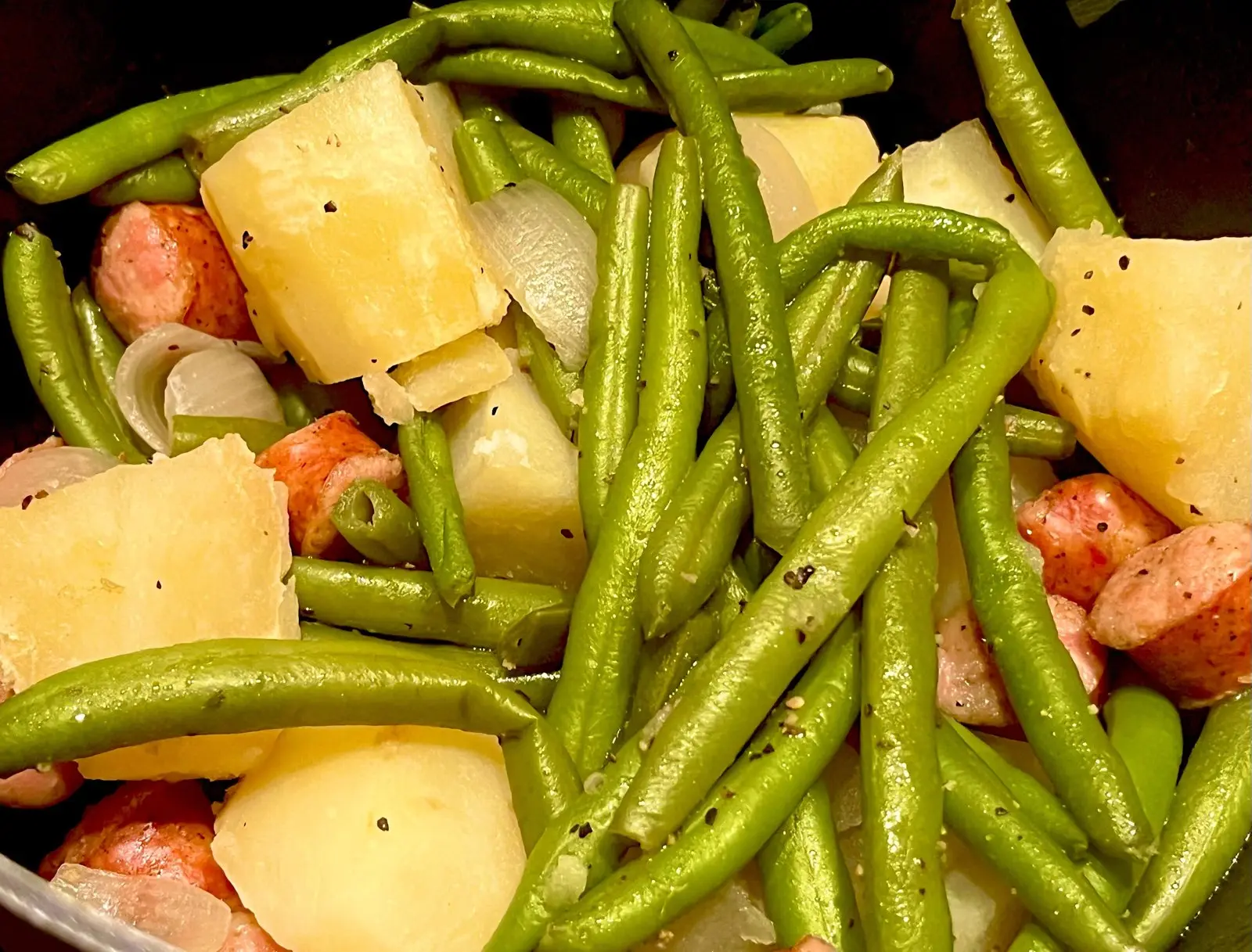
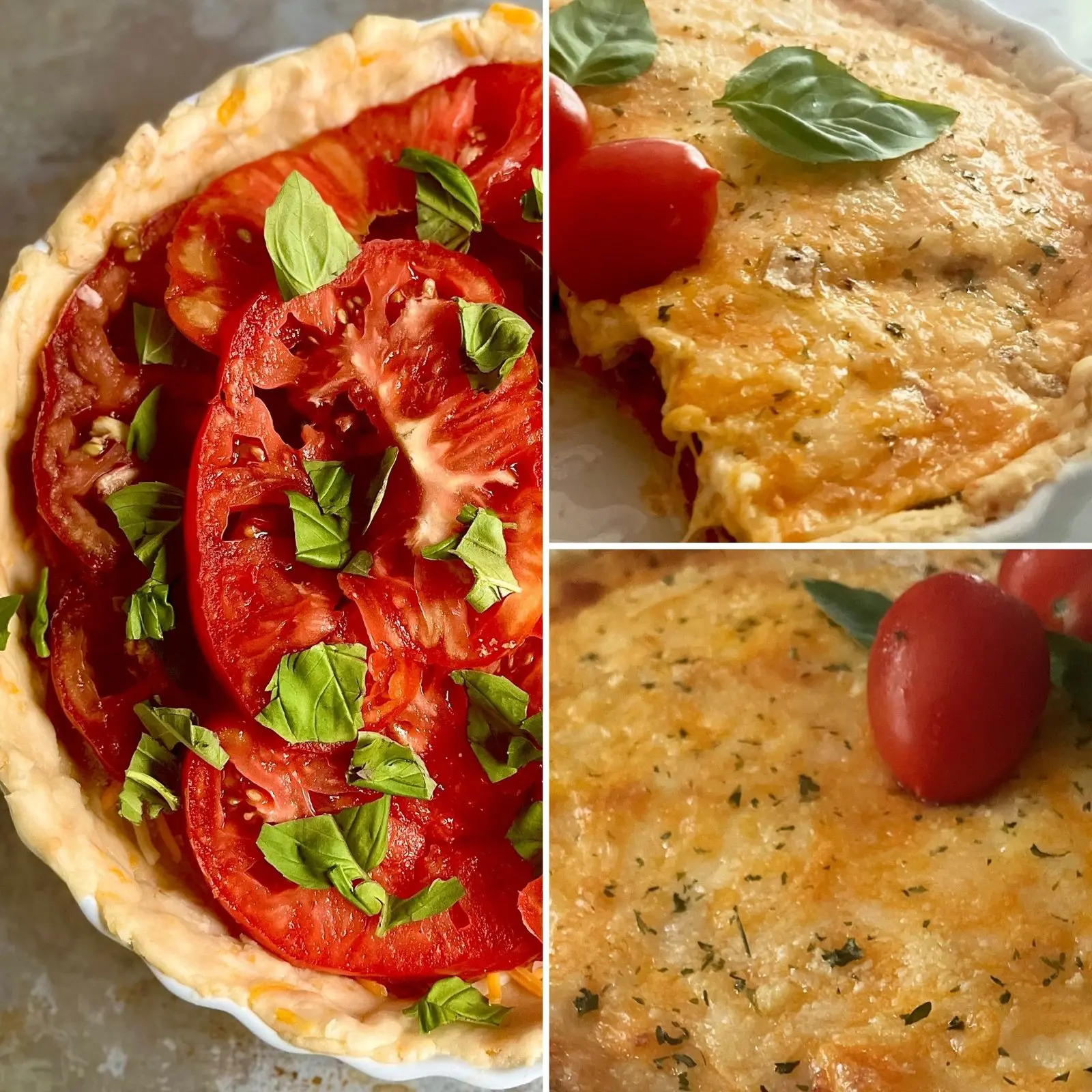
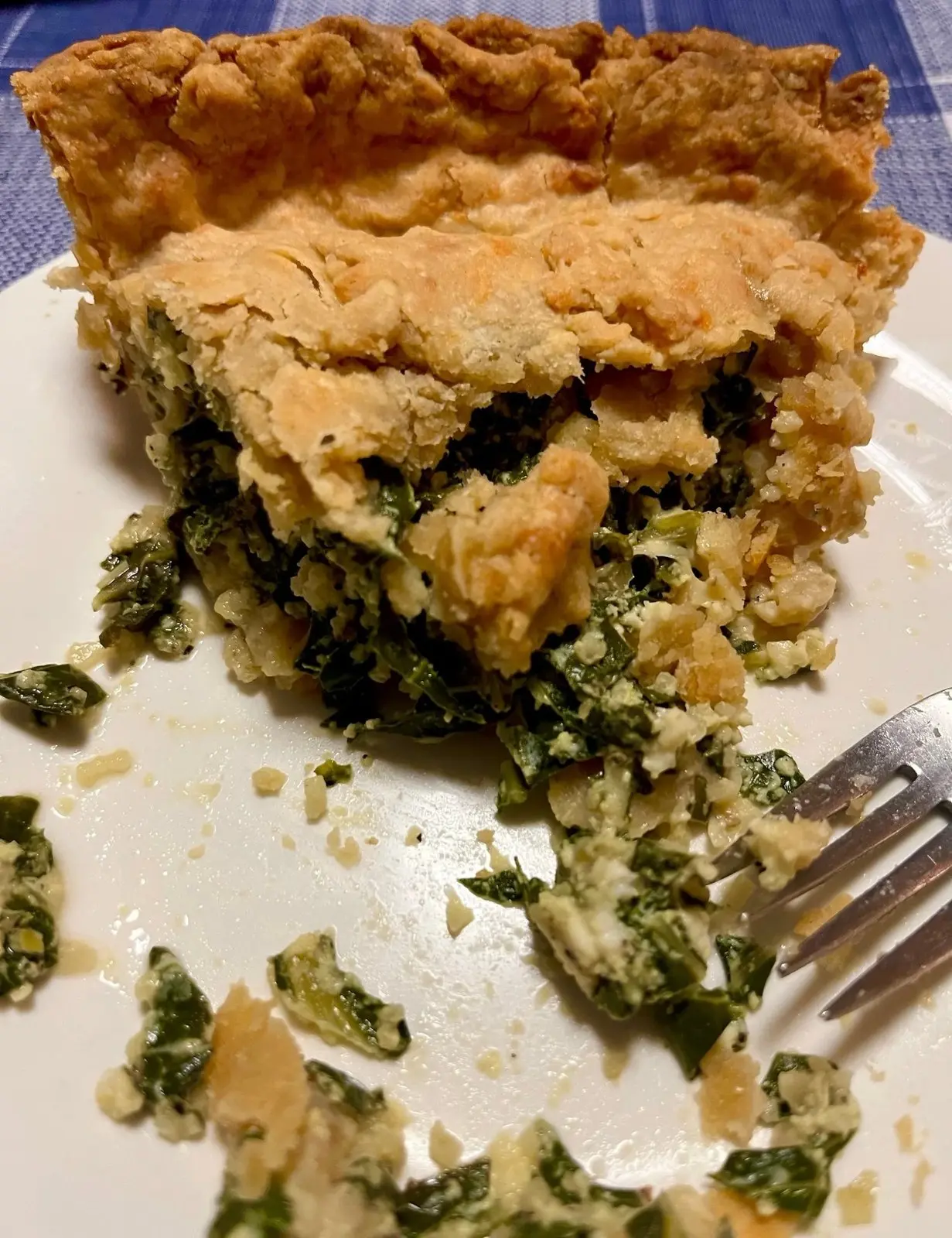
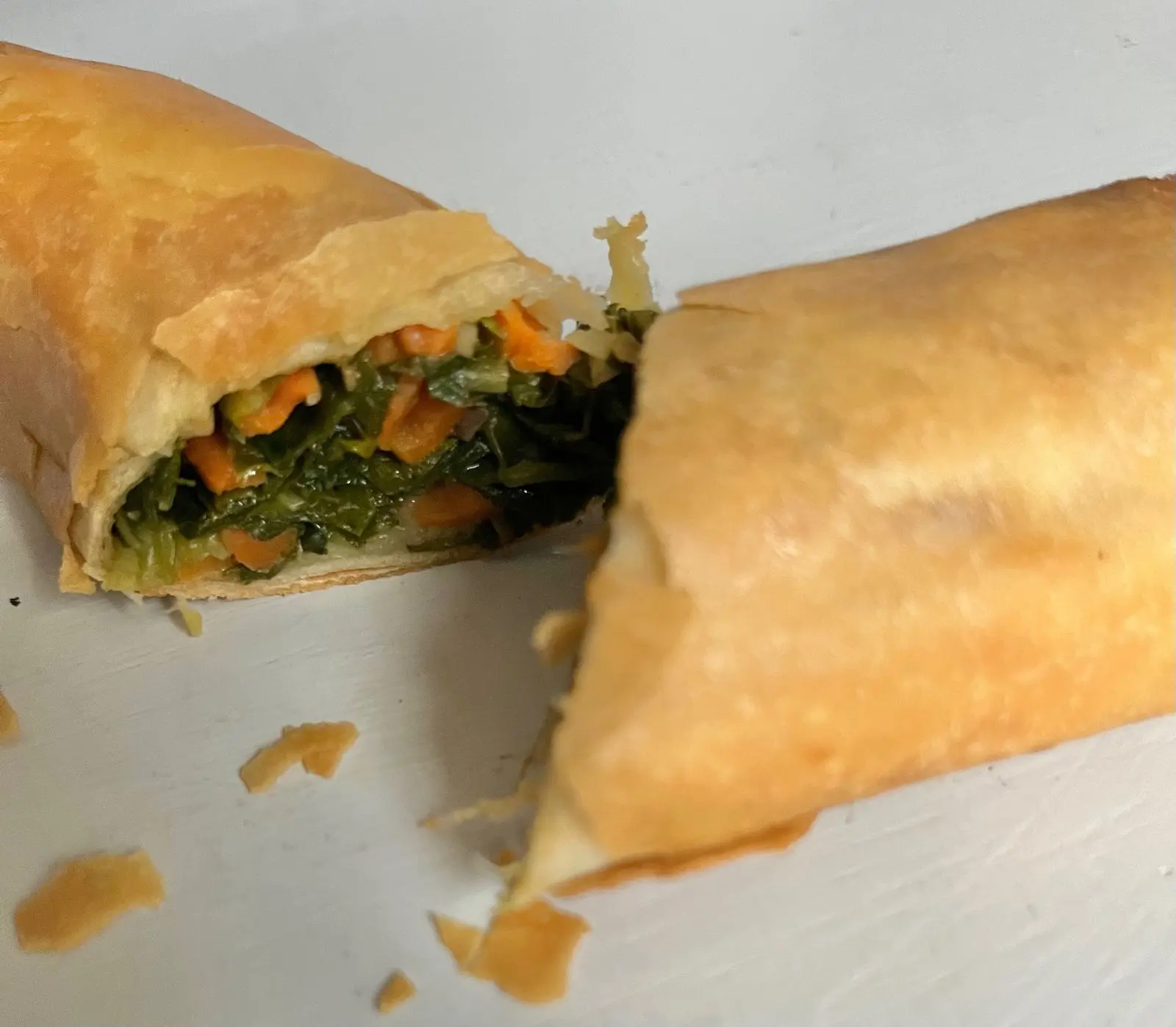
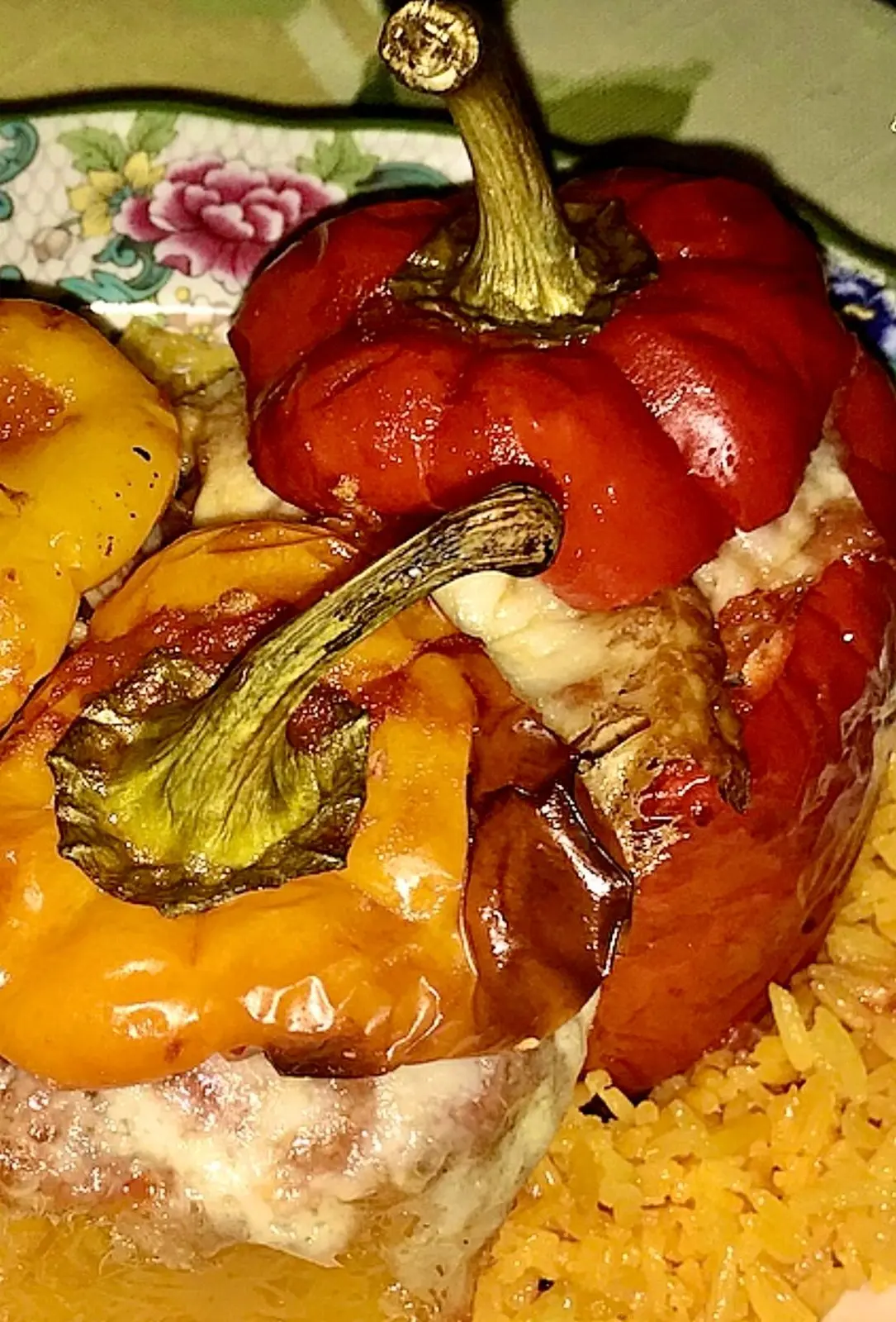
Leafy greens, string beans, cabbage and tomatoes, cooked into distinct preparations. Pies and filled vegetables sit beside dishes that let the garden take the lead.
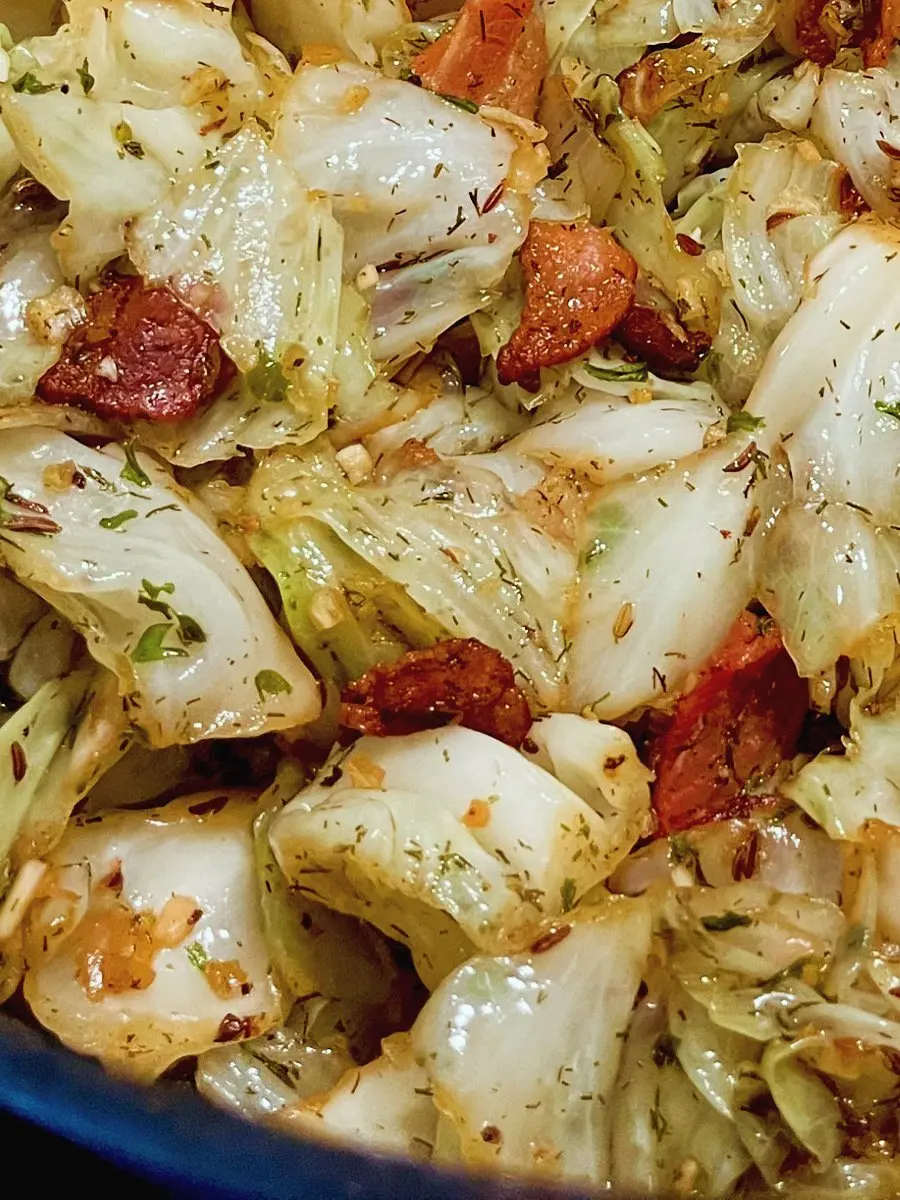
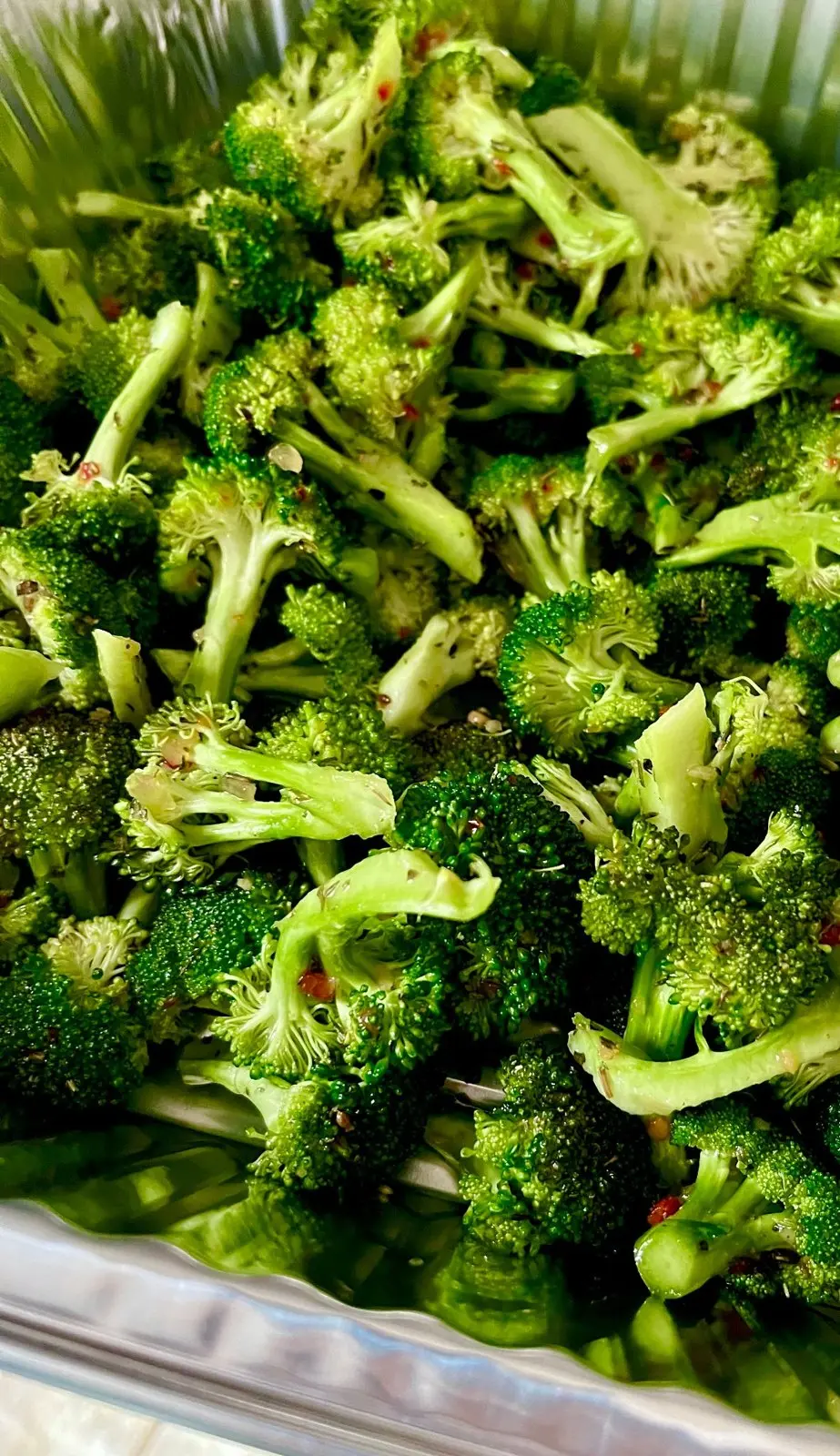
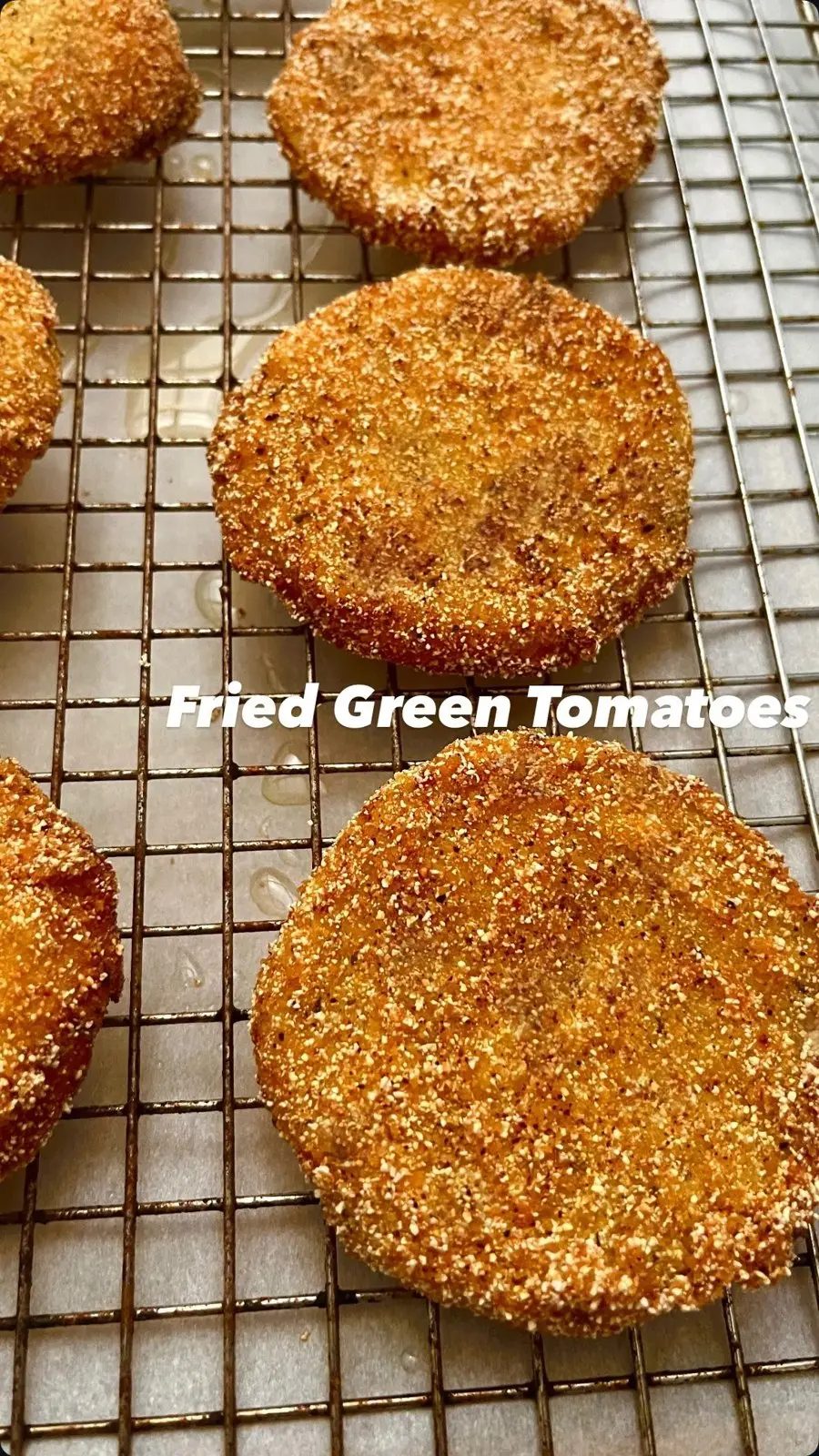
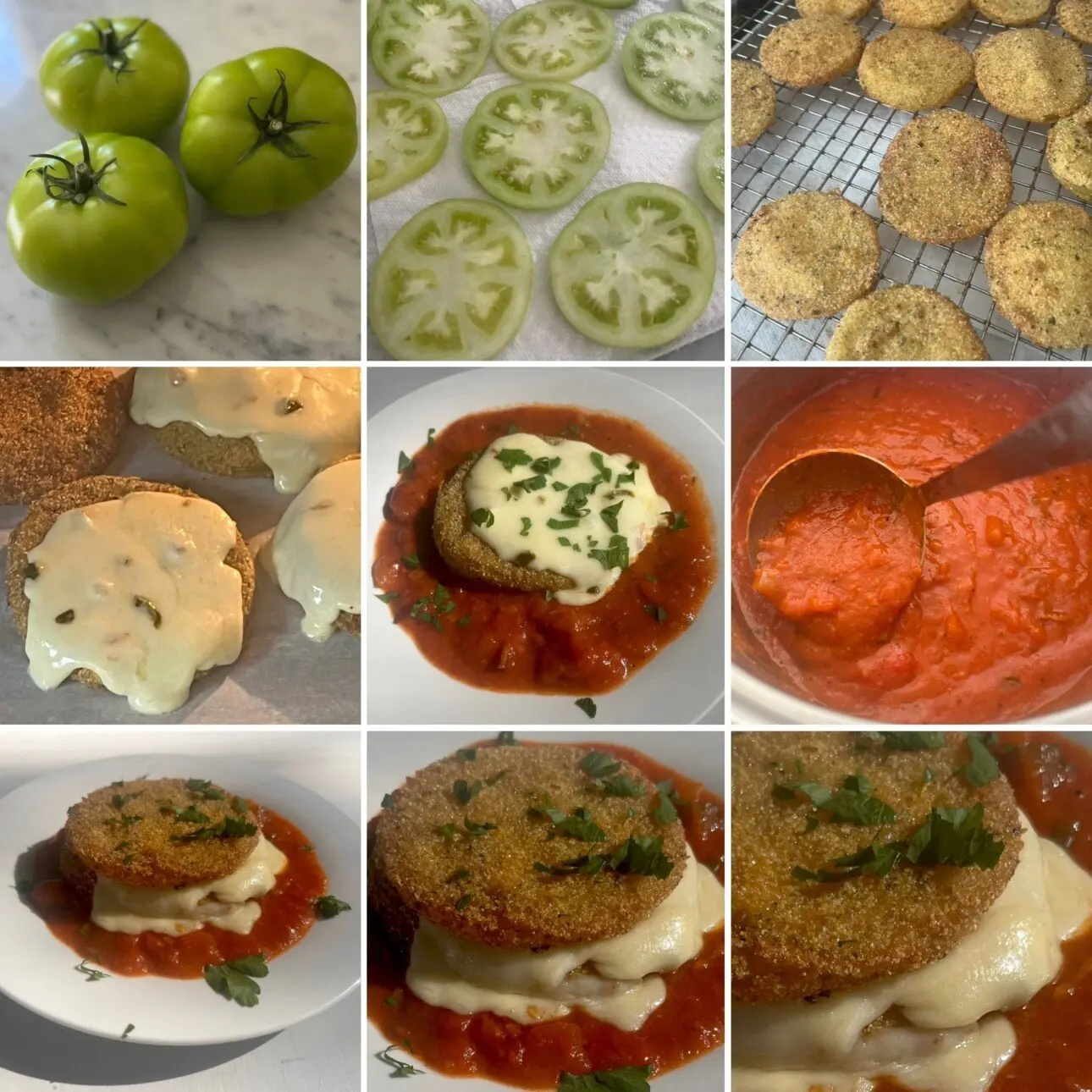
05 / The archive
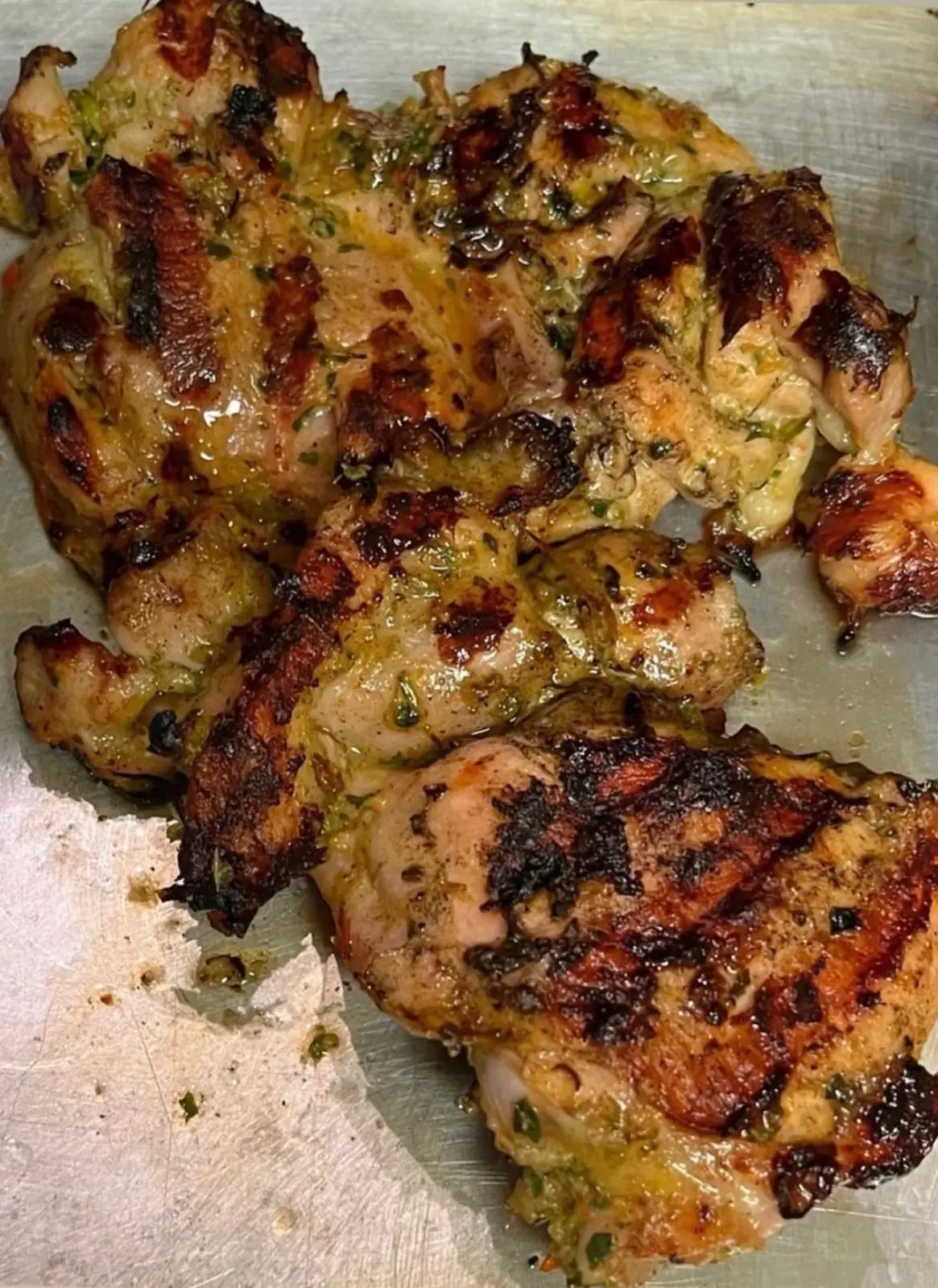
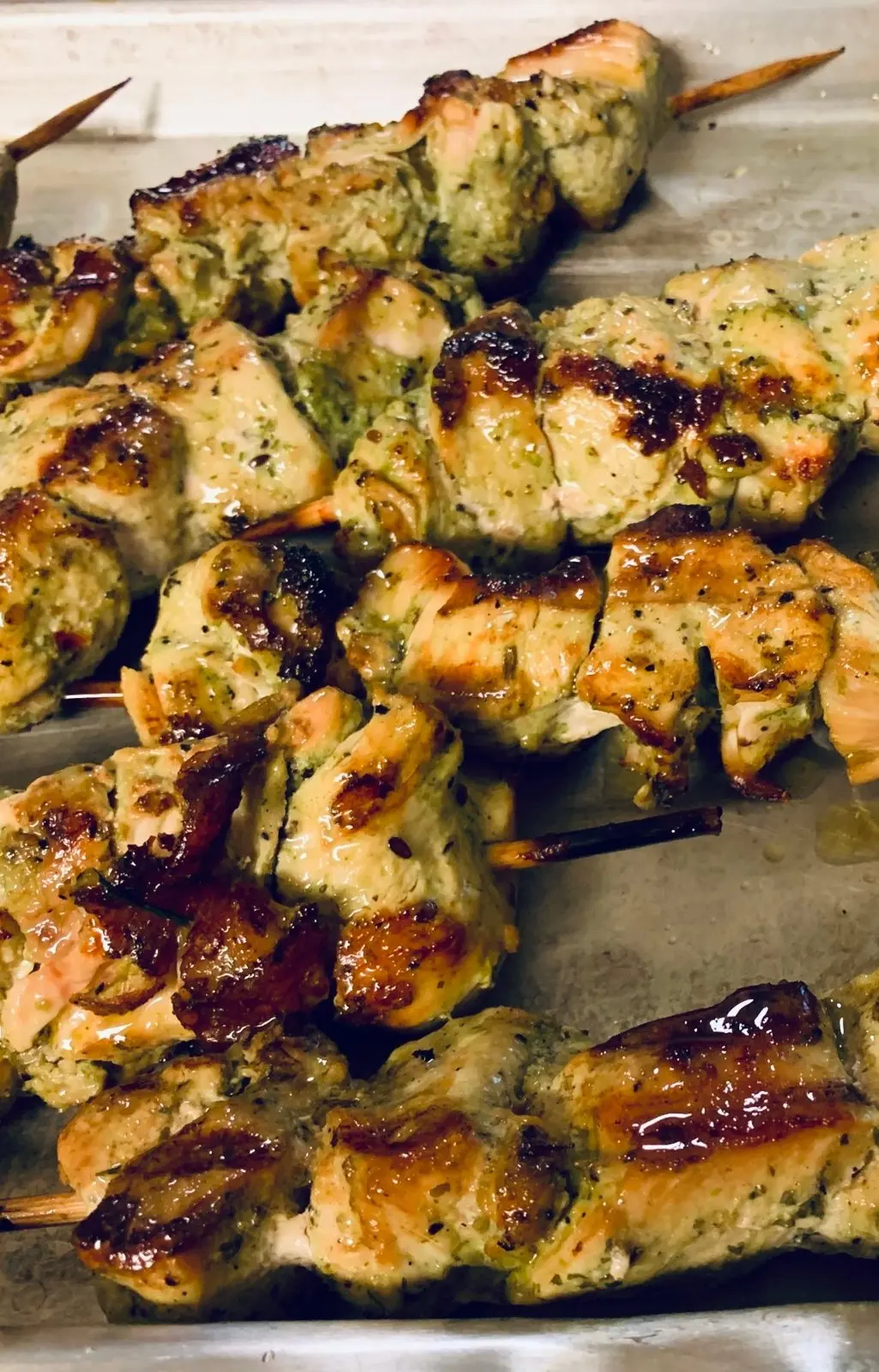
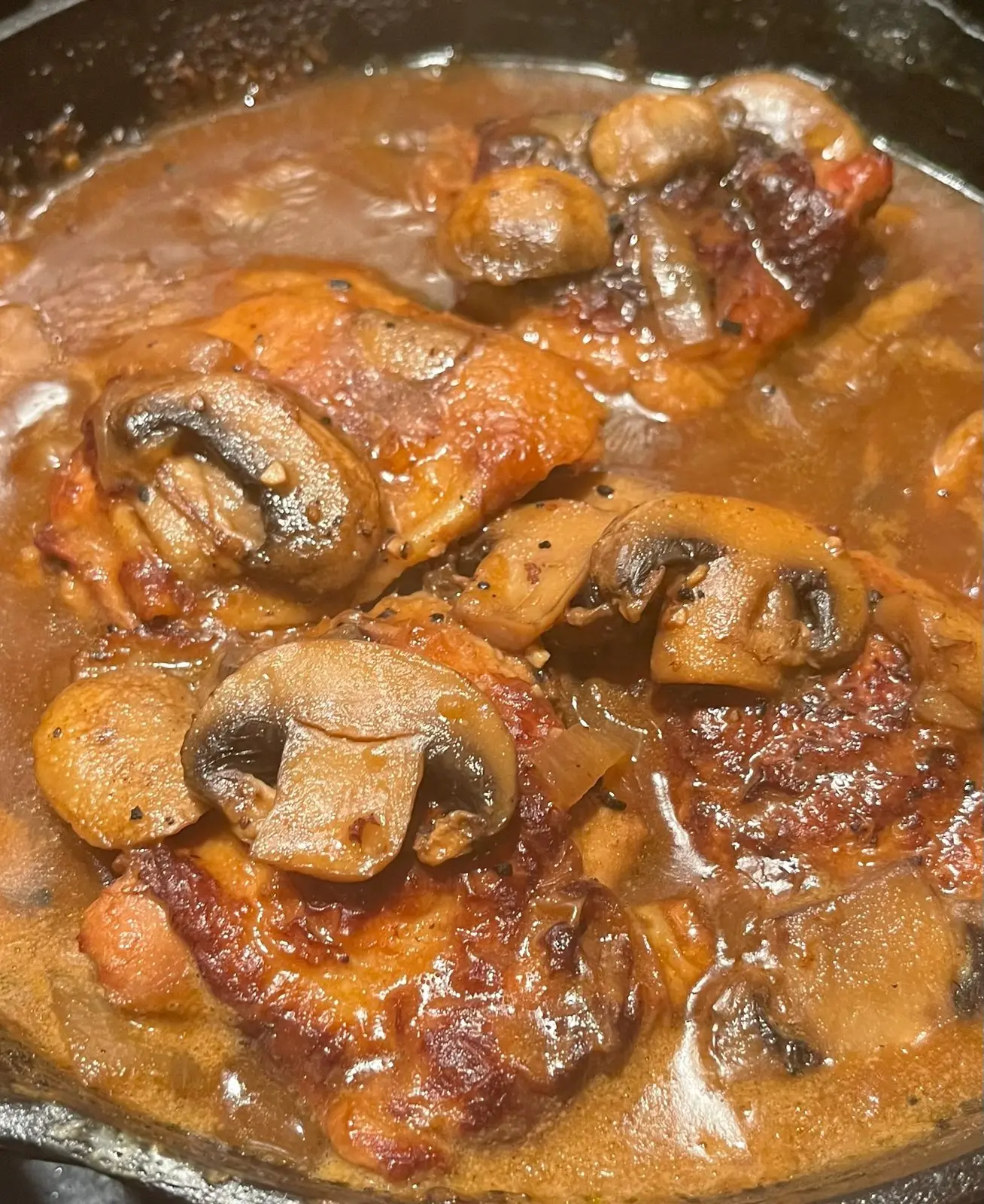
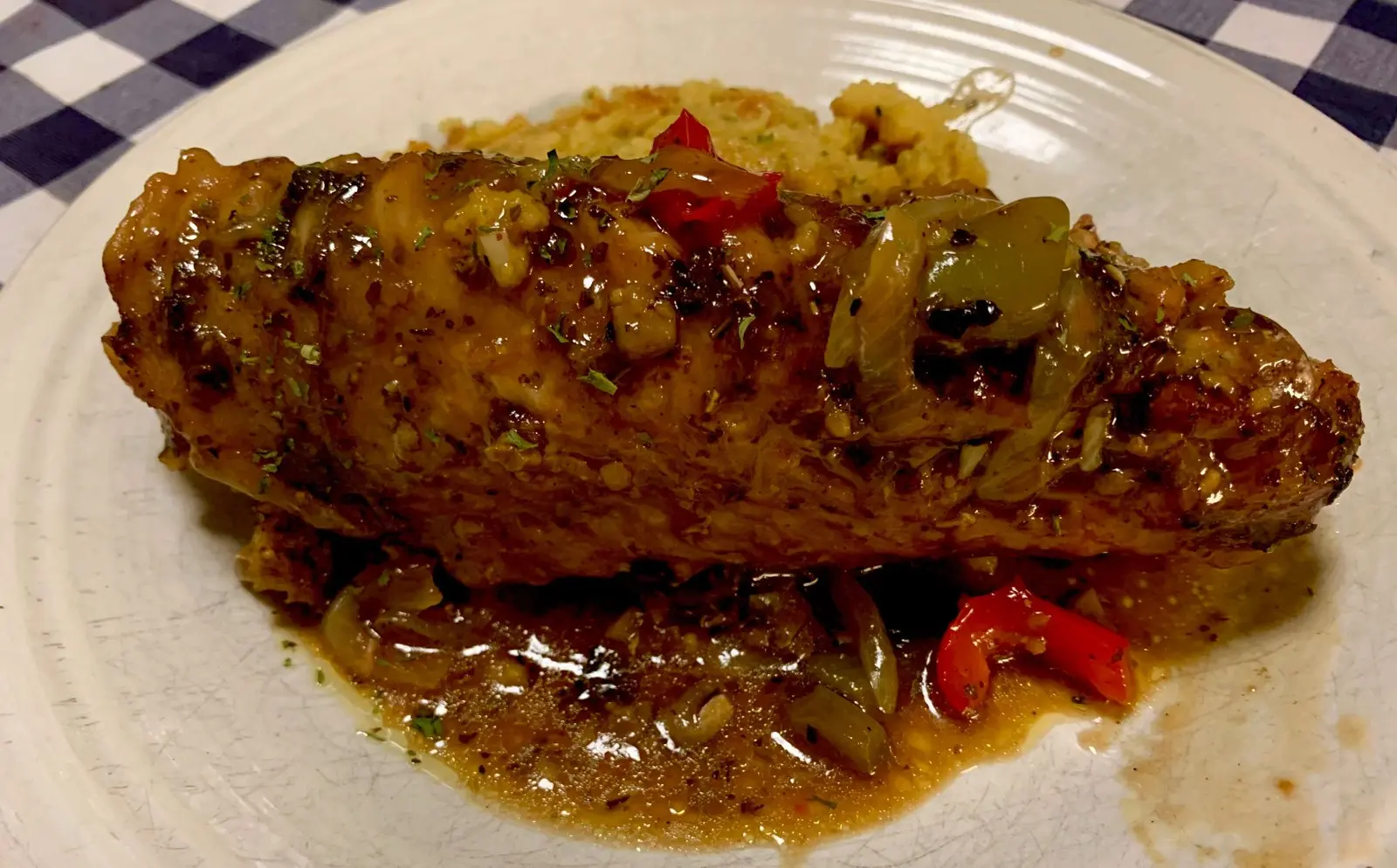
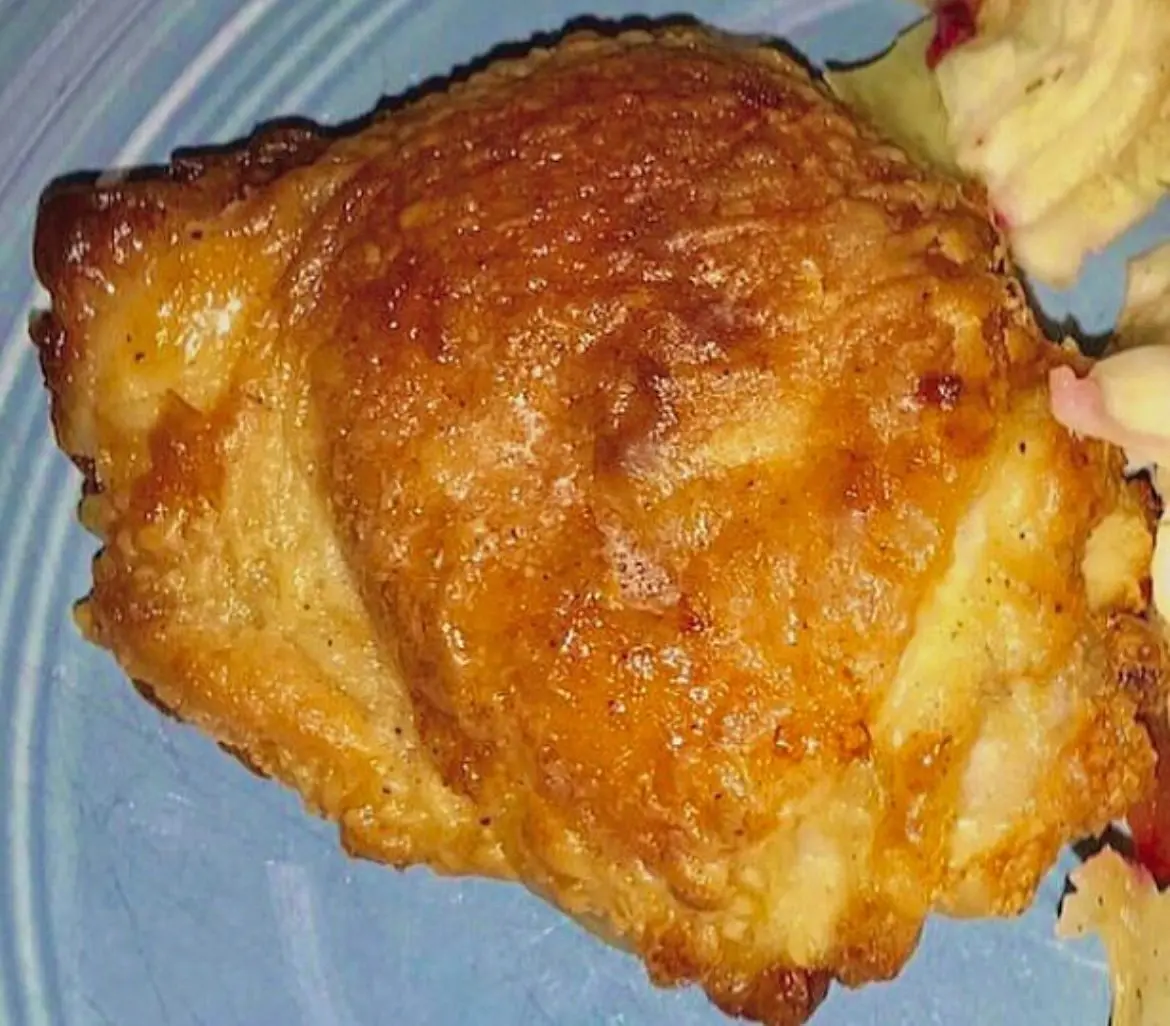
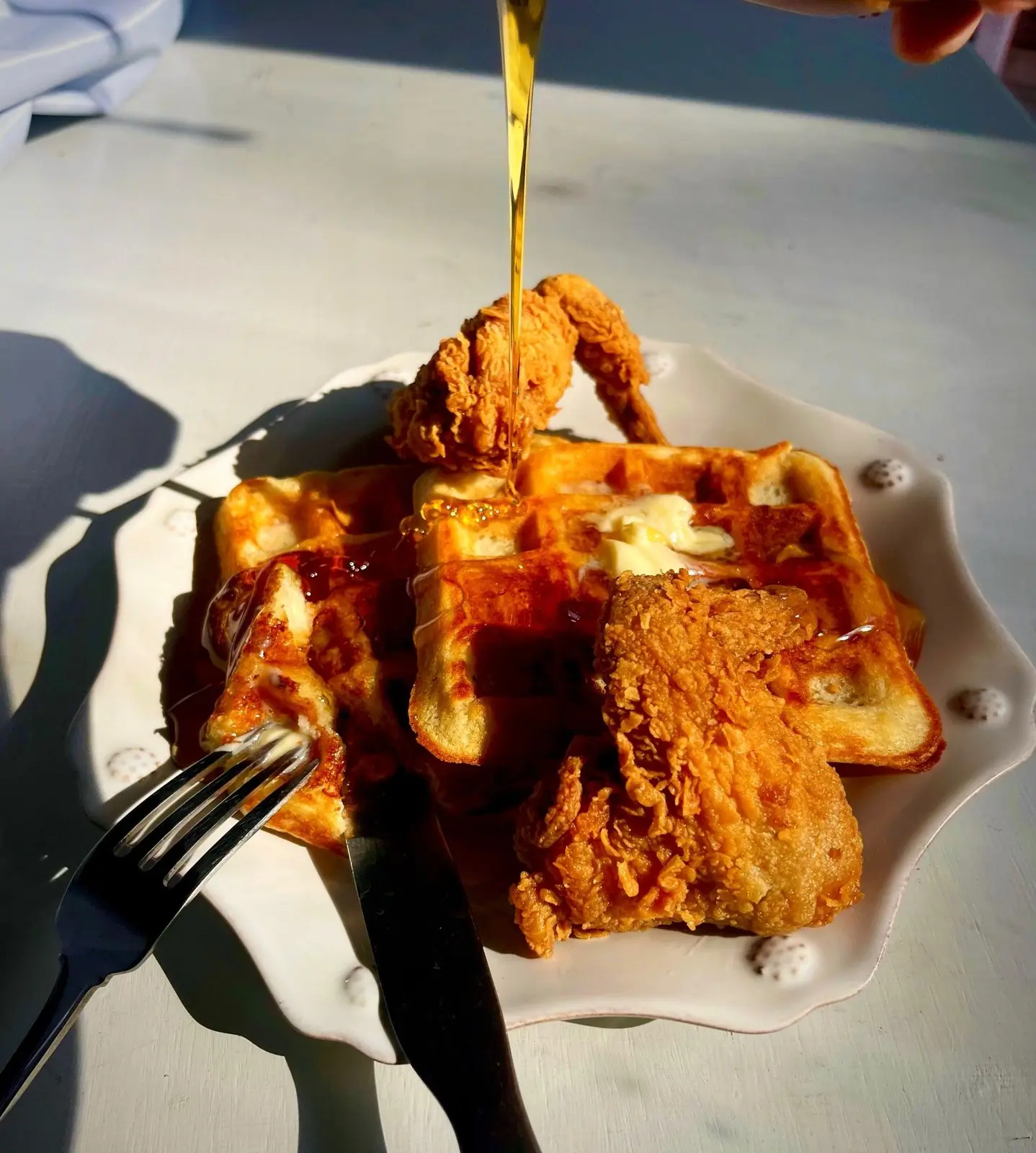
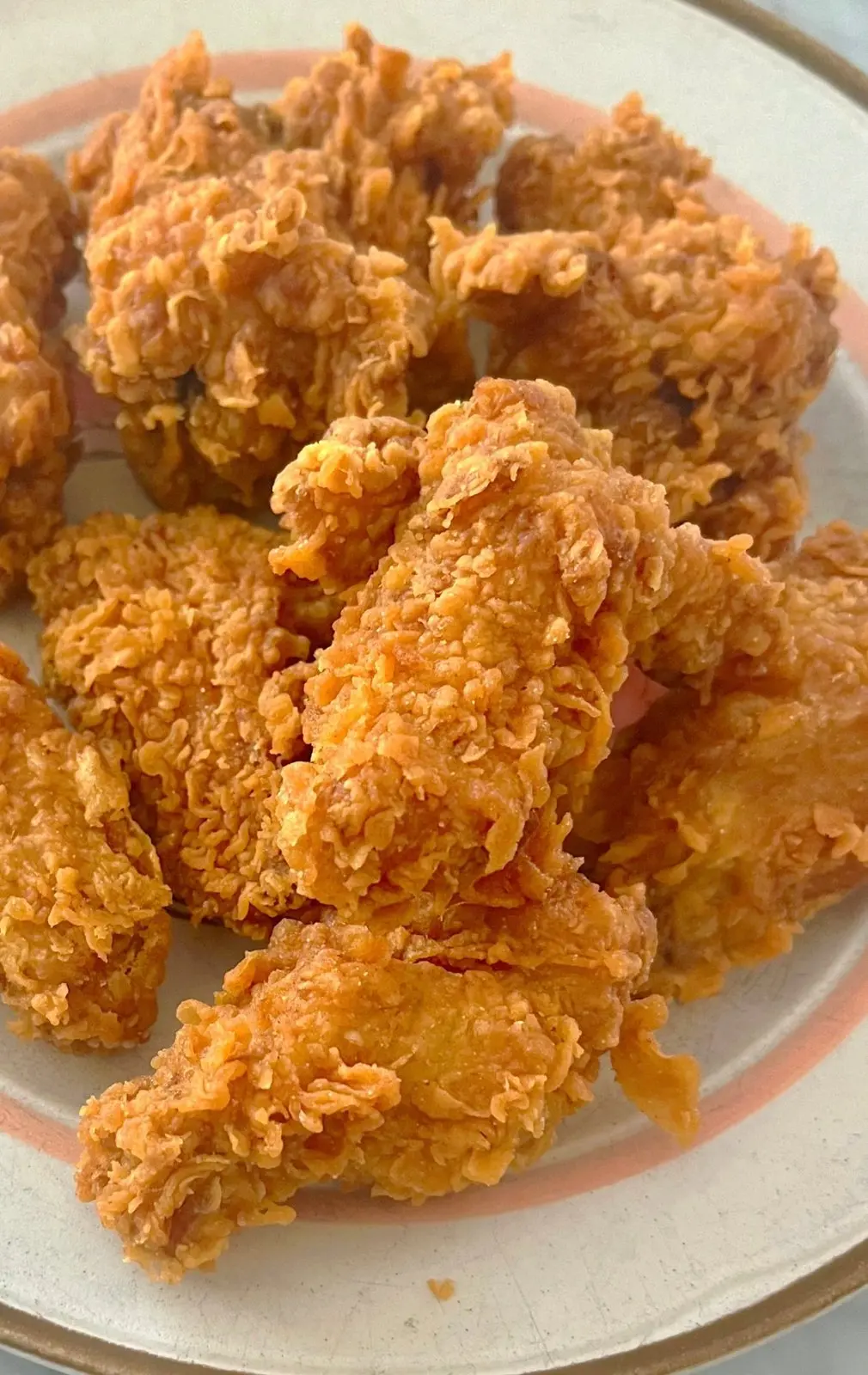
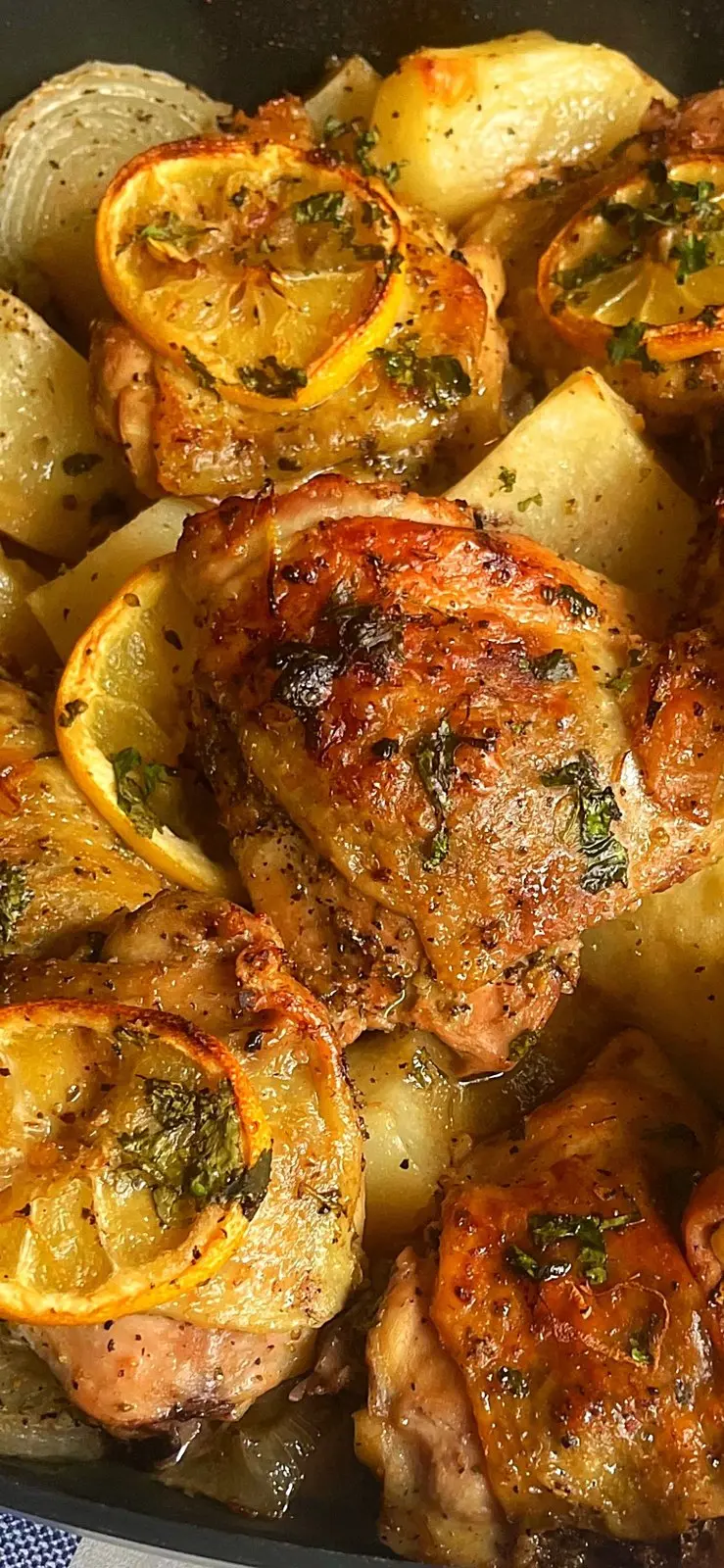
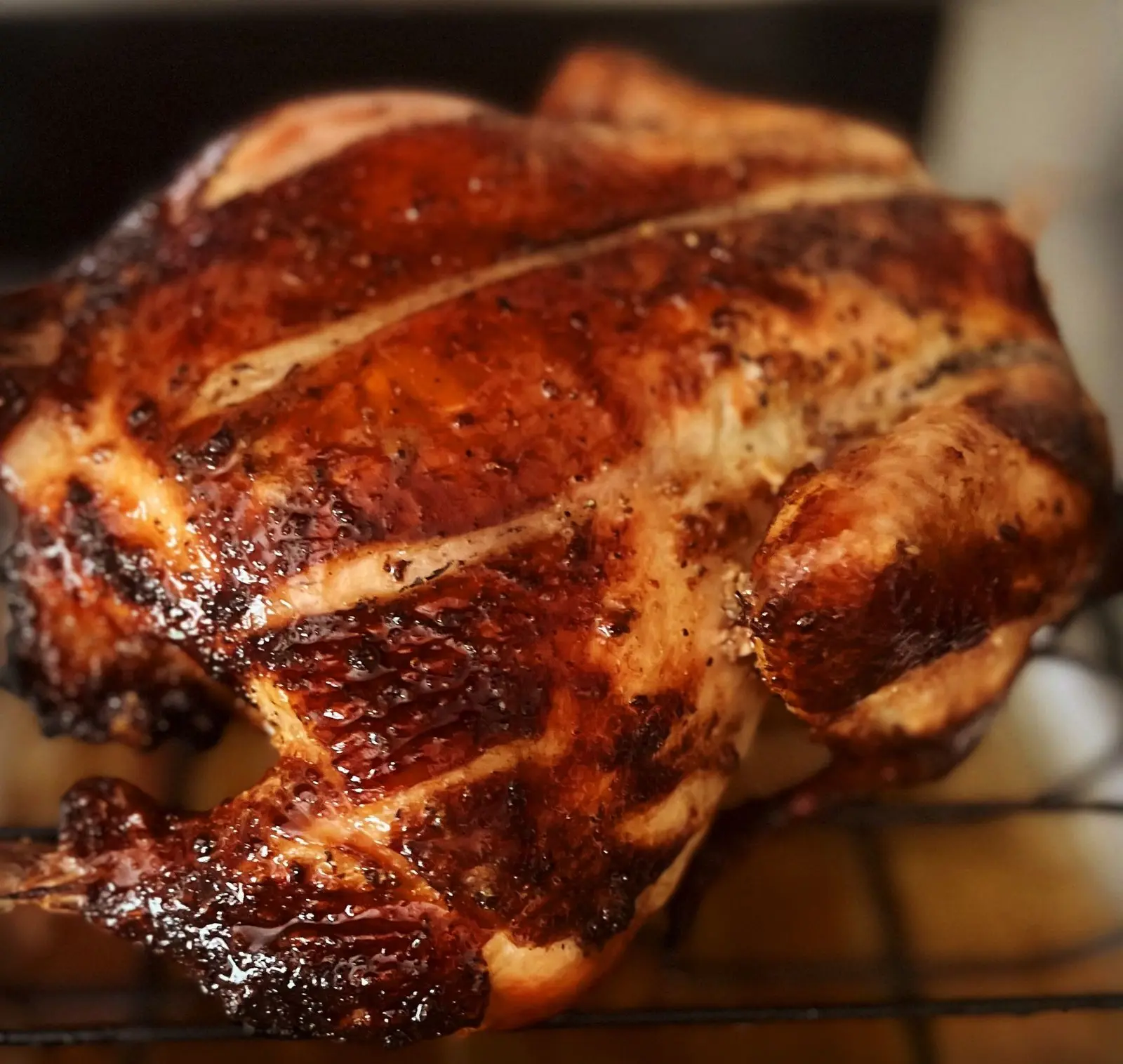
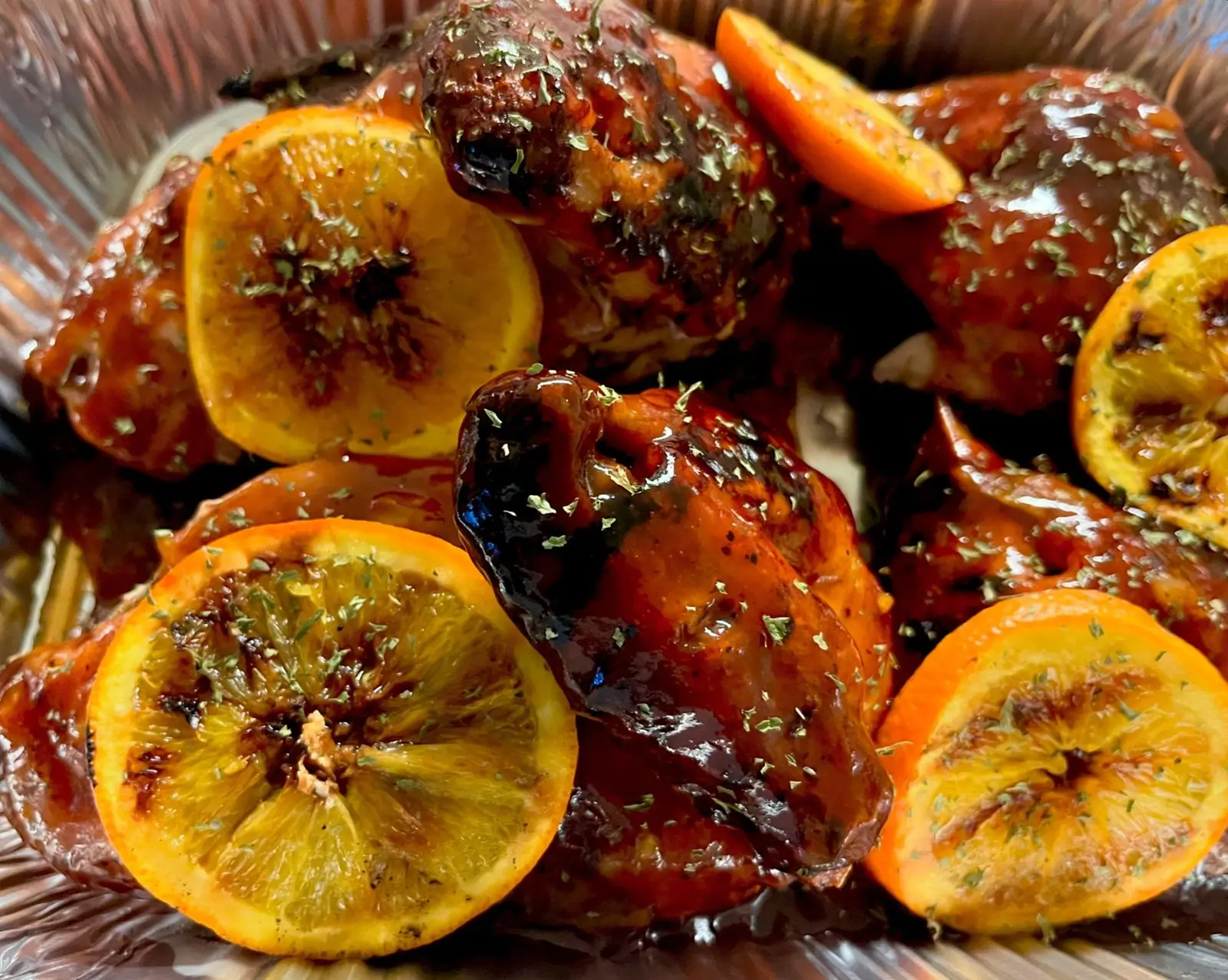
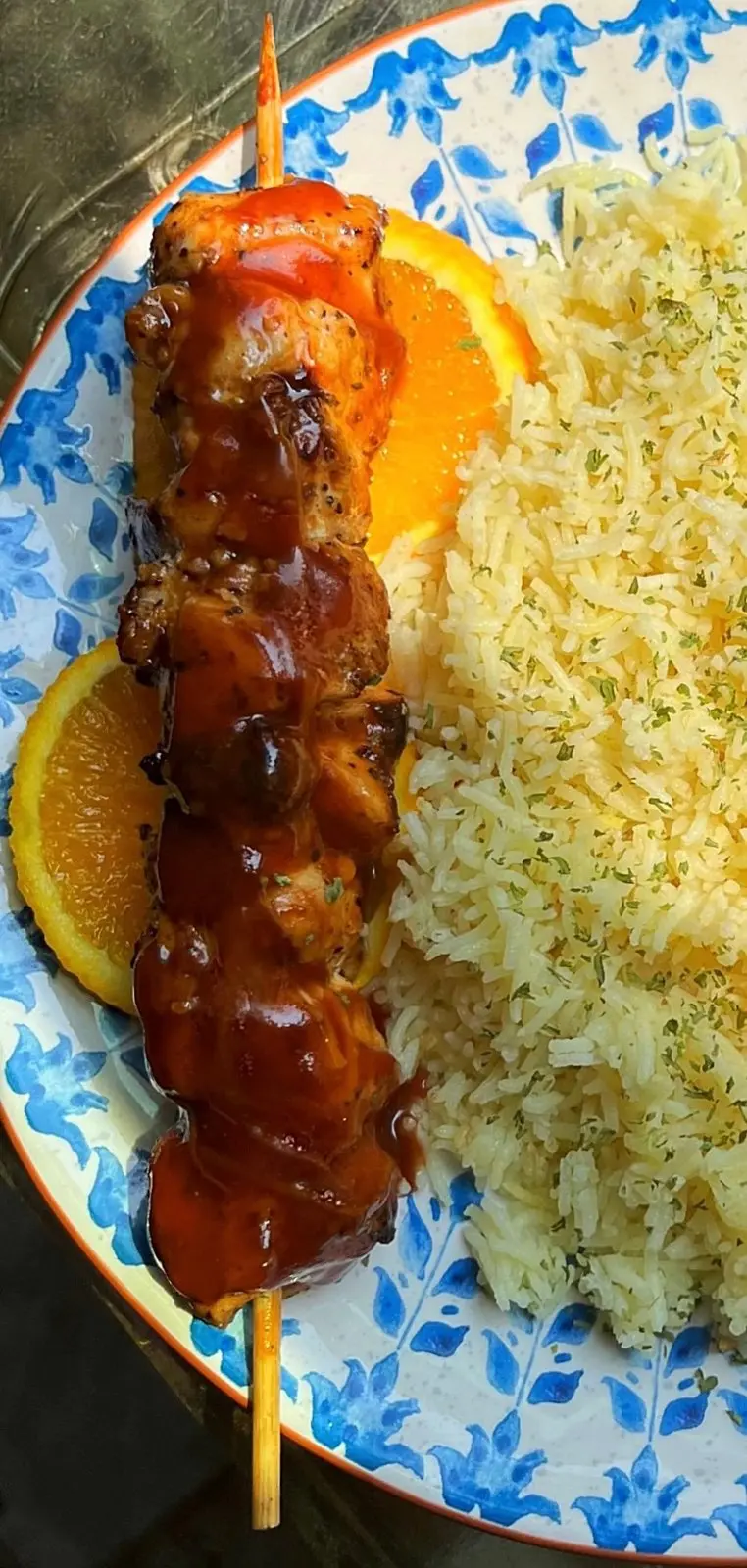
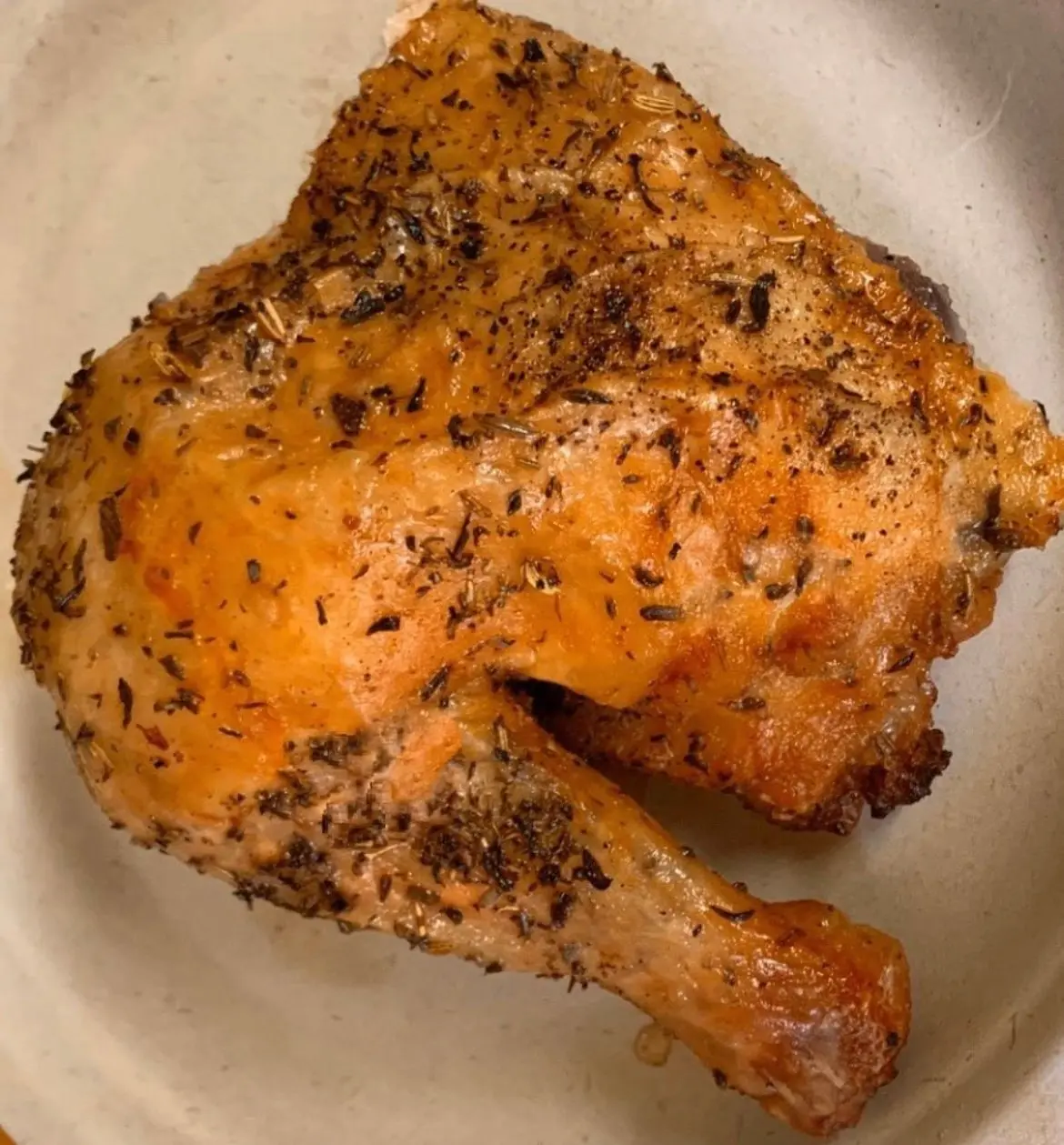
A study in technique: the gravy of smothering, the crust of frying, the perfume of herbs and the finish of smoke. Chicken and turkey appear in the many forms I return to at the table.
06 / The archive
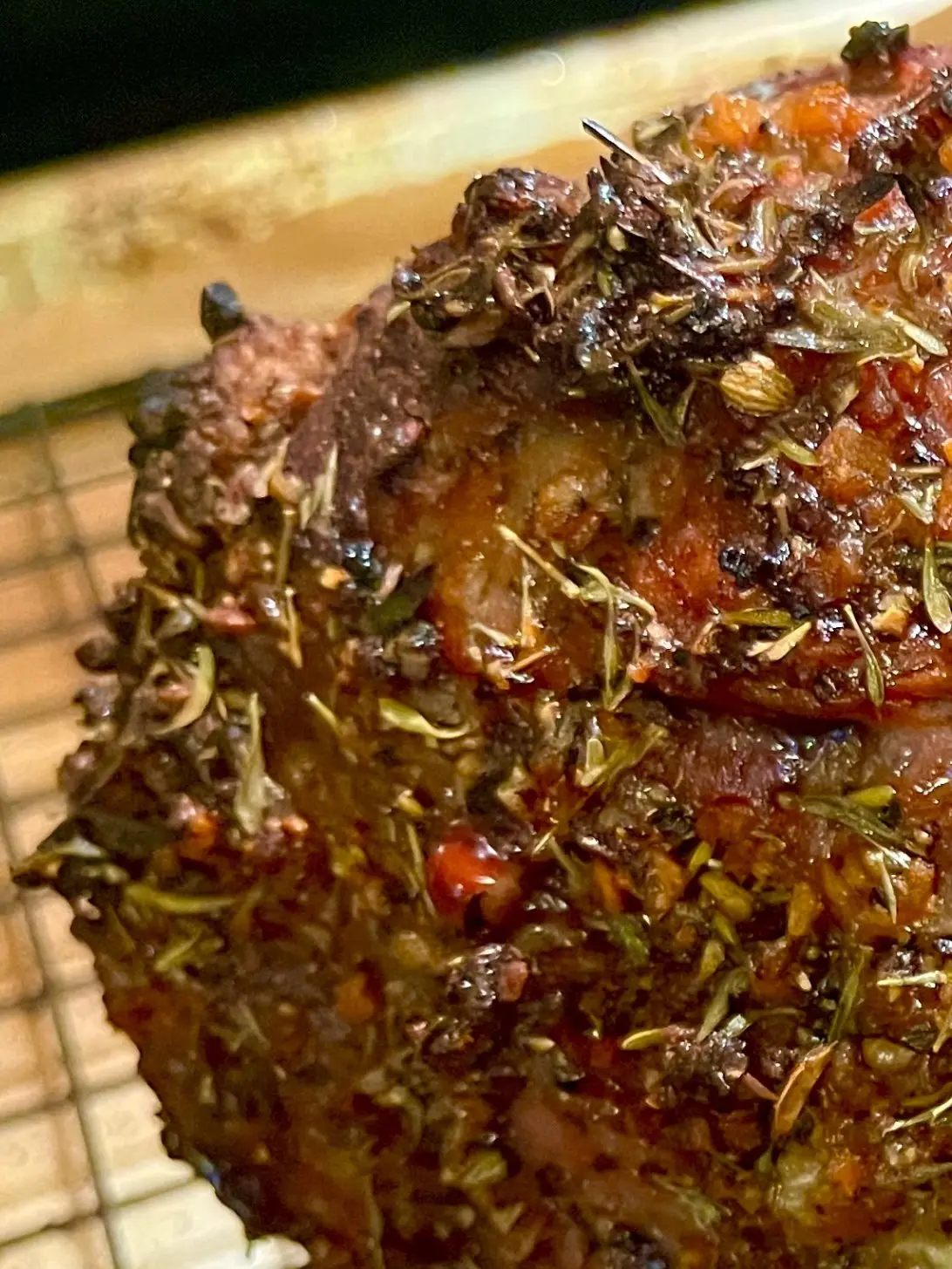
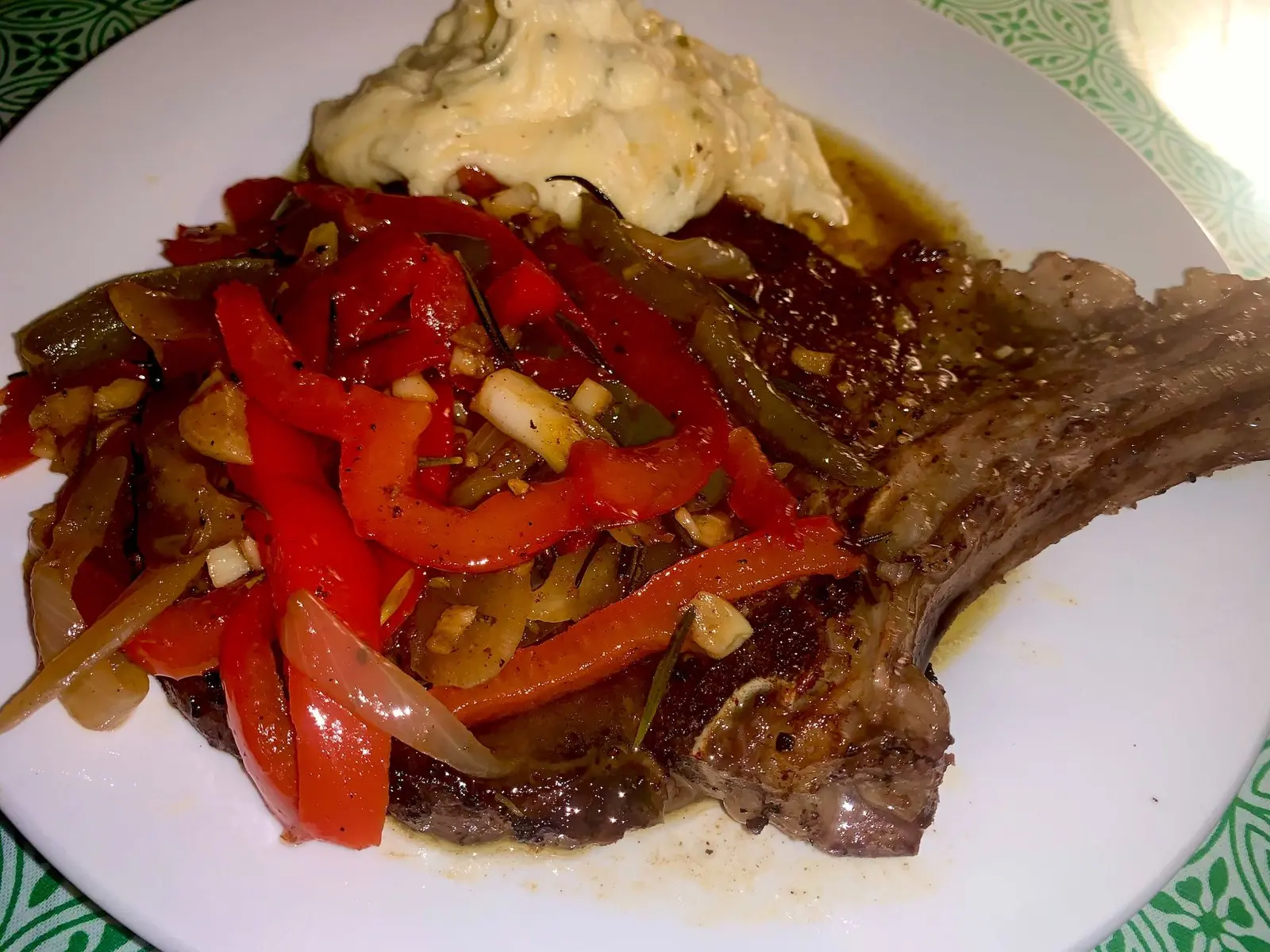
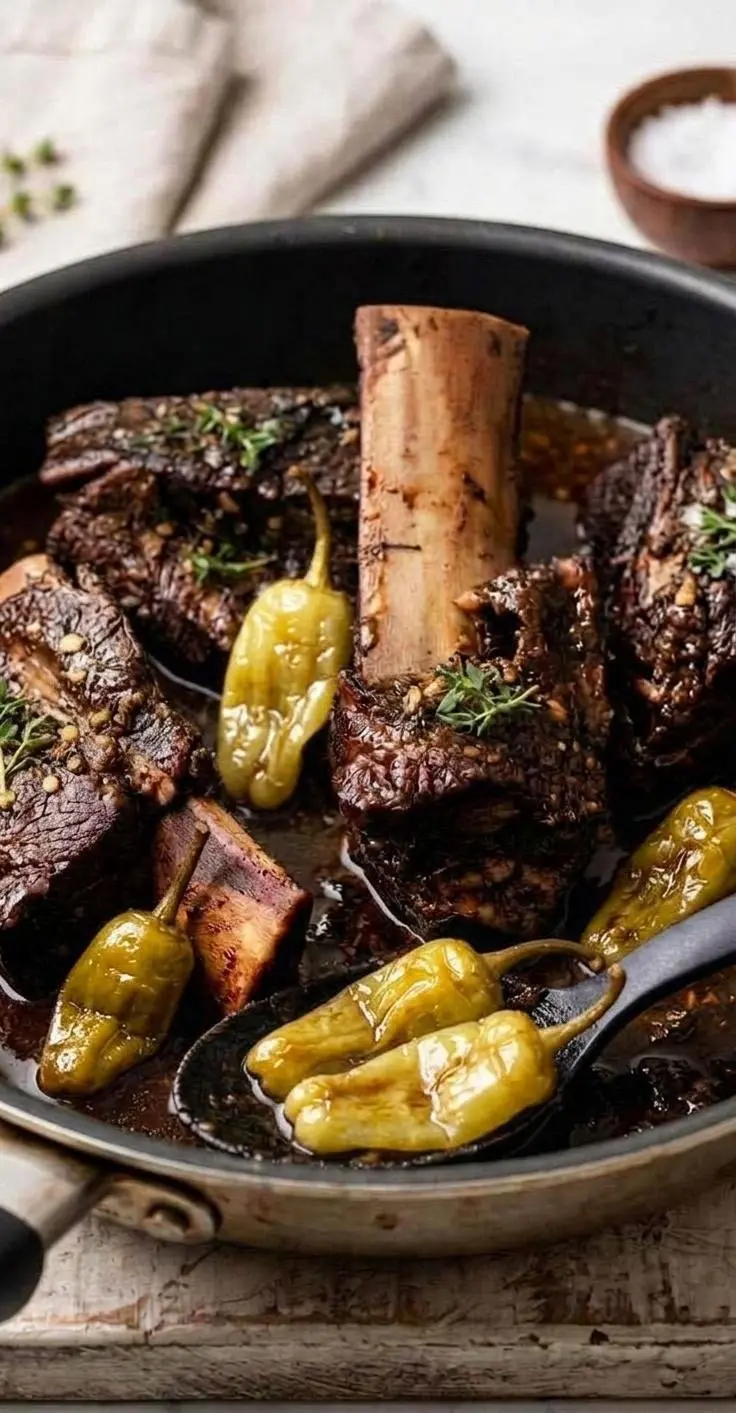
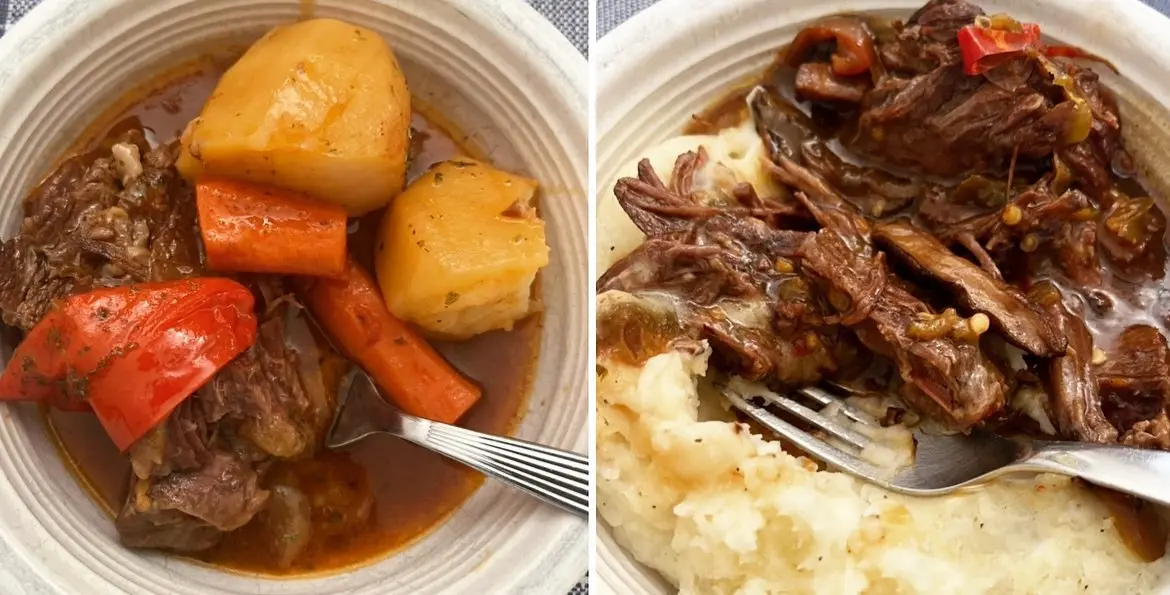
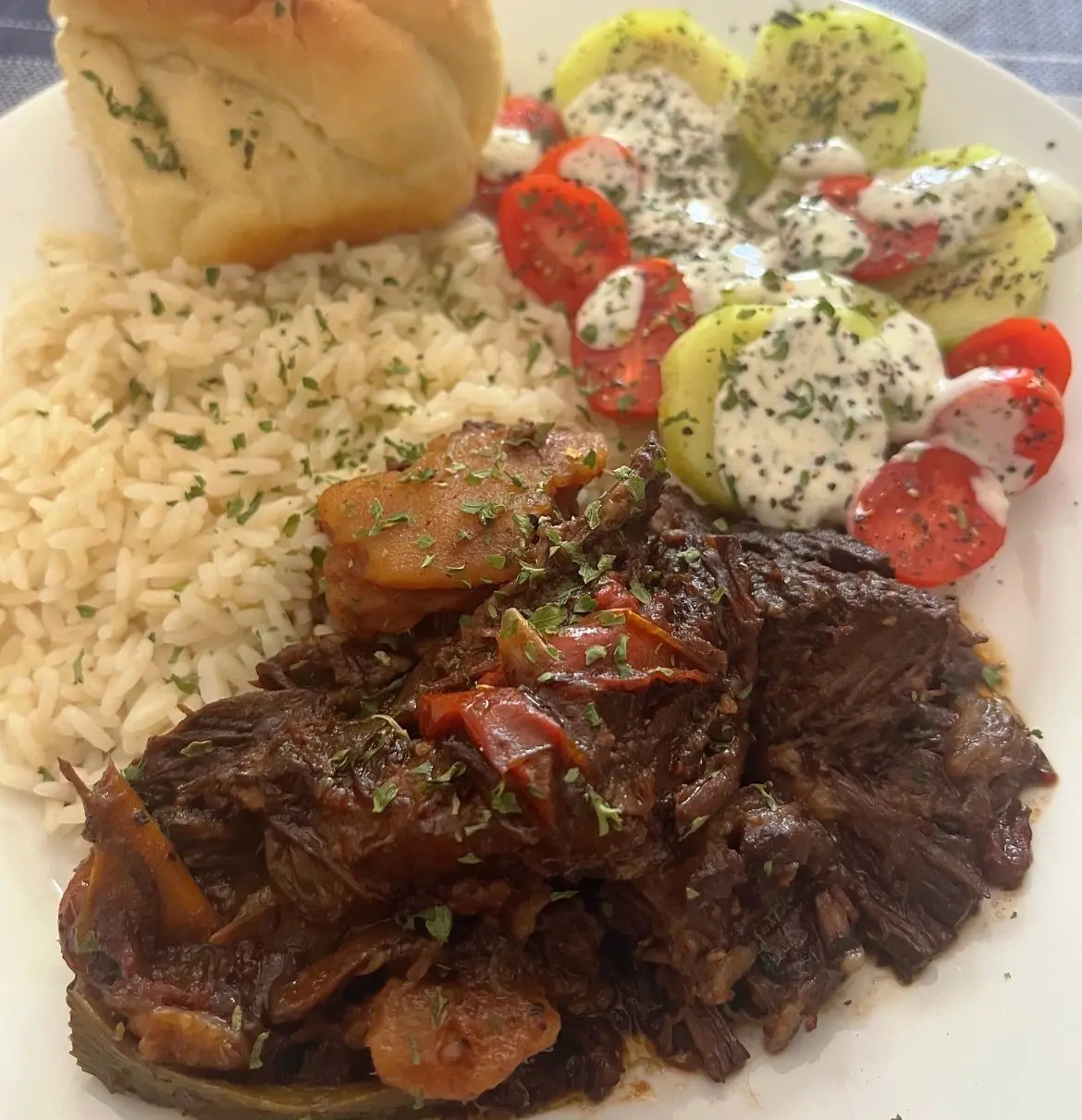
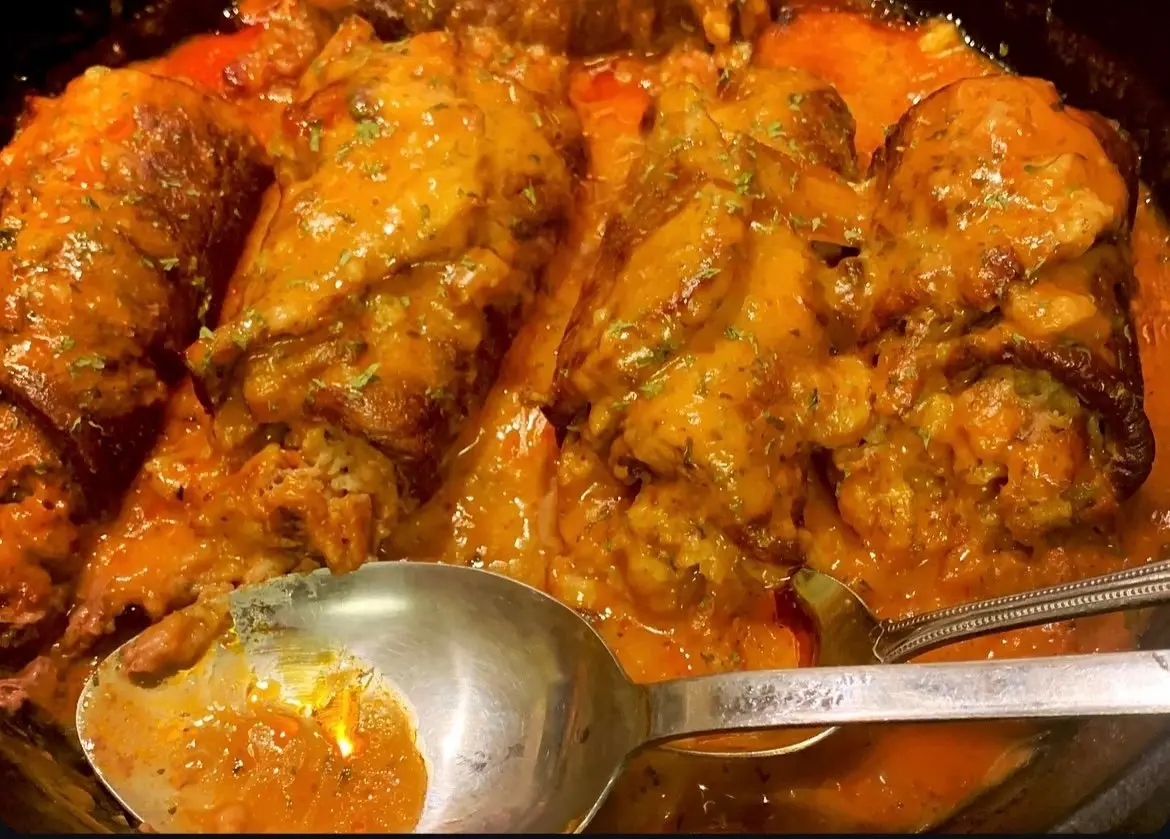
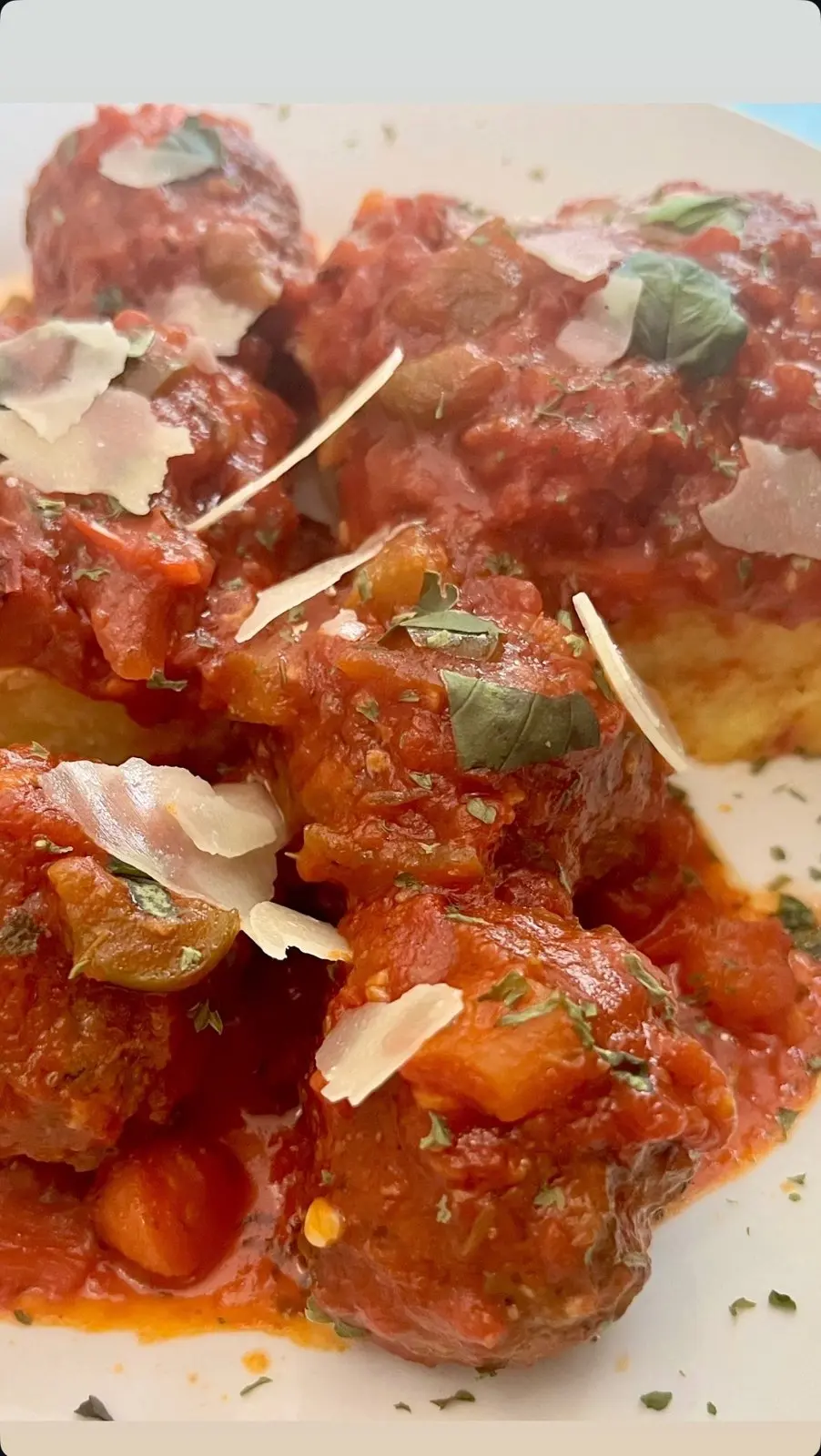
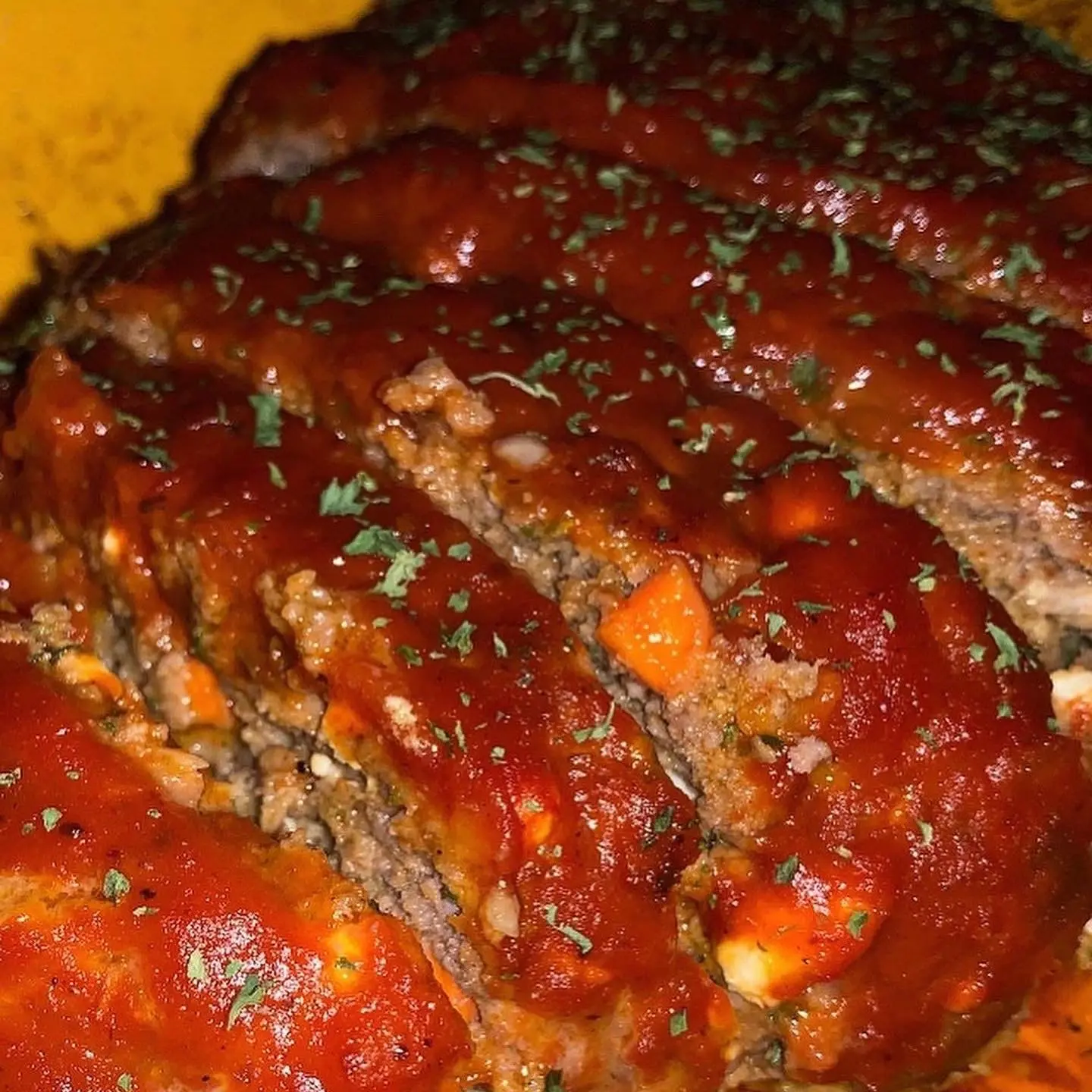
Roasts, short ribs, gravies and savory fillings. Alongside familiar preparations, Tartelon records the meeting of Mom’s pastry craft and my Creole-inspired savory cooking.
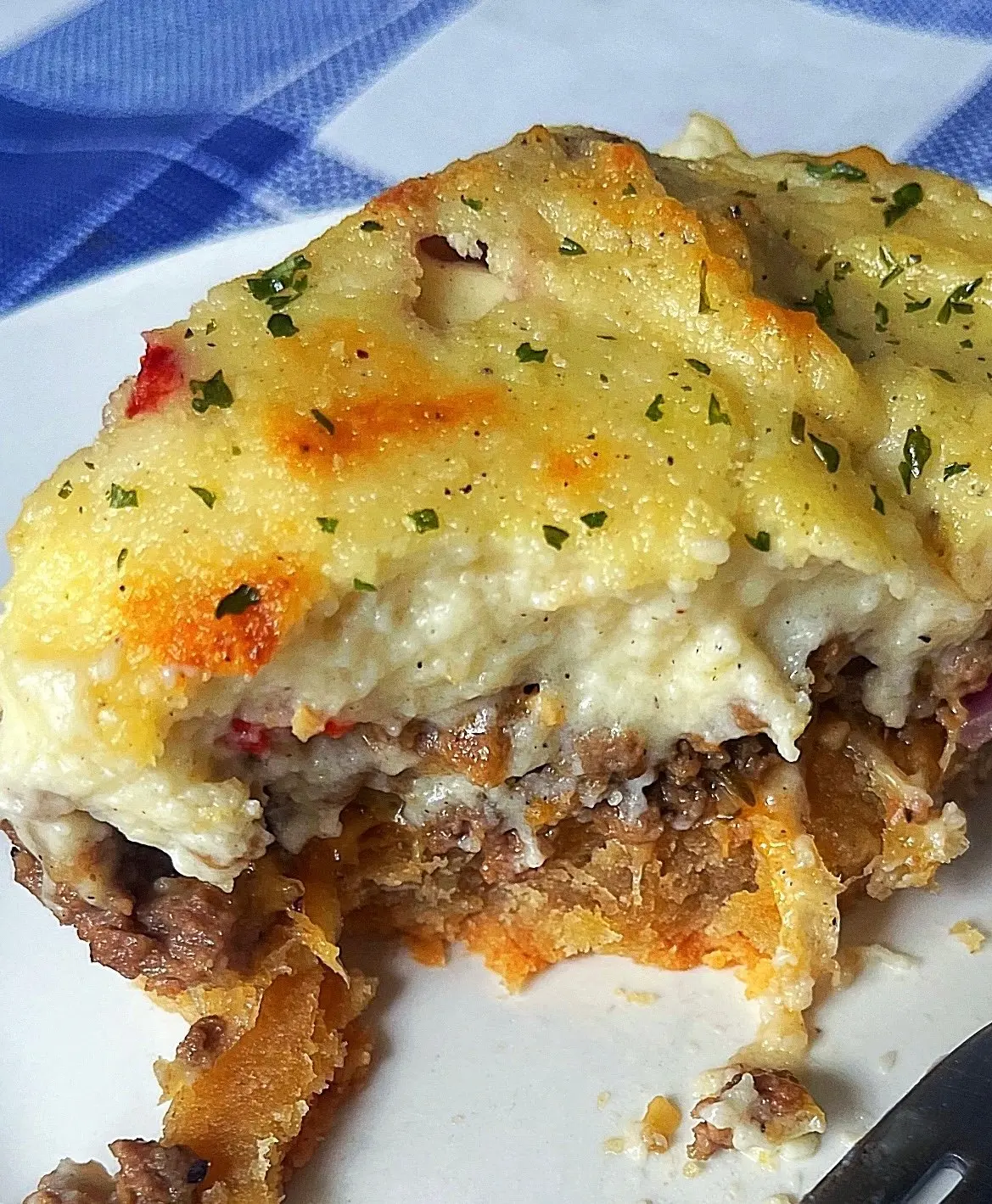
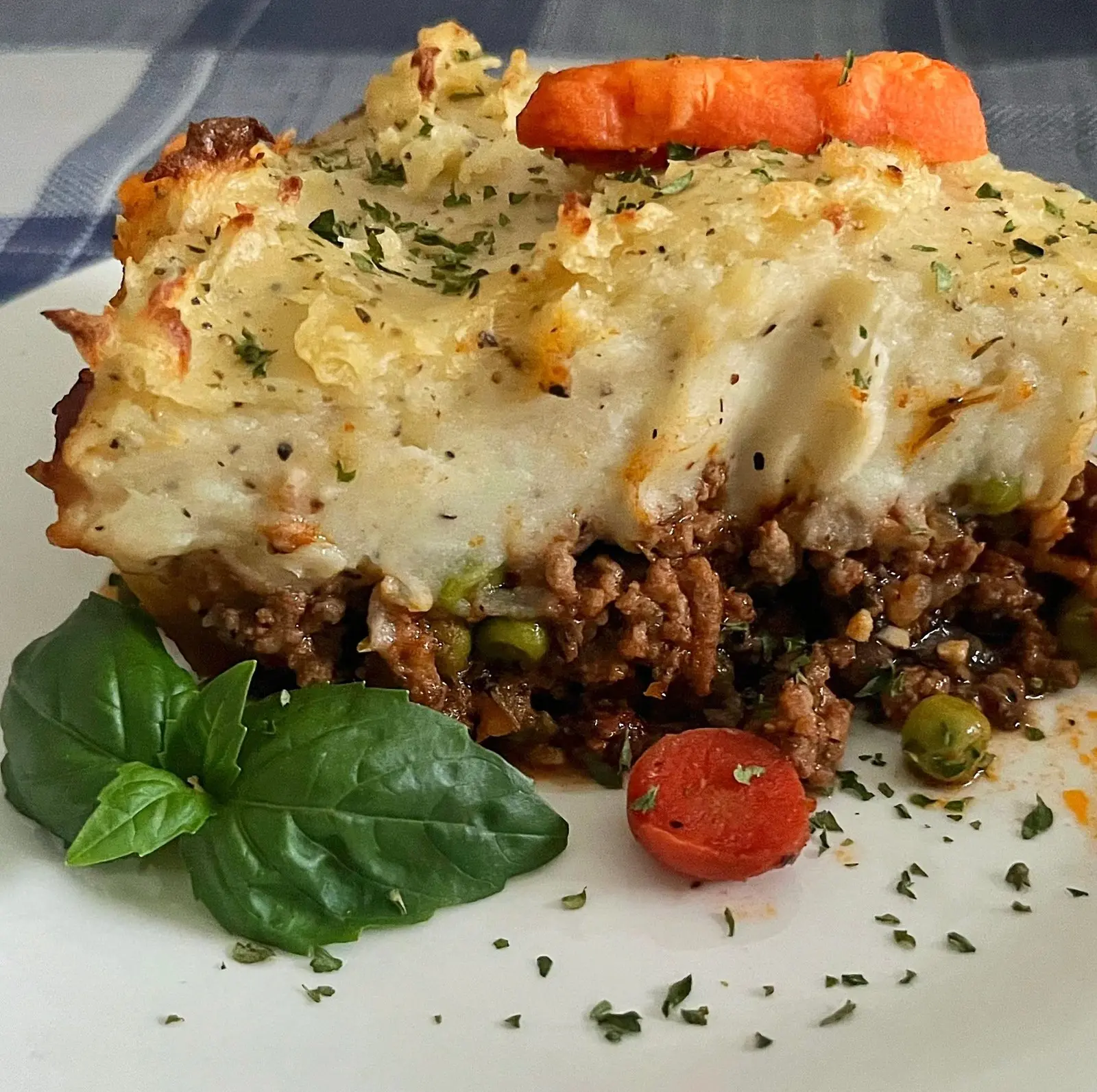
Mom’s flaky butter crust holds a Creole filling of chicken, turkey, beef or vegetable protein and roasted root vegetables, finished with a white cheddar béchamel.
07 / The archive
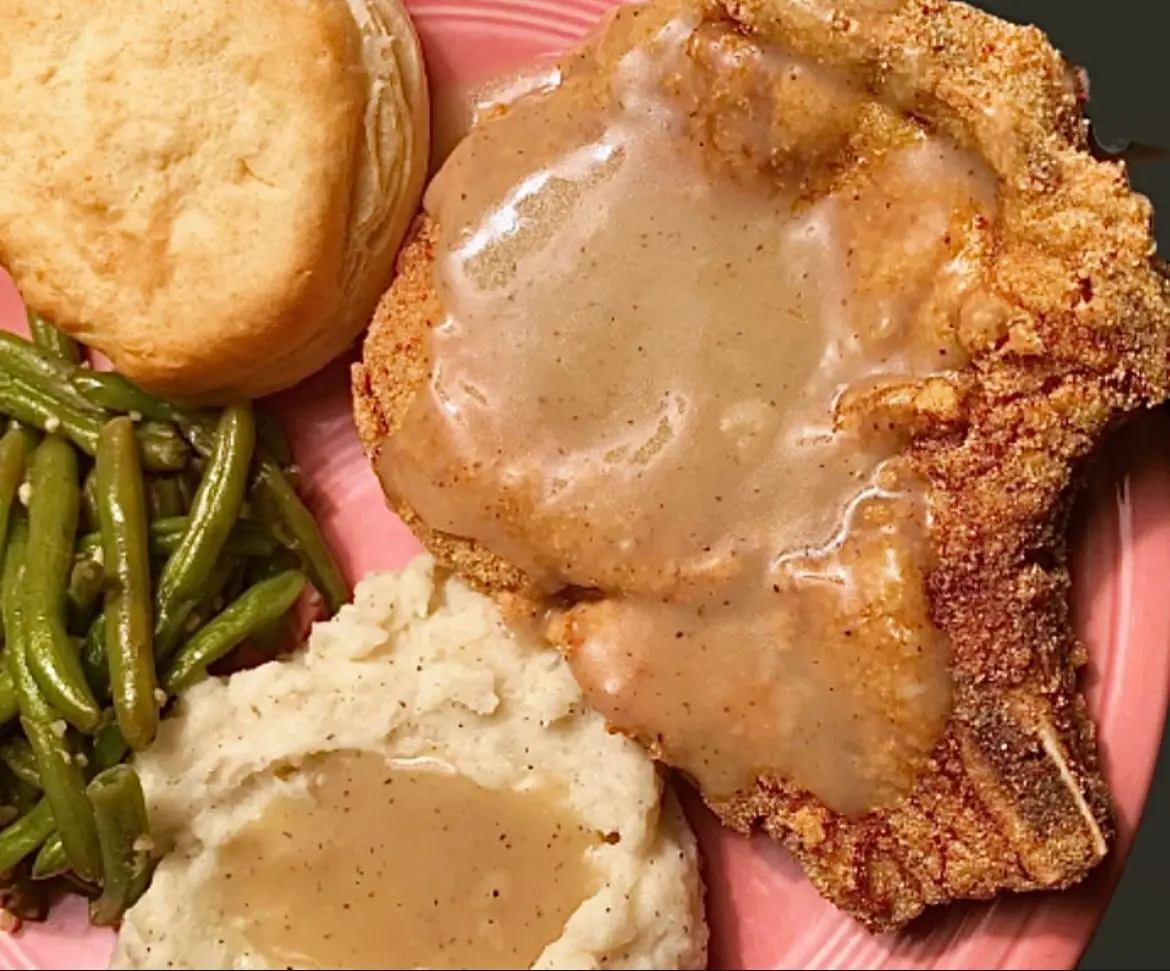
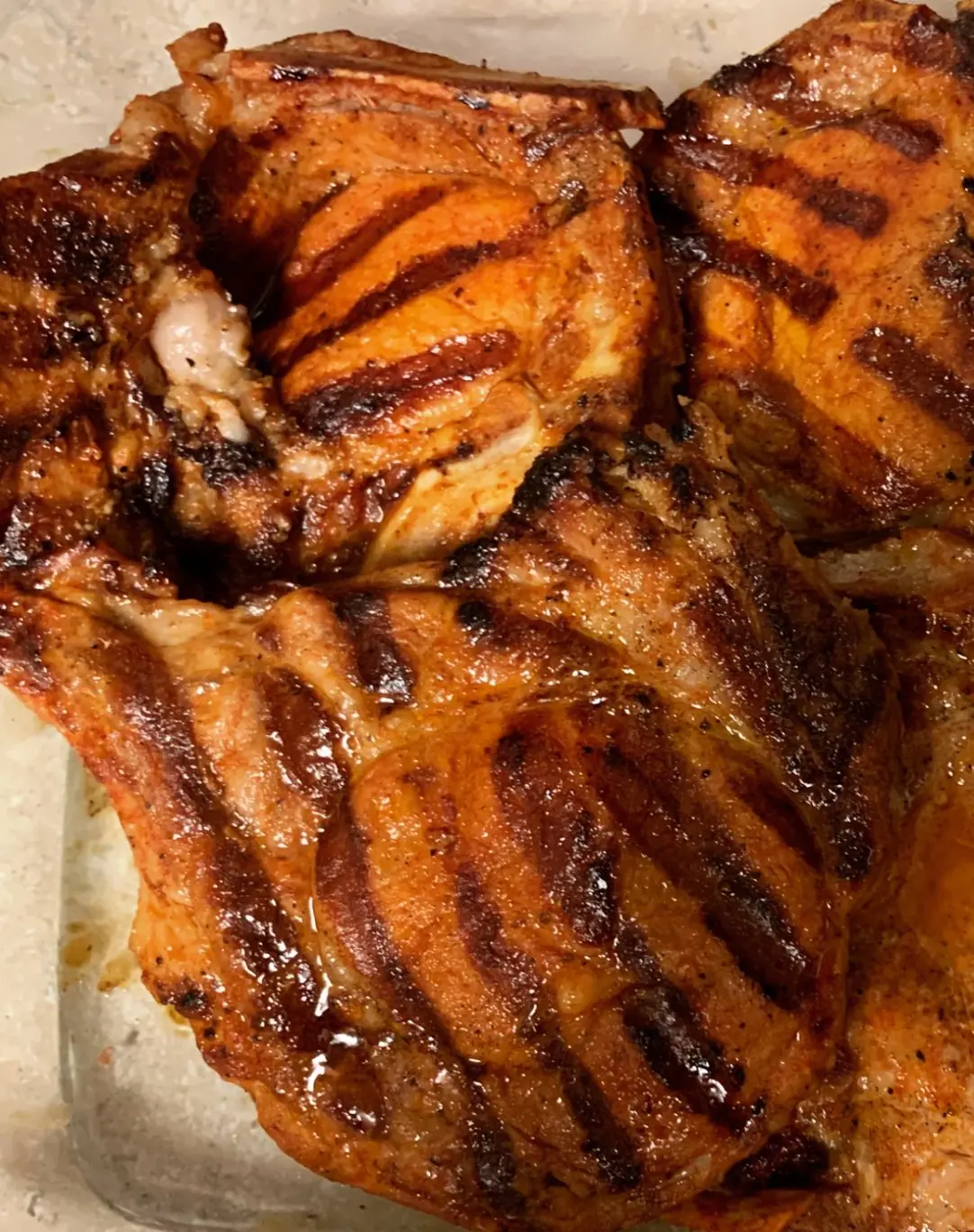
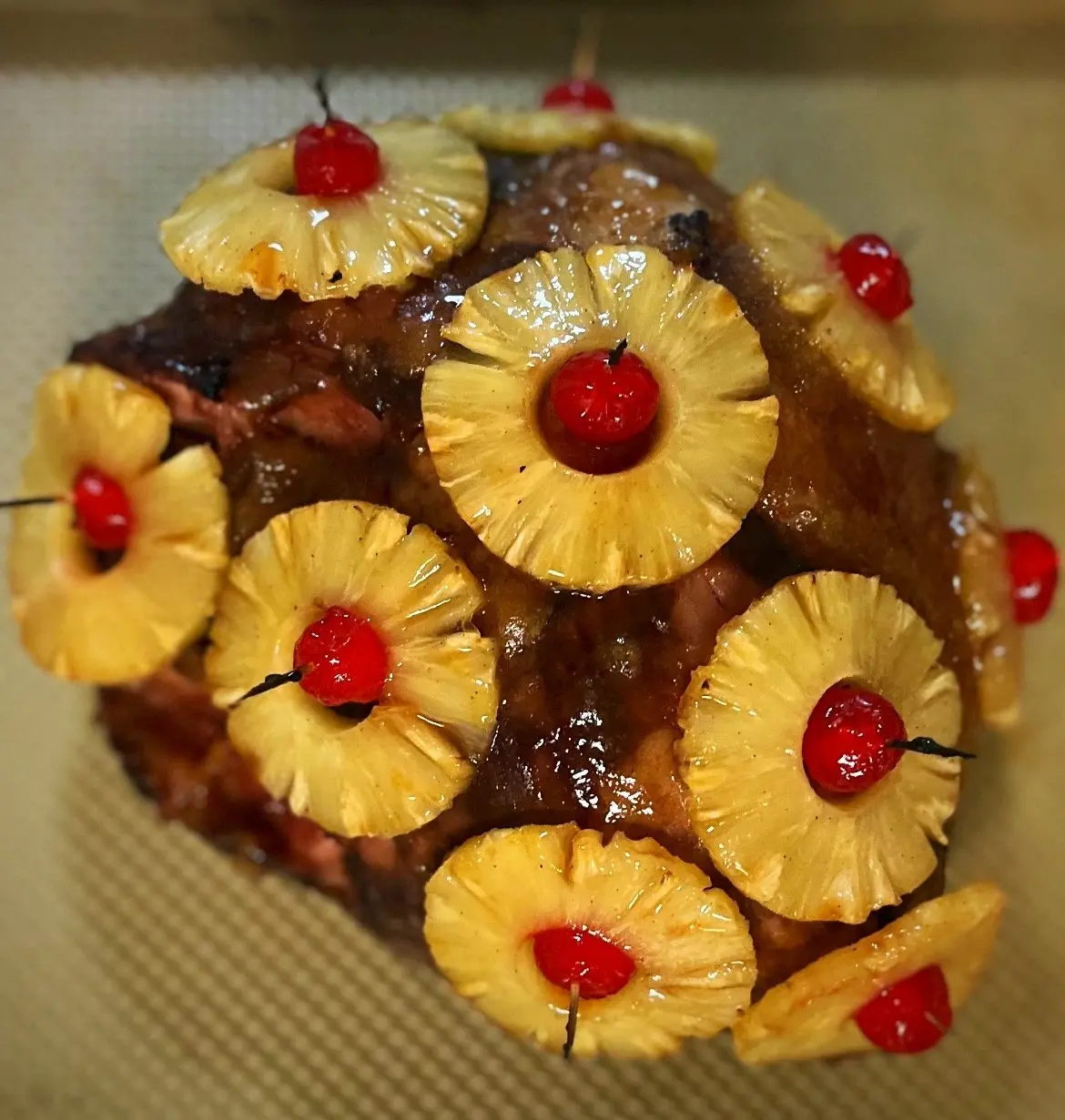
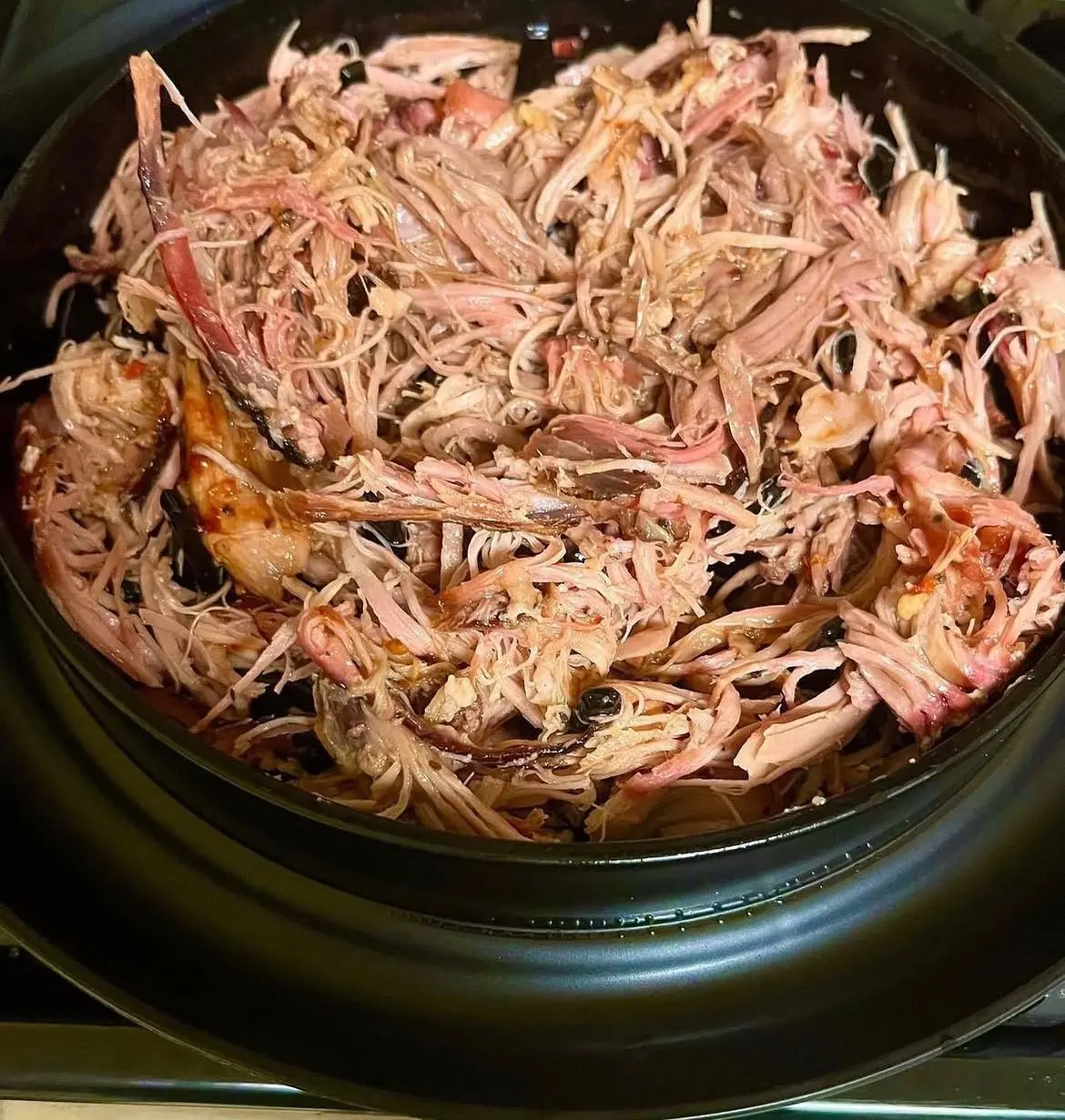
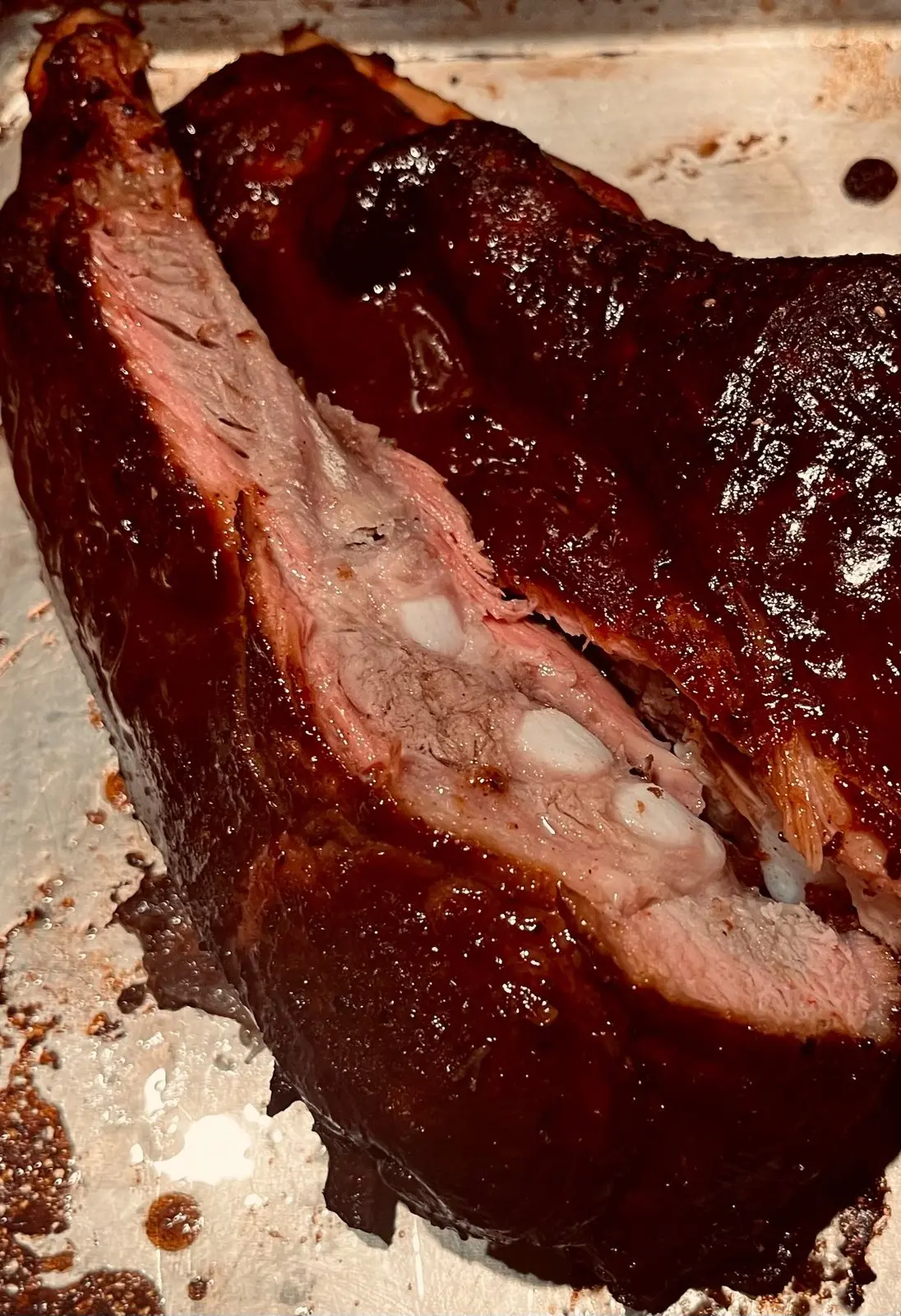
Chops, ham, slow-smoked pulled pork and ribs. The Easter plate lives in the shared-table chapter; sauces and finishing accompaniments have their own place in the archive.
08 / The archive
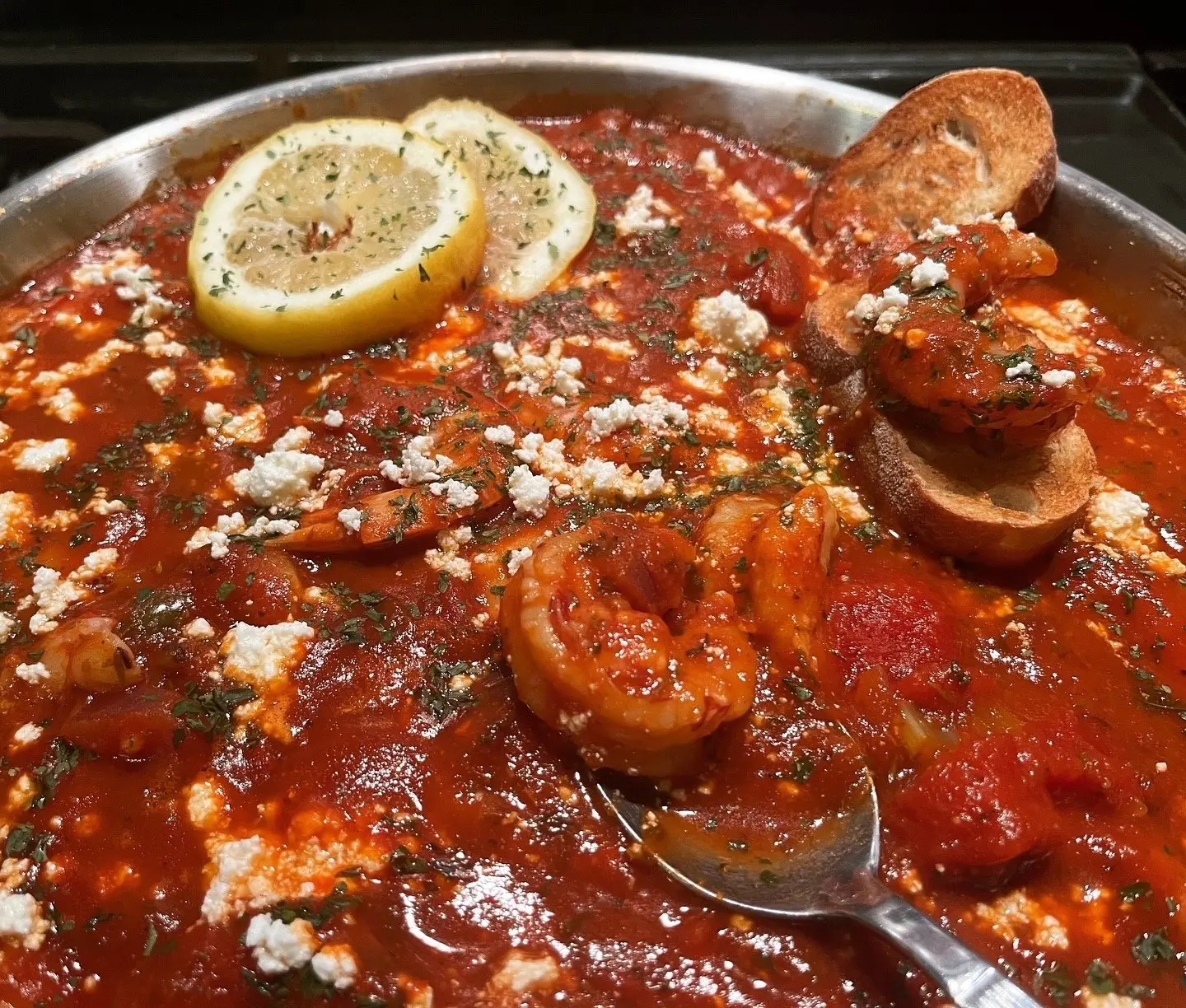
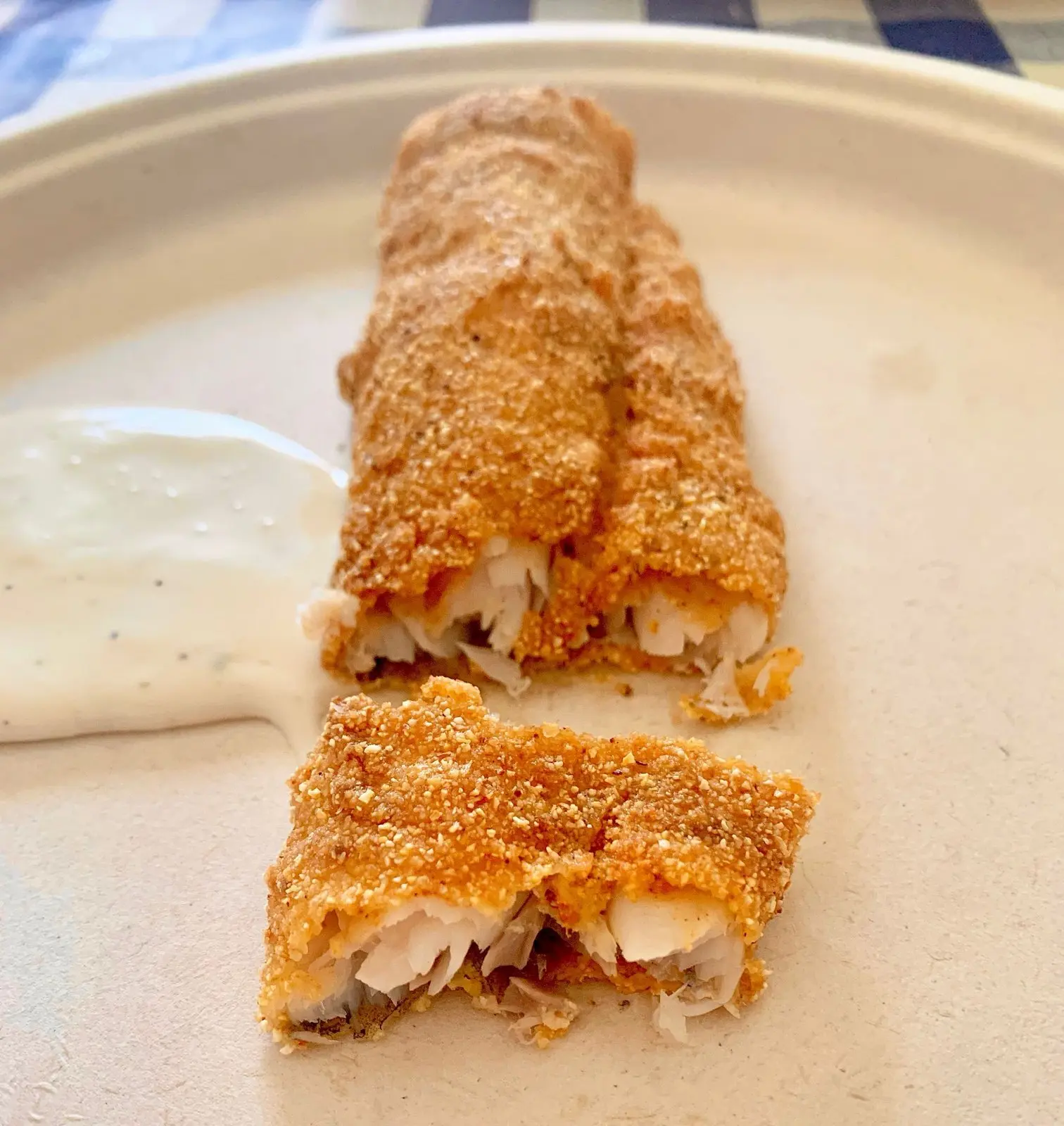
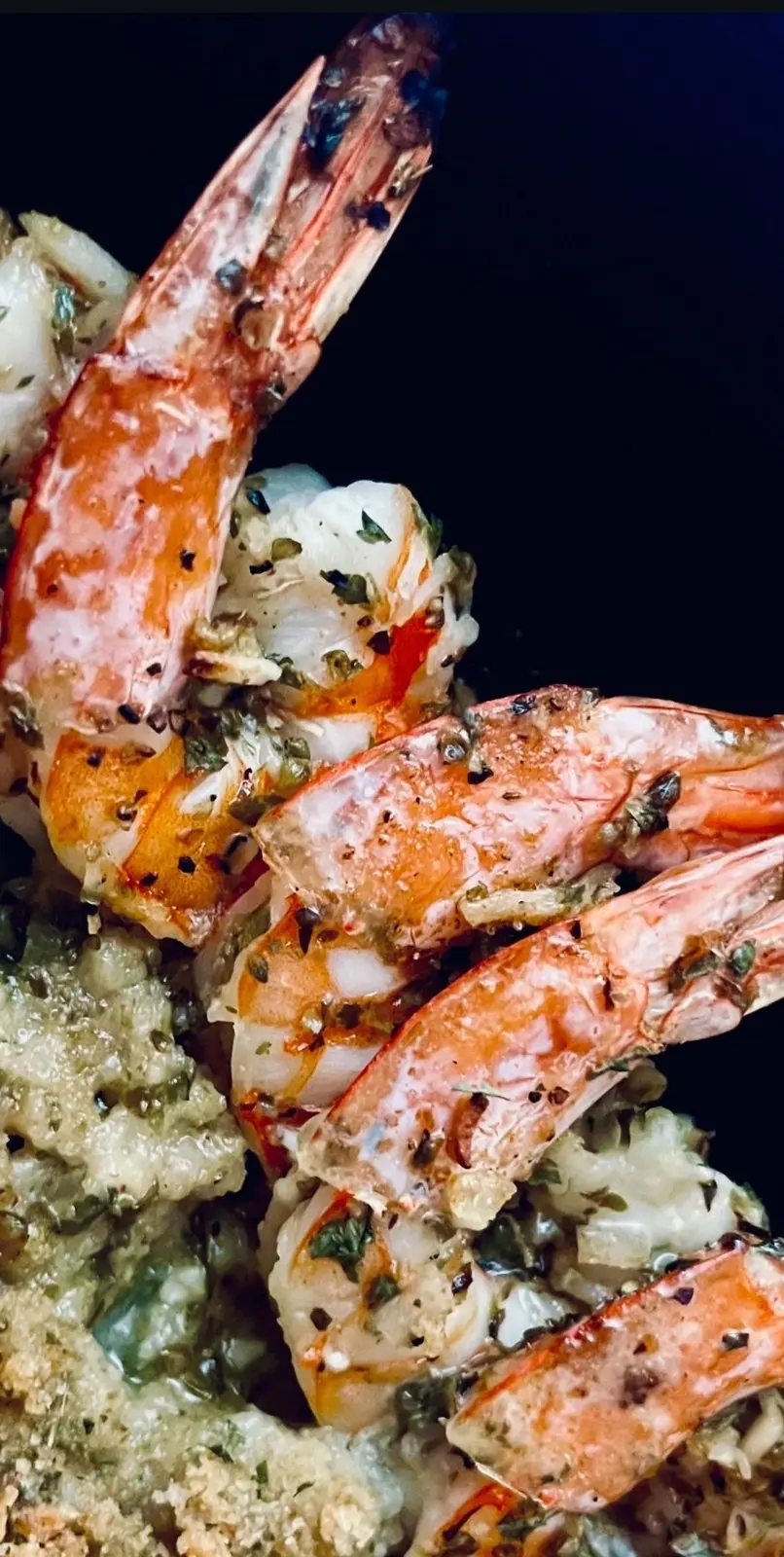
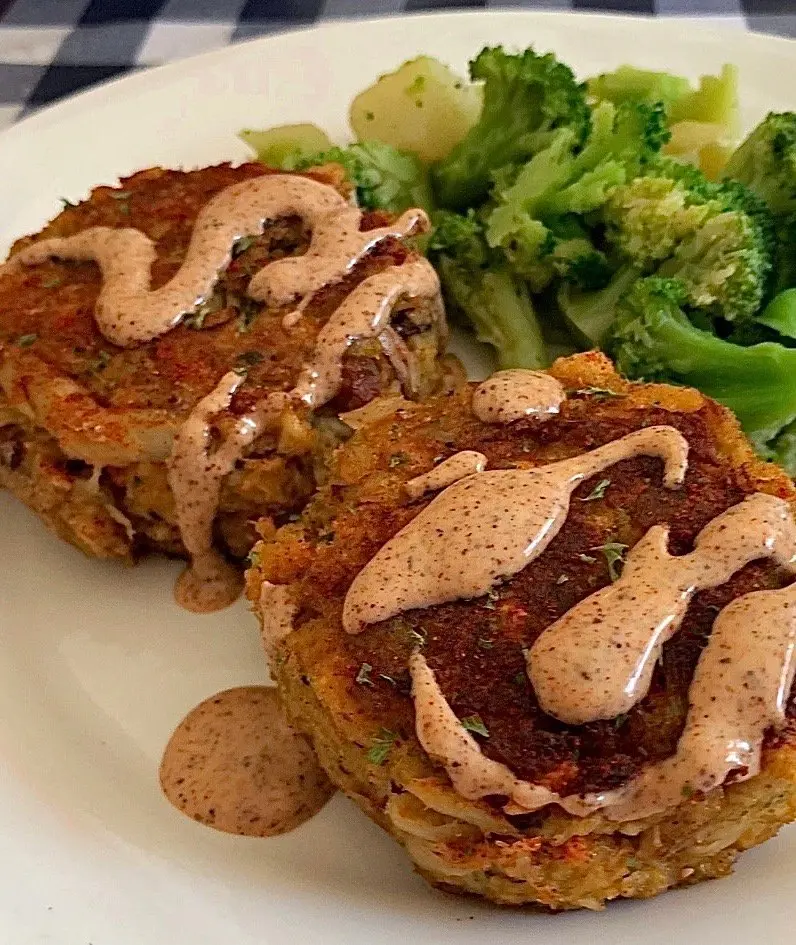
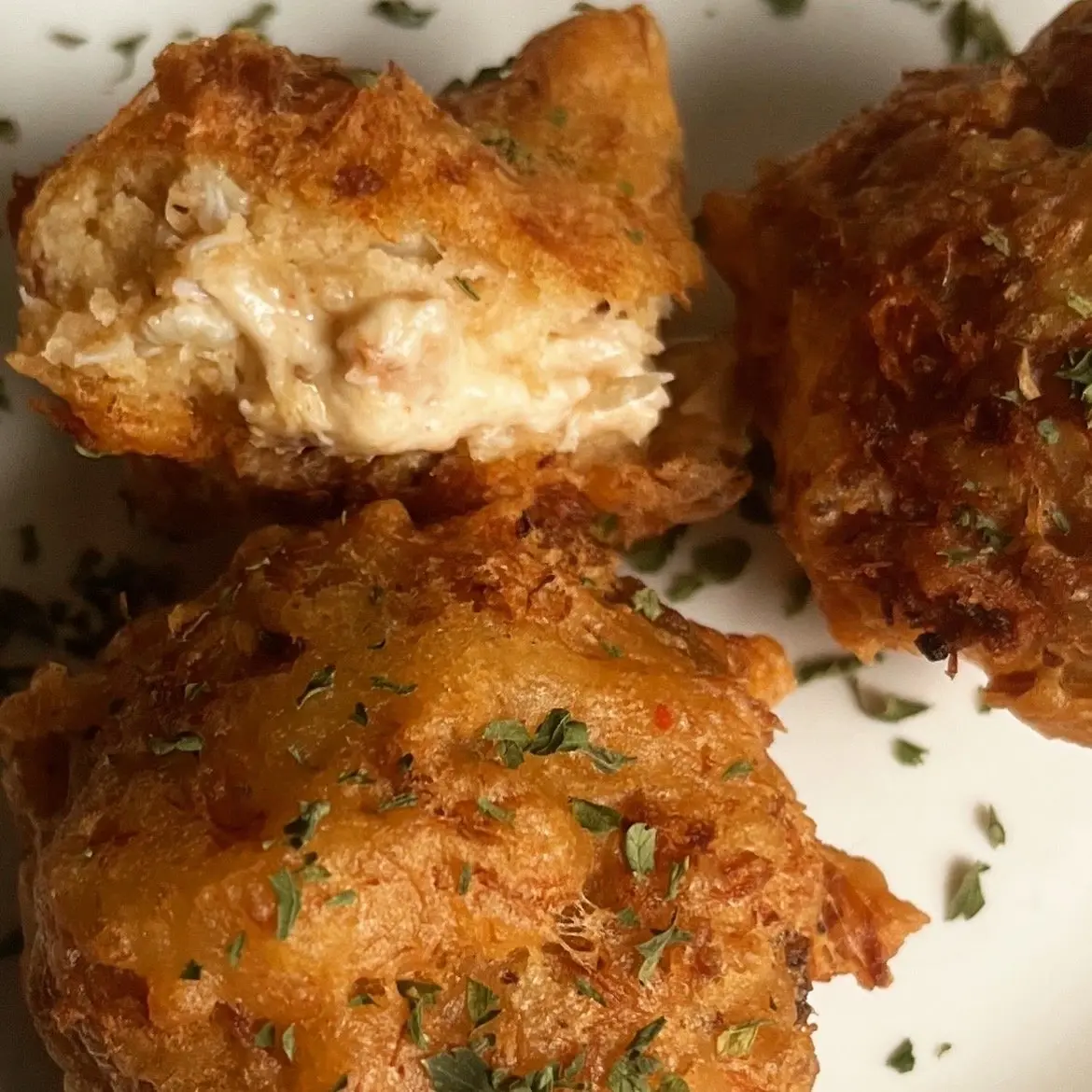
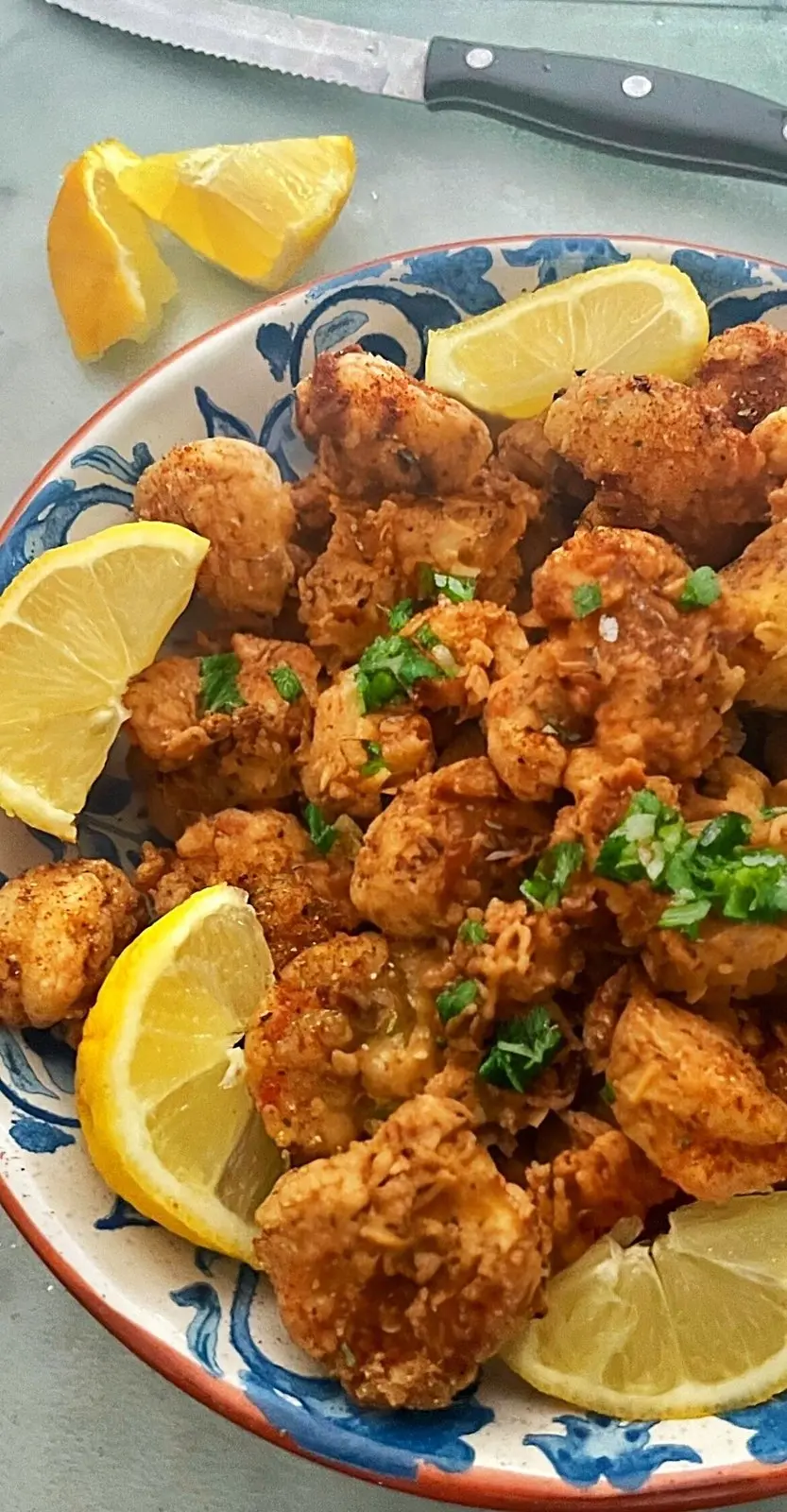
Catfish, shrimp and crab, from the frying pan to the oven. The Gullah-named preparation is retained as such, alongside the Creole and other seafood dishes in my repertoire.
09 / The archive
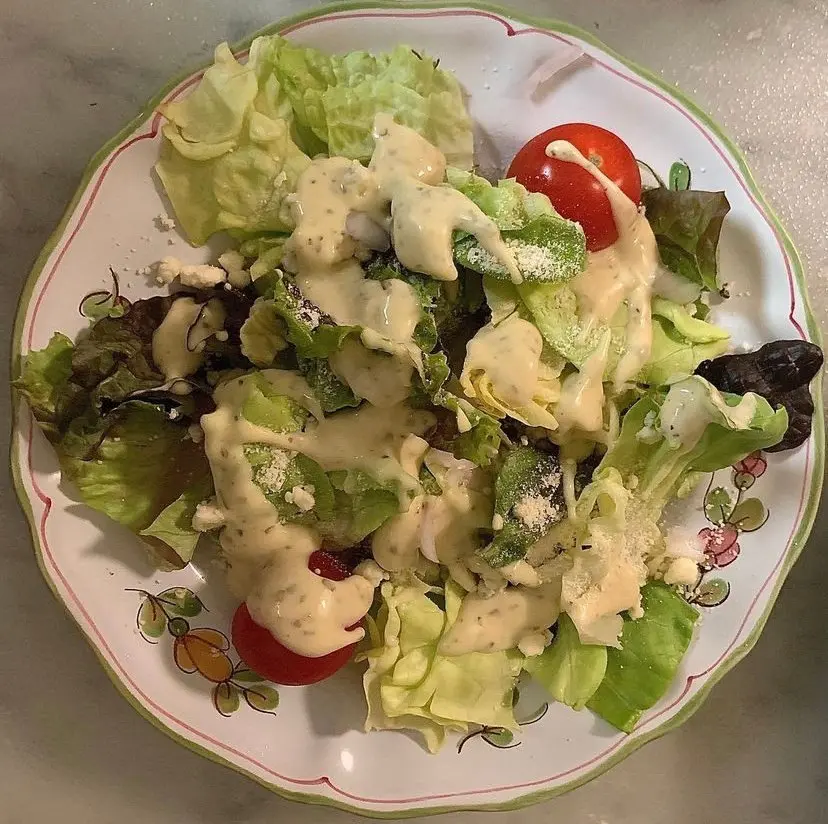
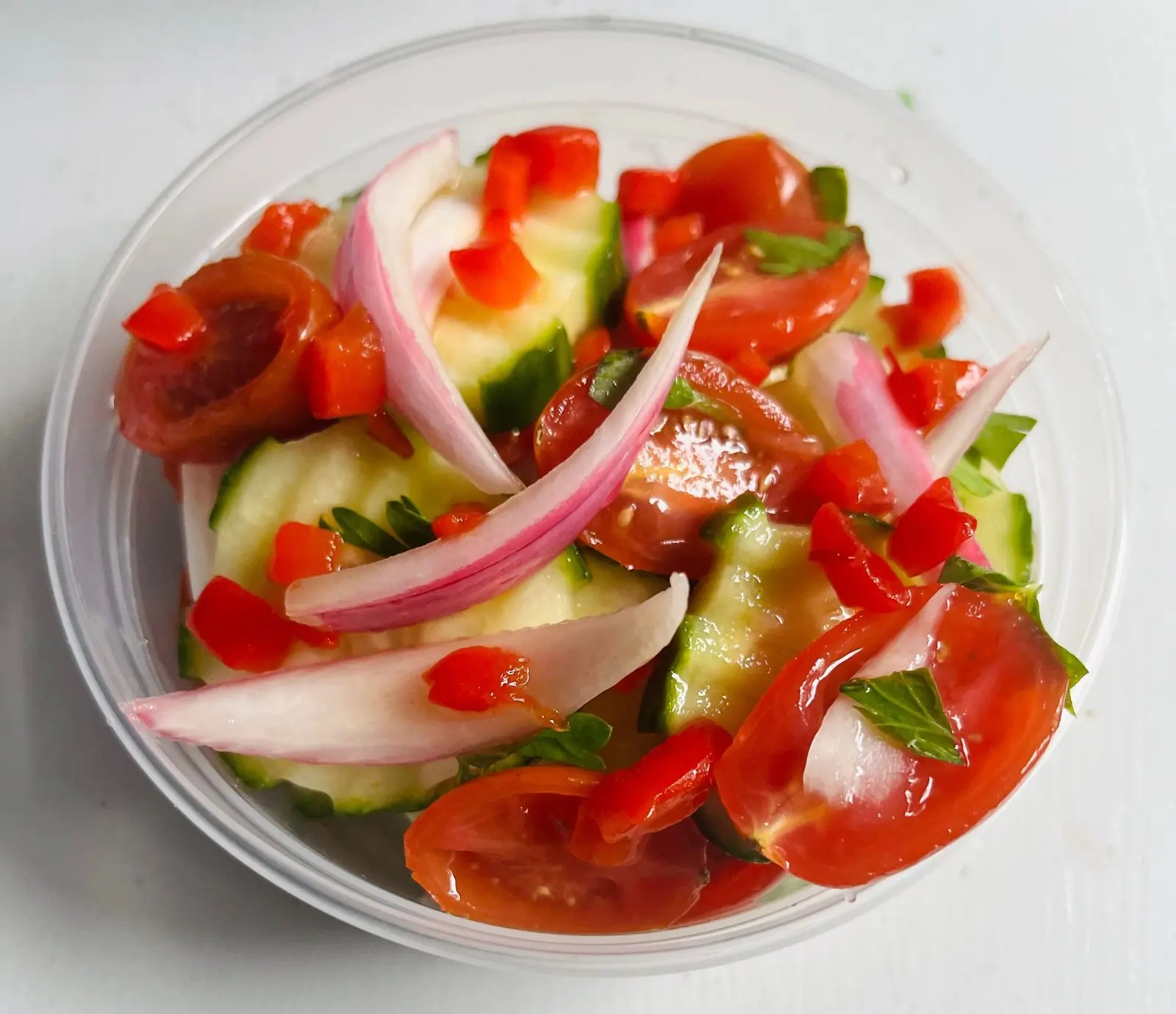
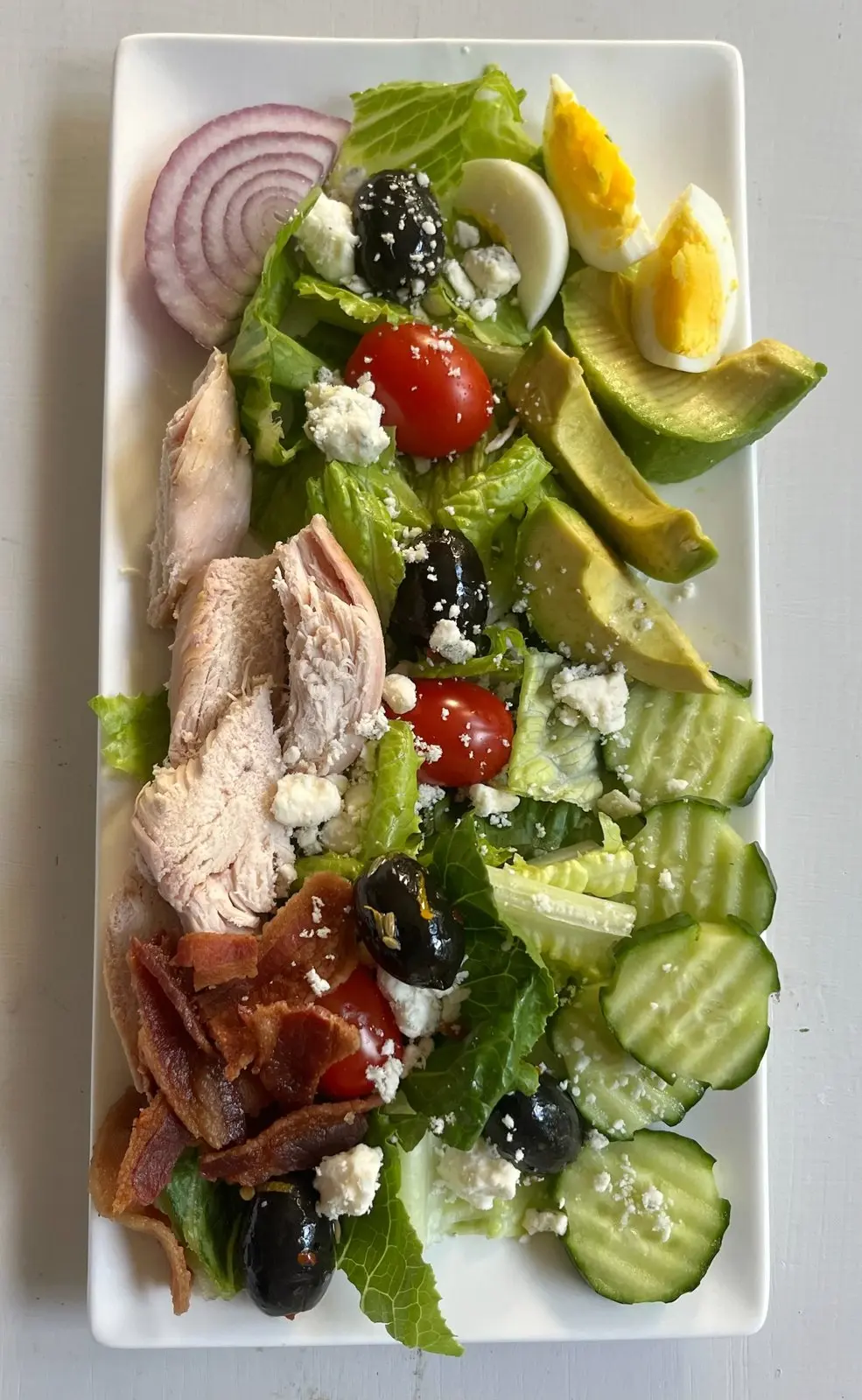
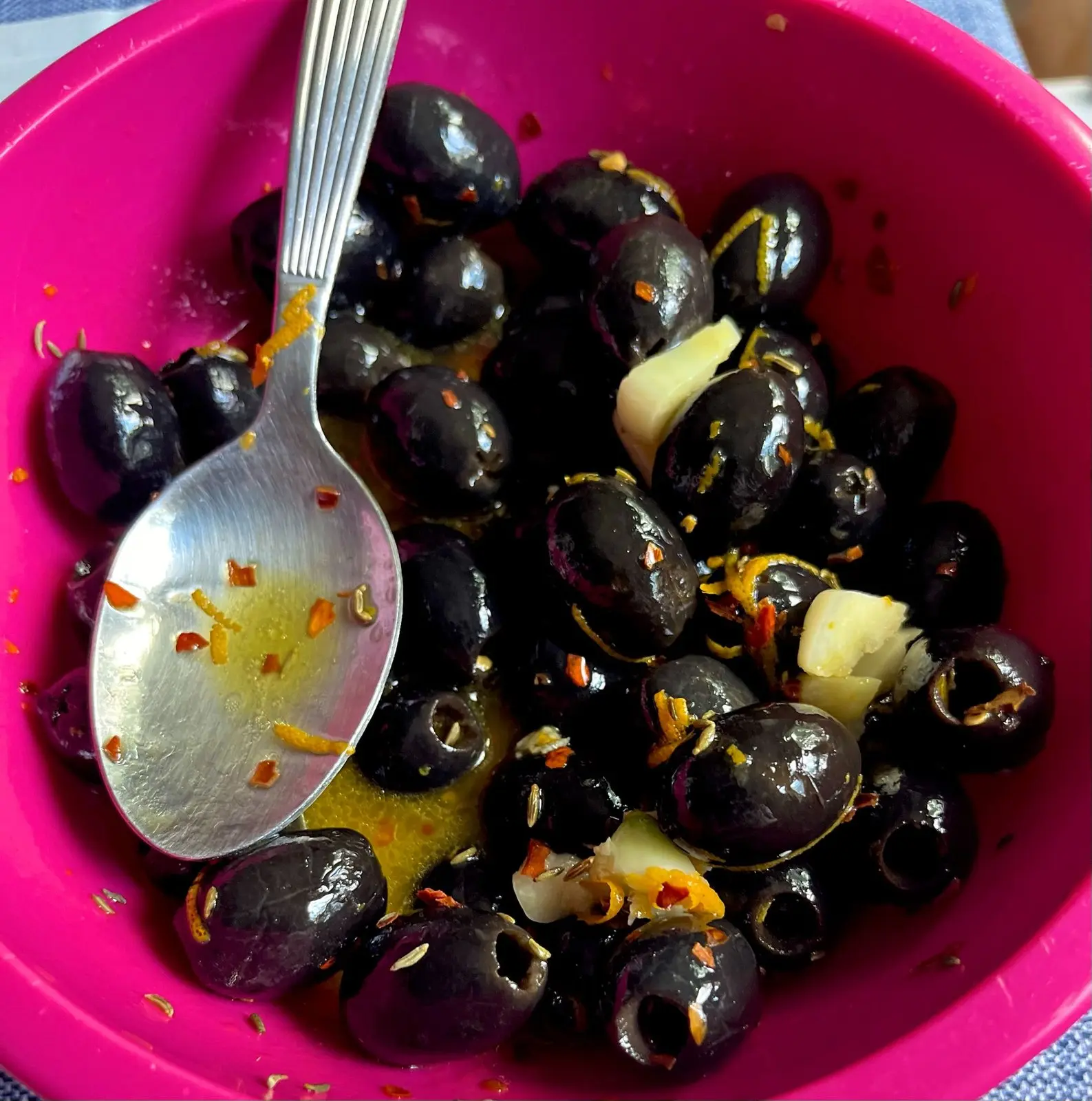
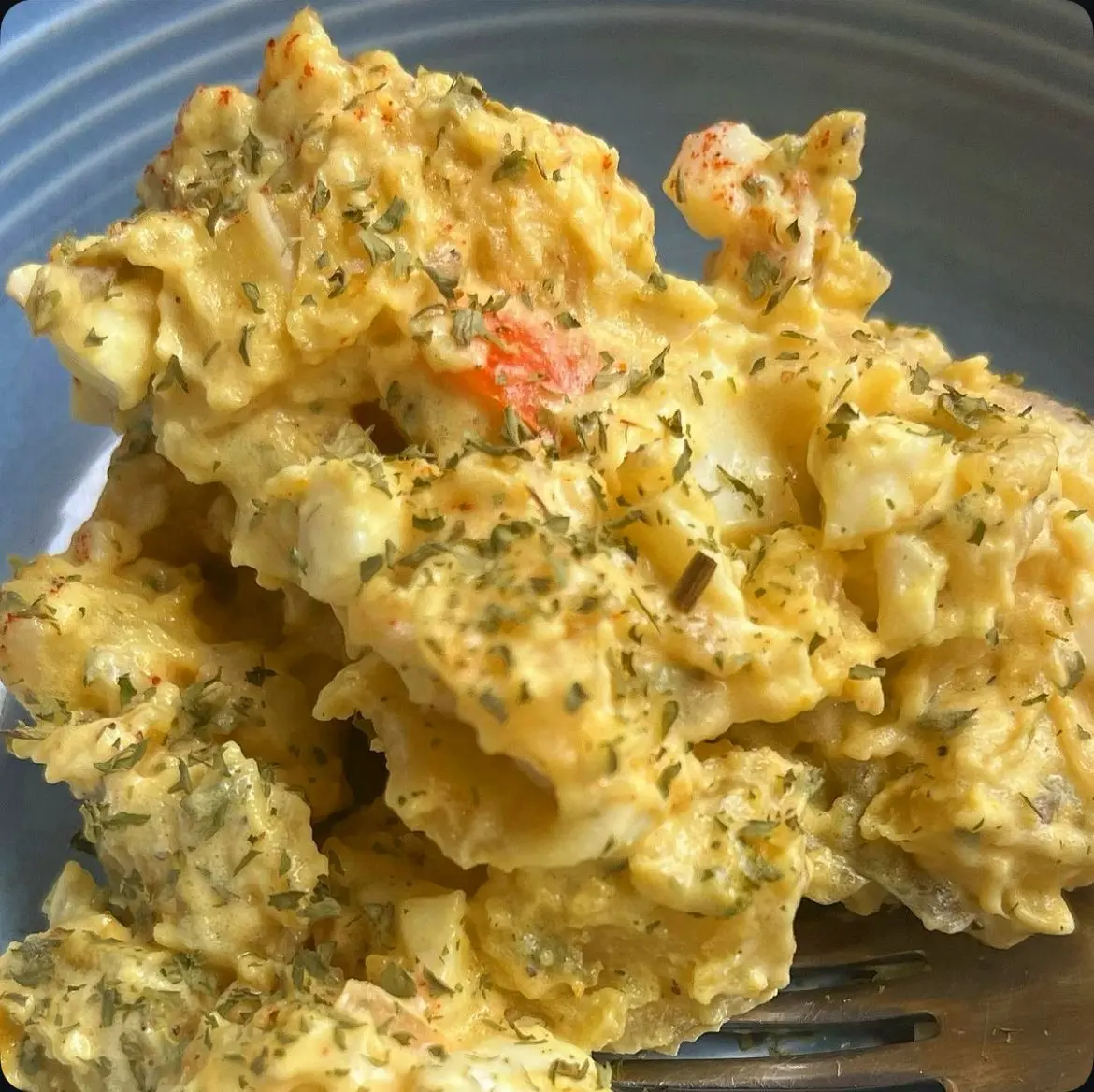
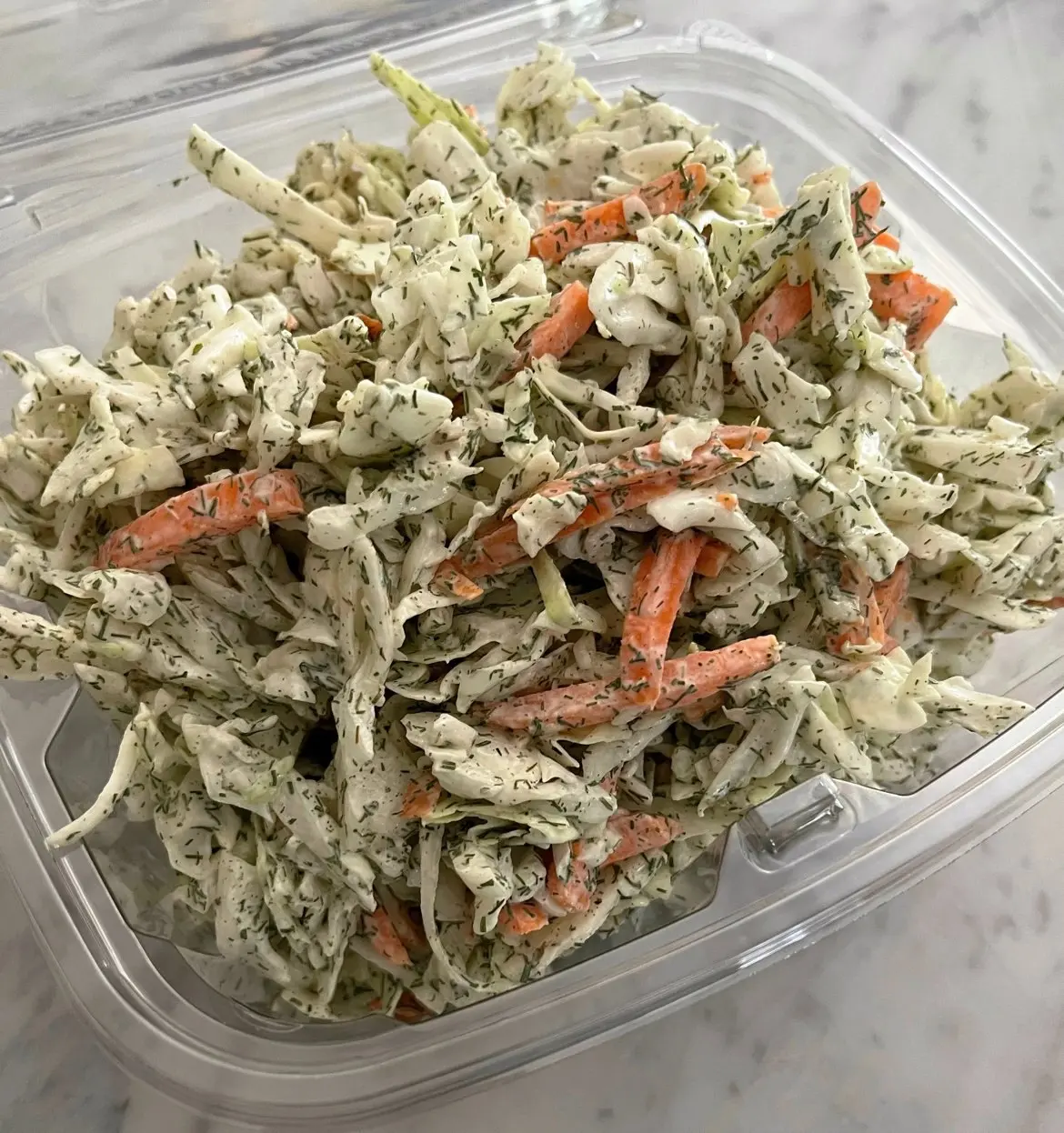
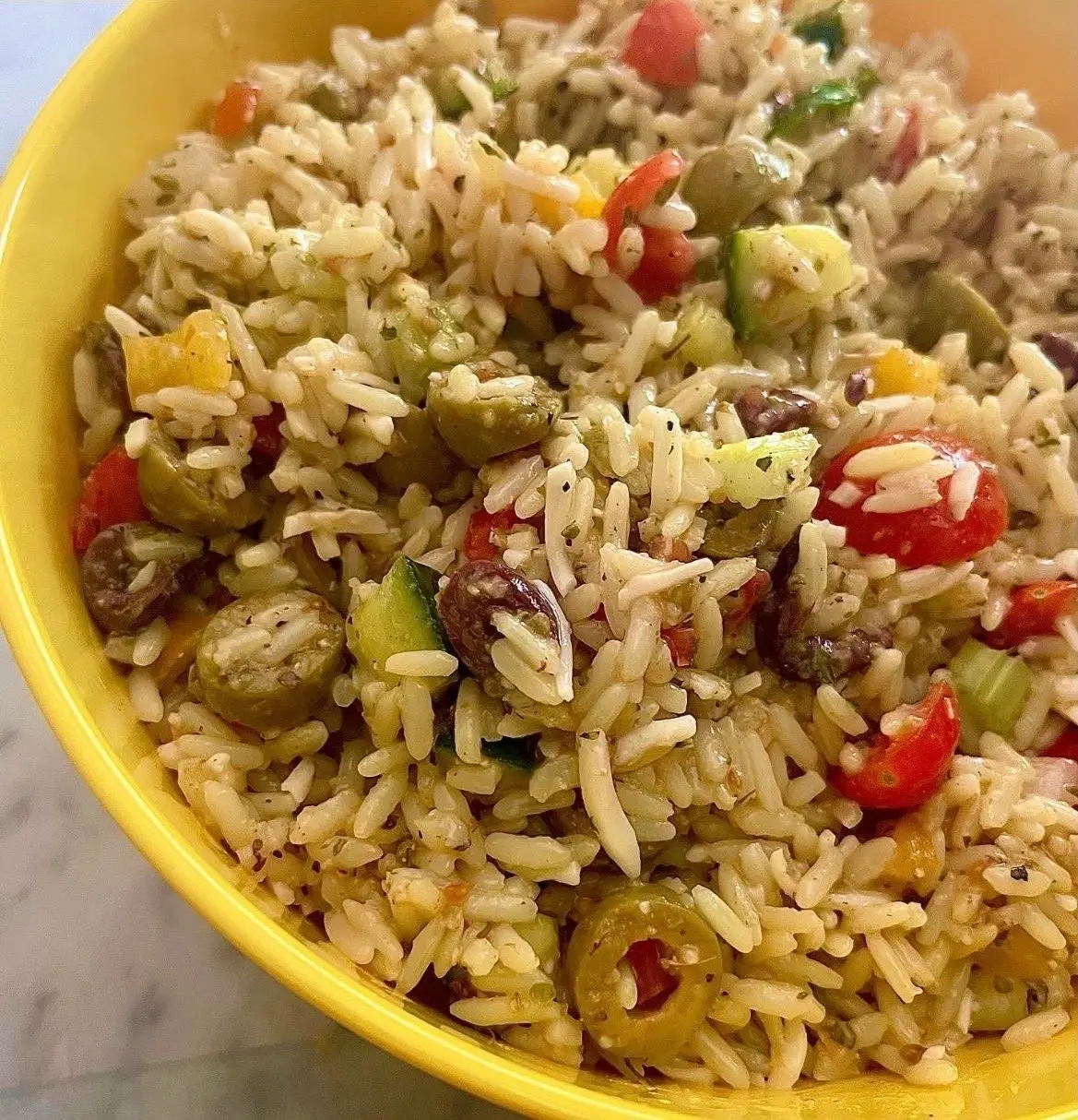
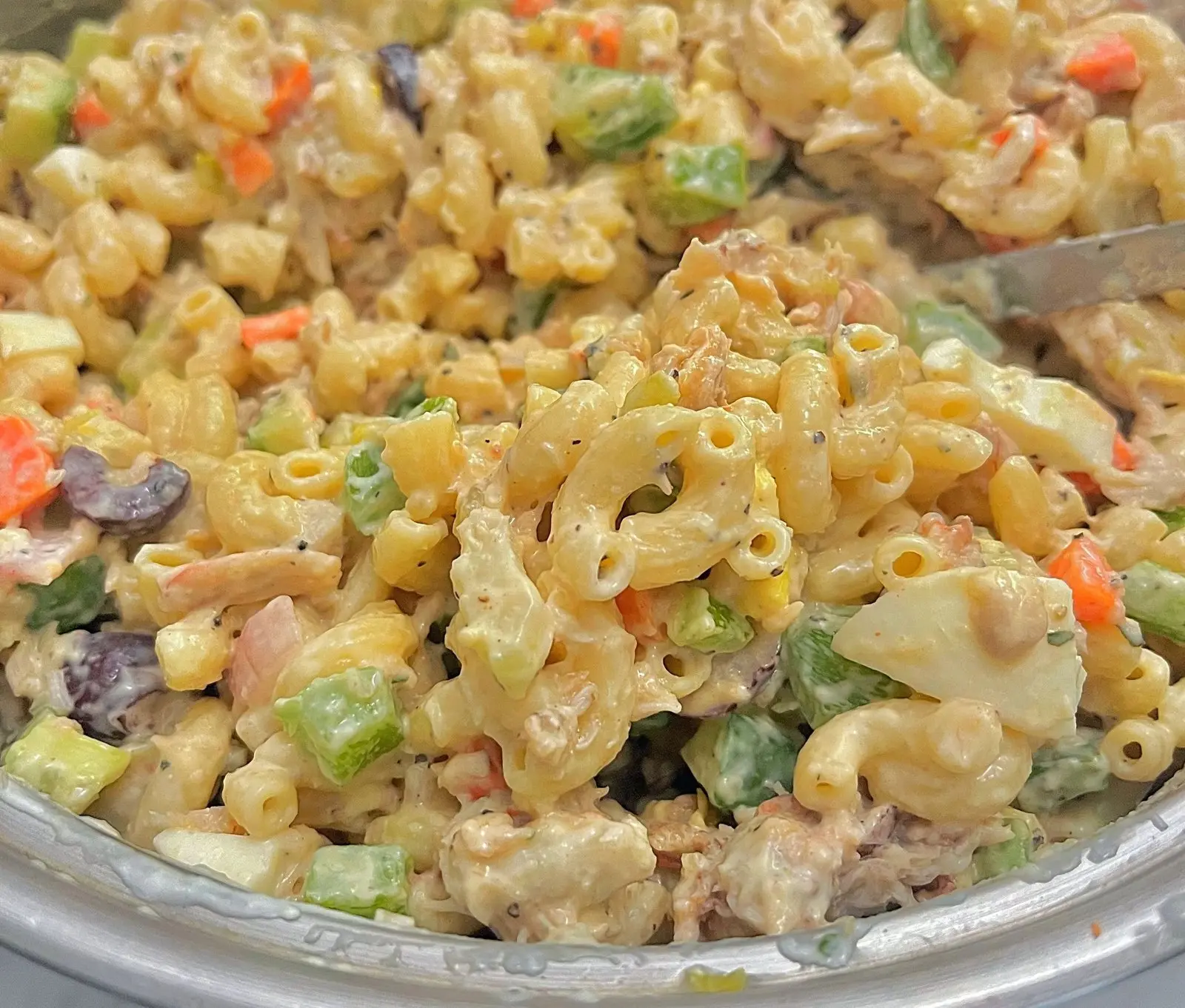
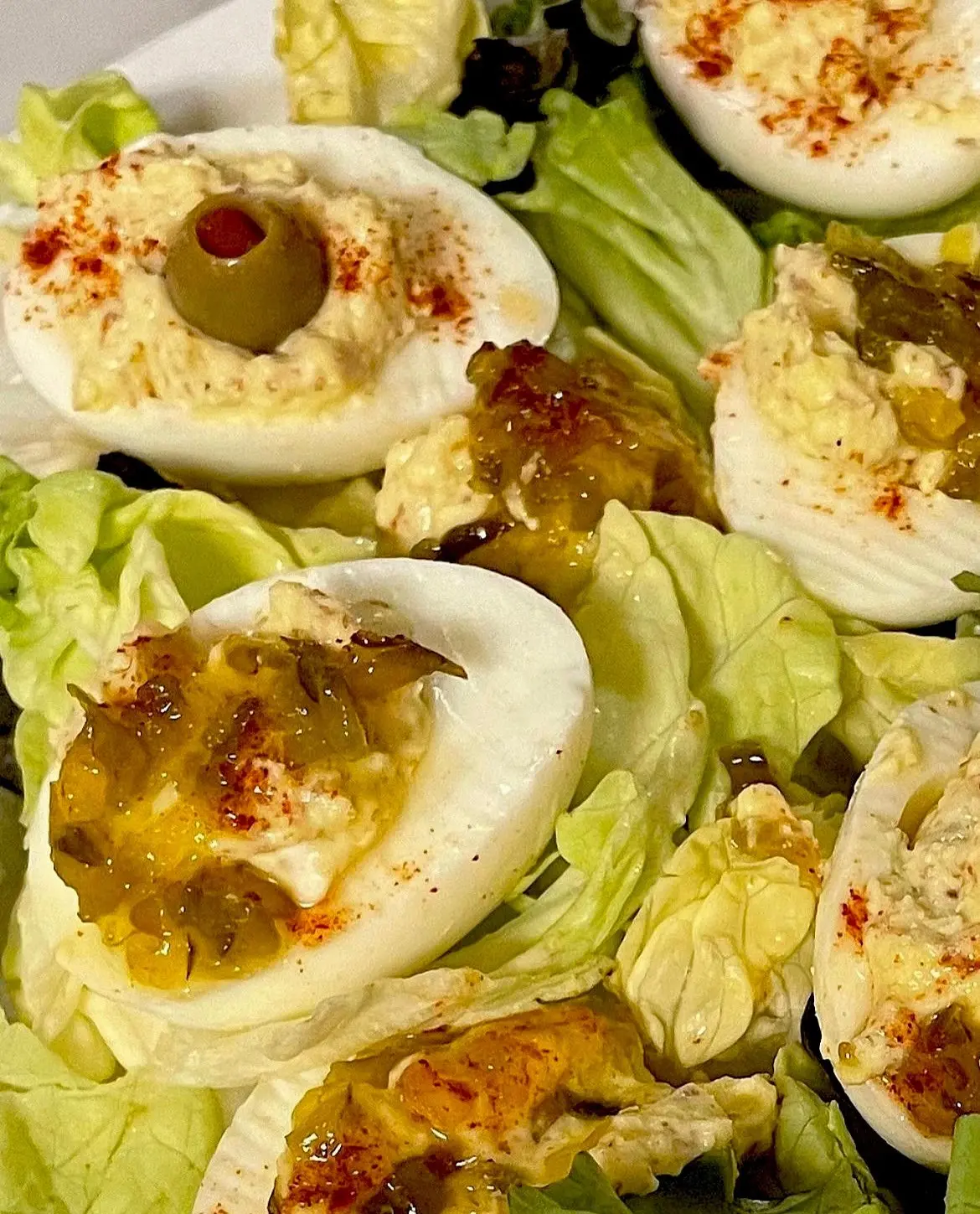
The cool counterpoint to smoke, spice and gravy: marinated vegetables, composed salads, potato salad, coleslaw and deviled eggs.
10 / The archive
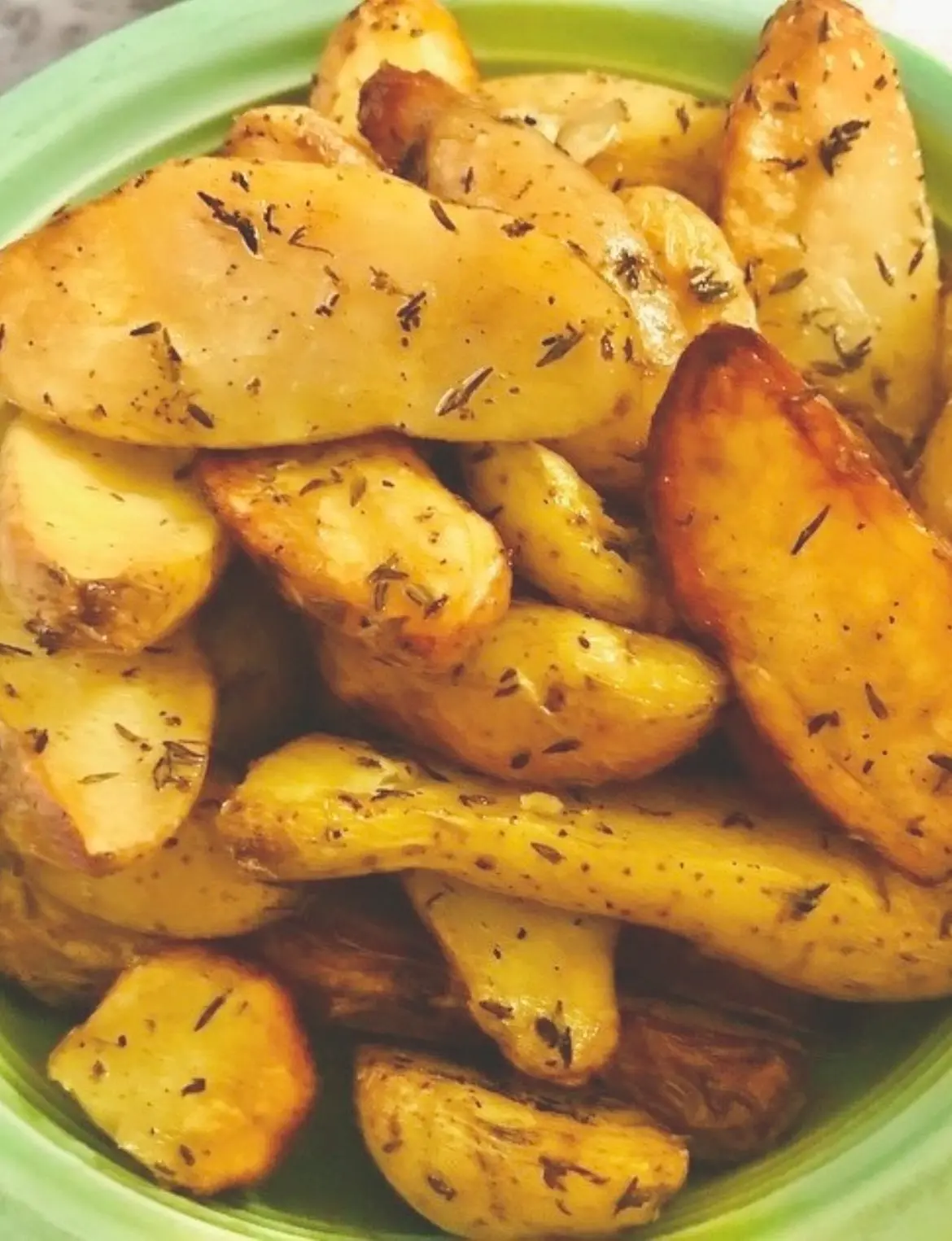
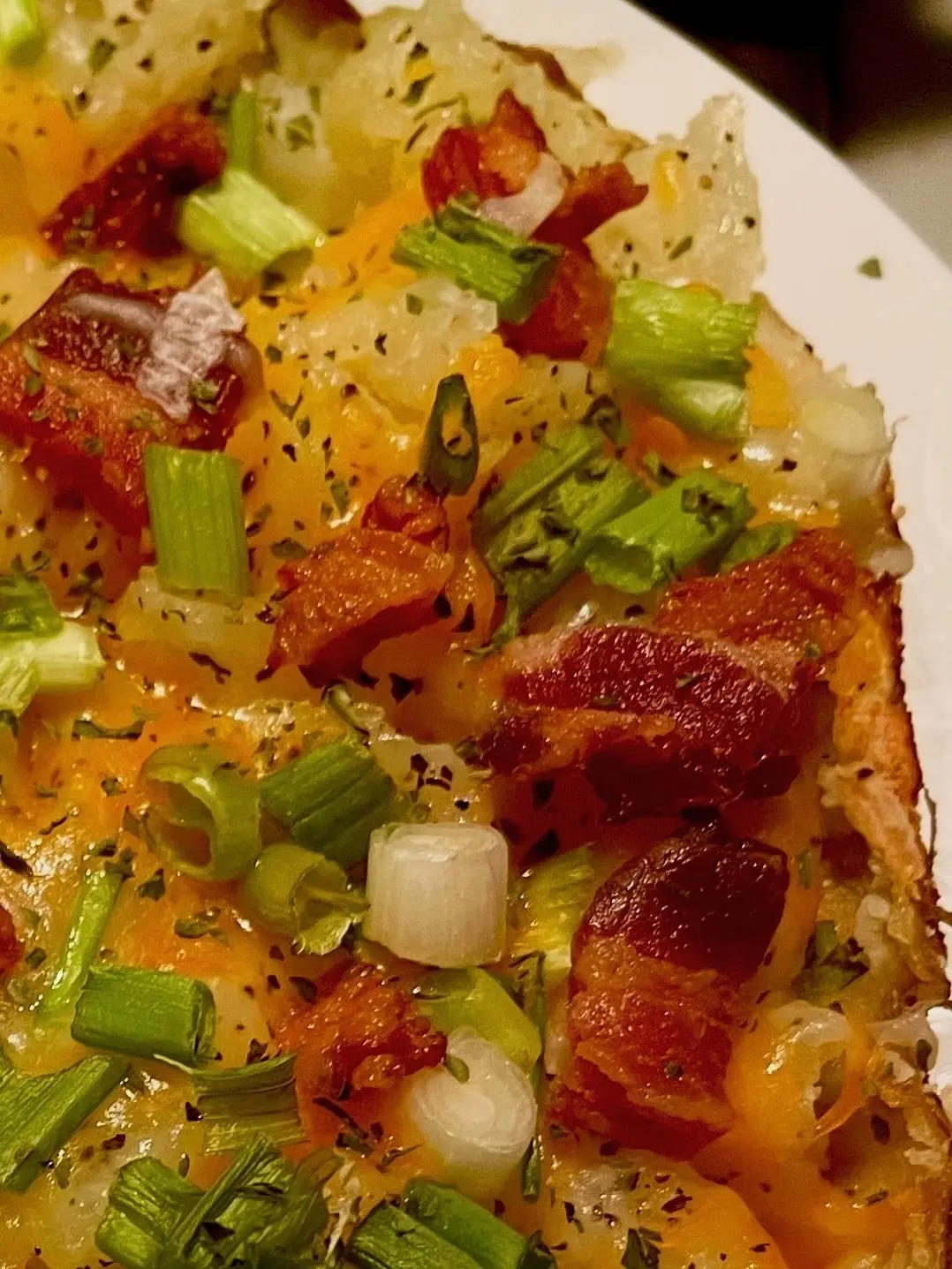
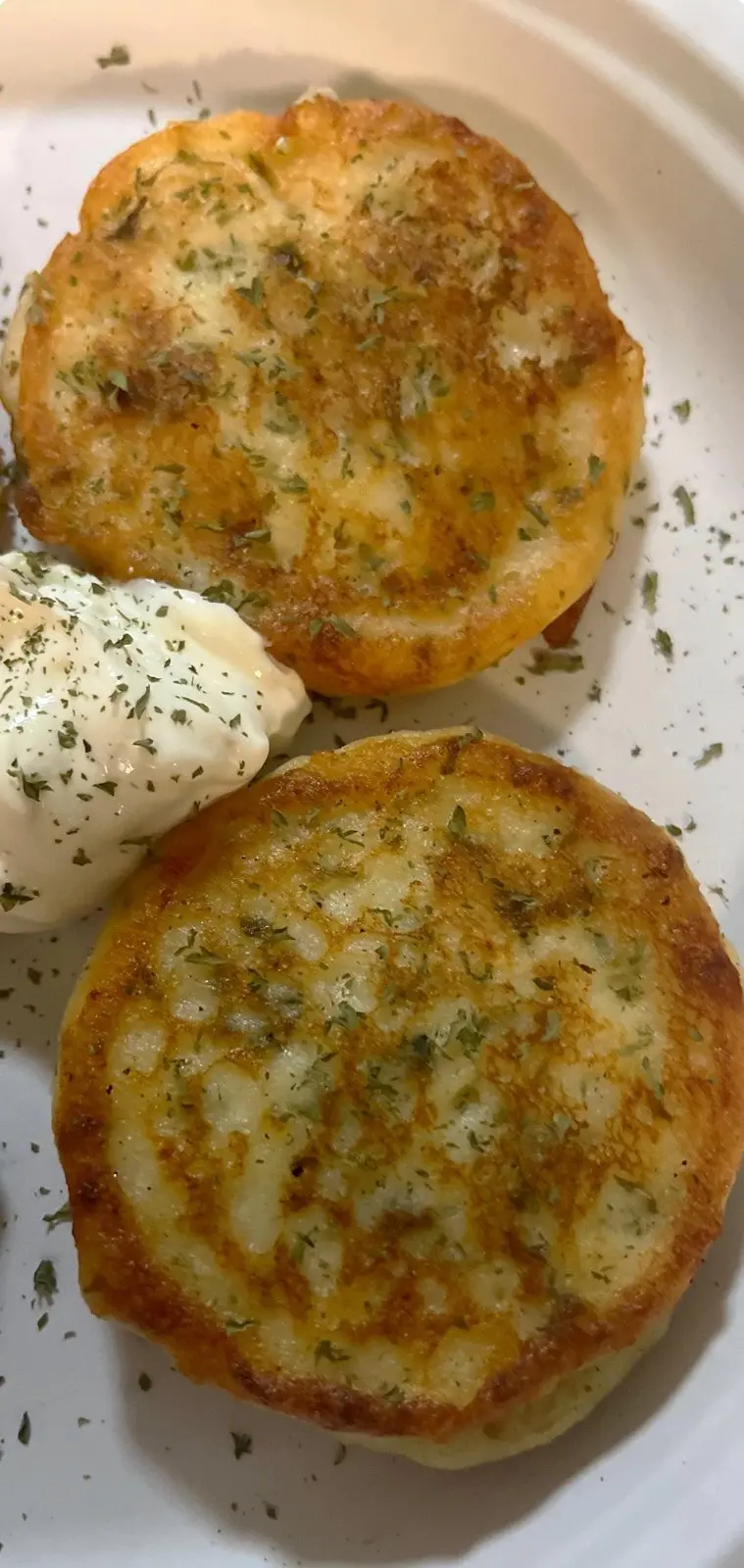
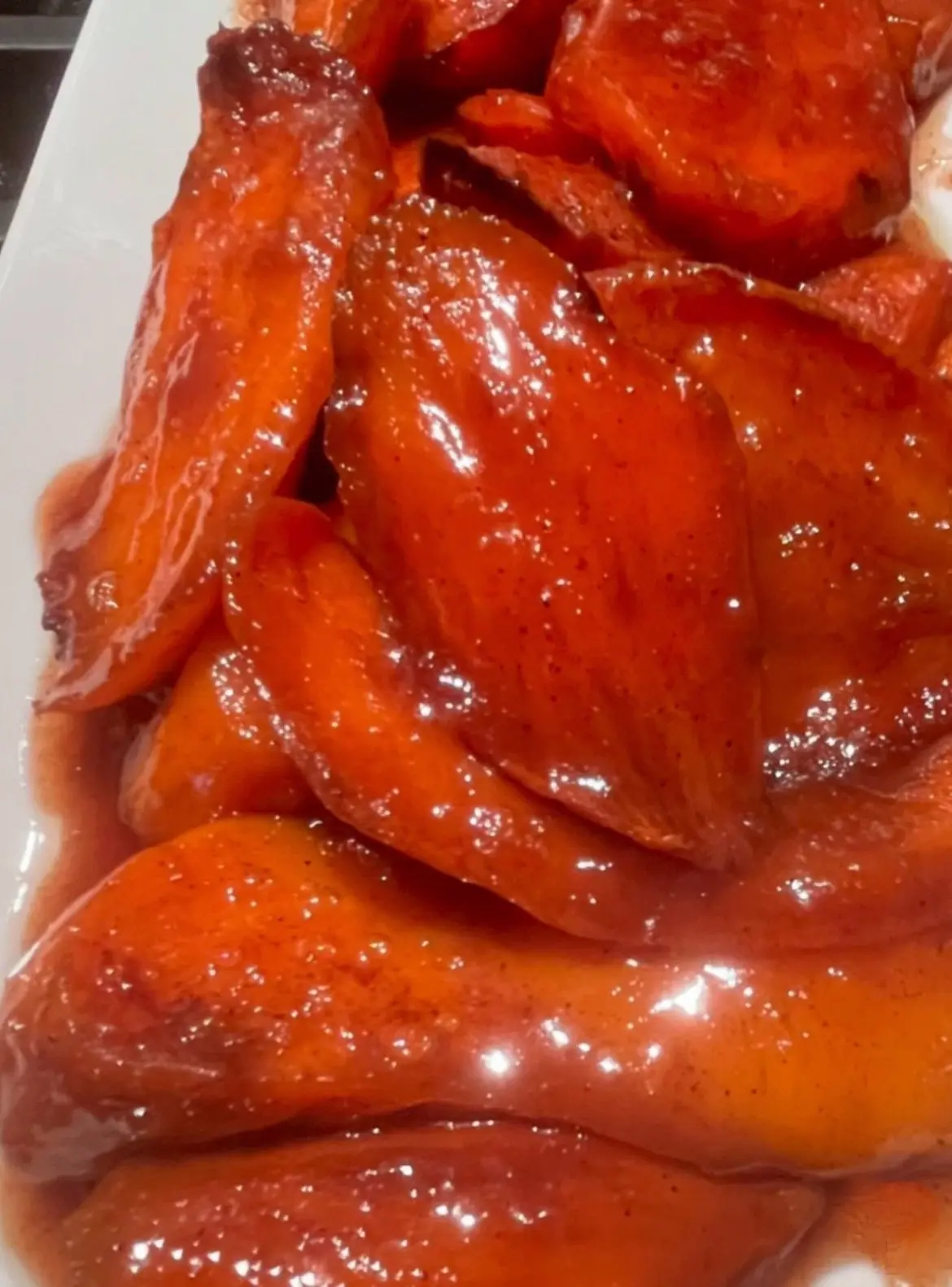
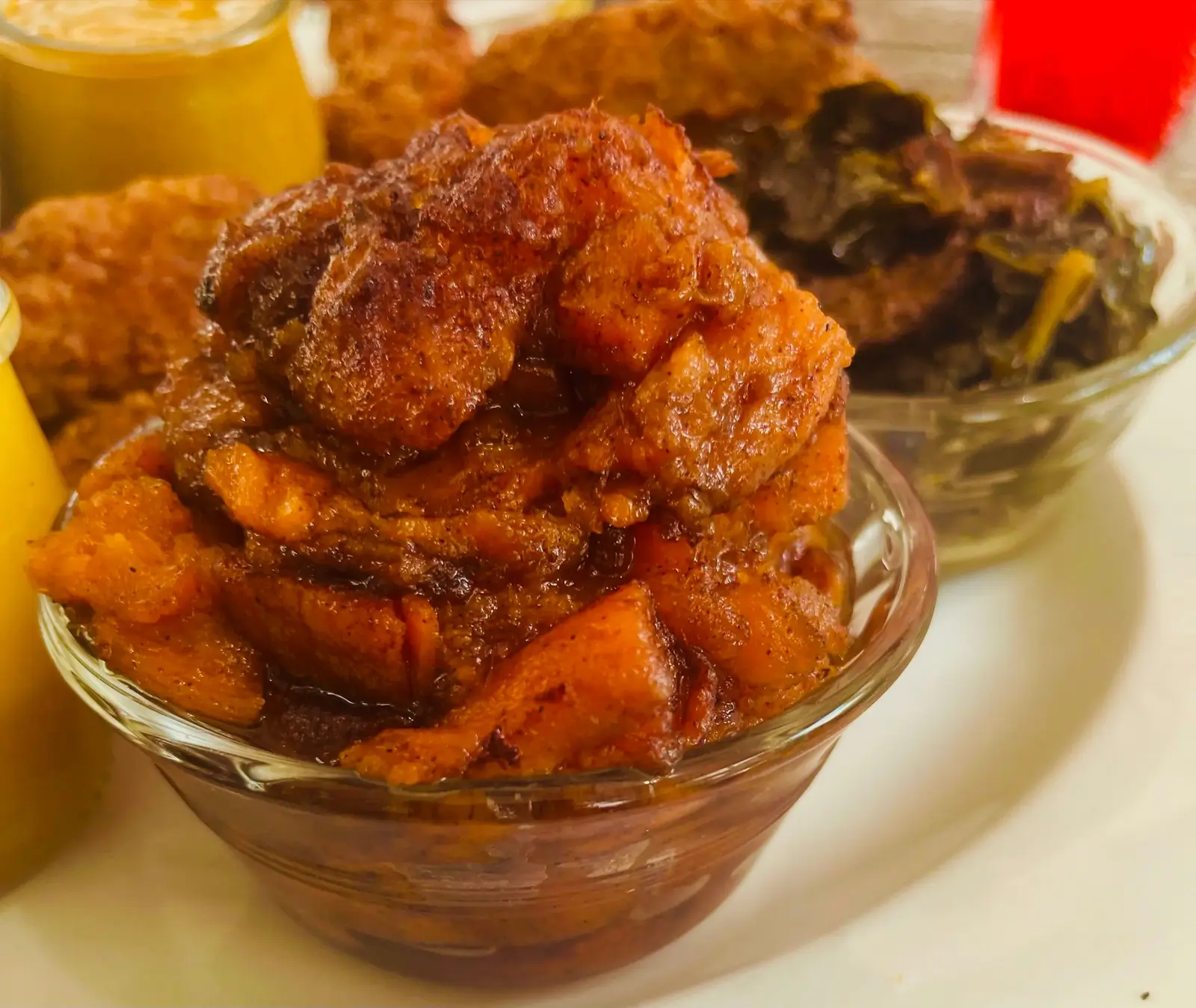
Roasted wedges, loaded skins, crisp potato pancakes and candied yams. Two photographs of the yams are held together as one entry.
11 / The archive
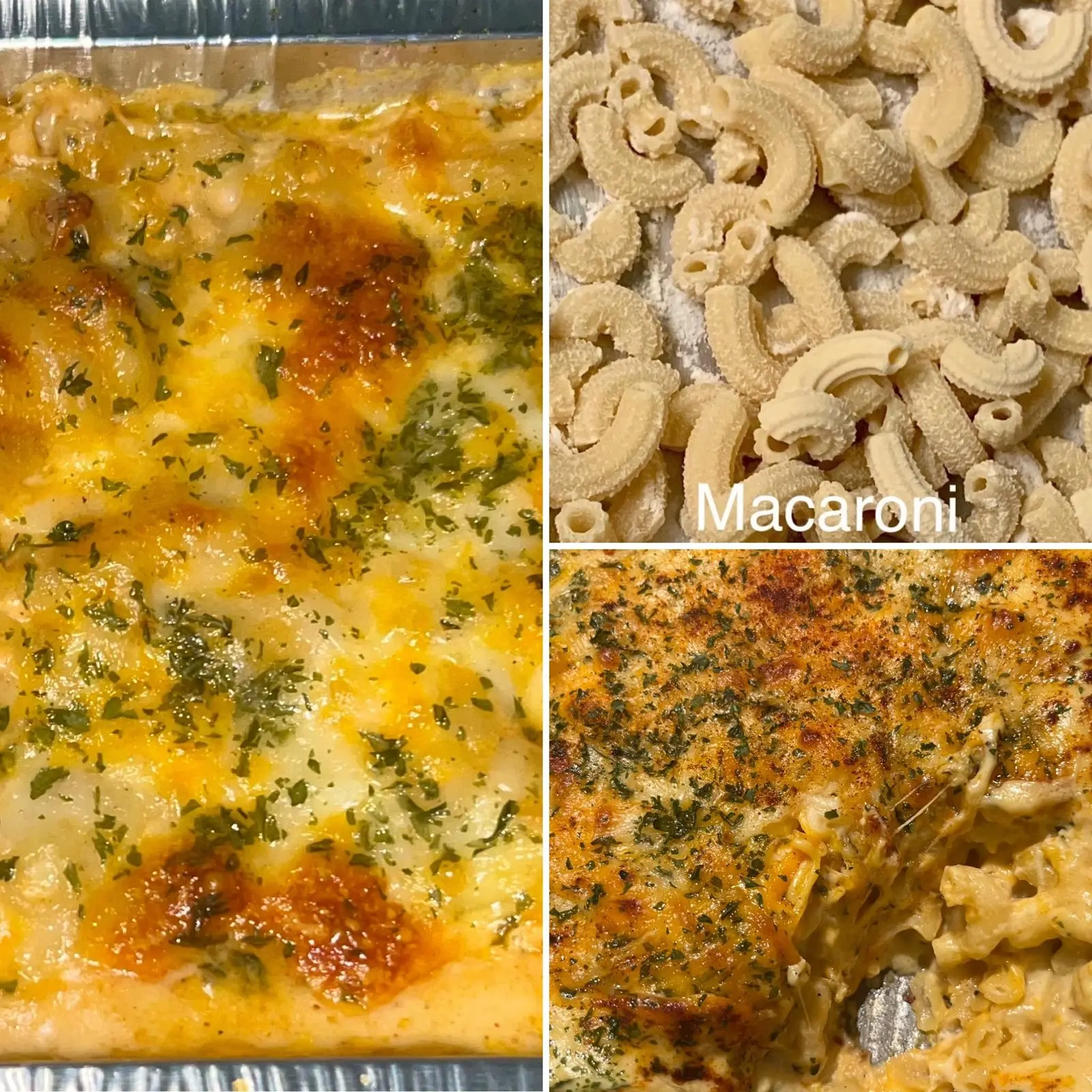
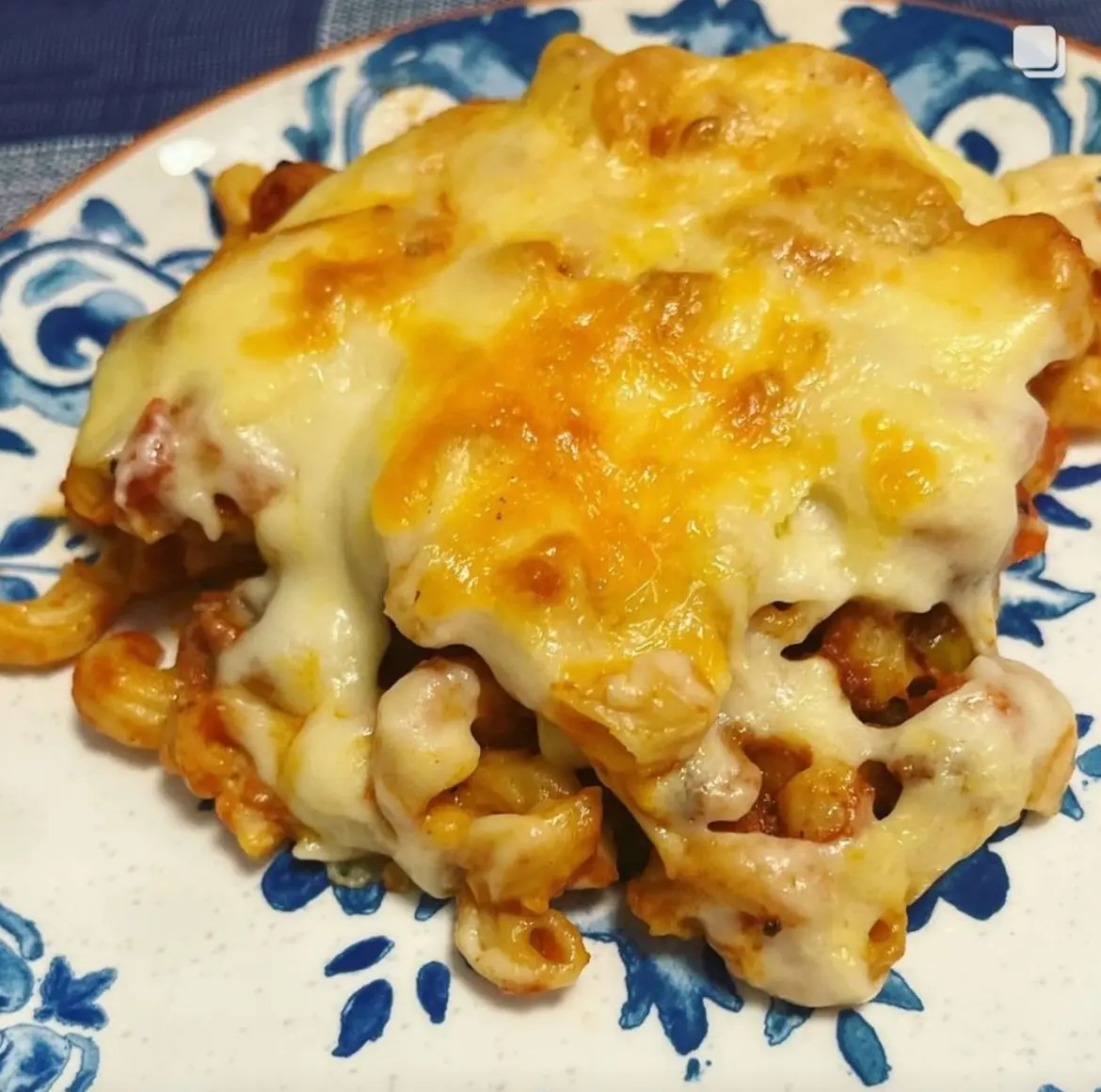
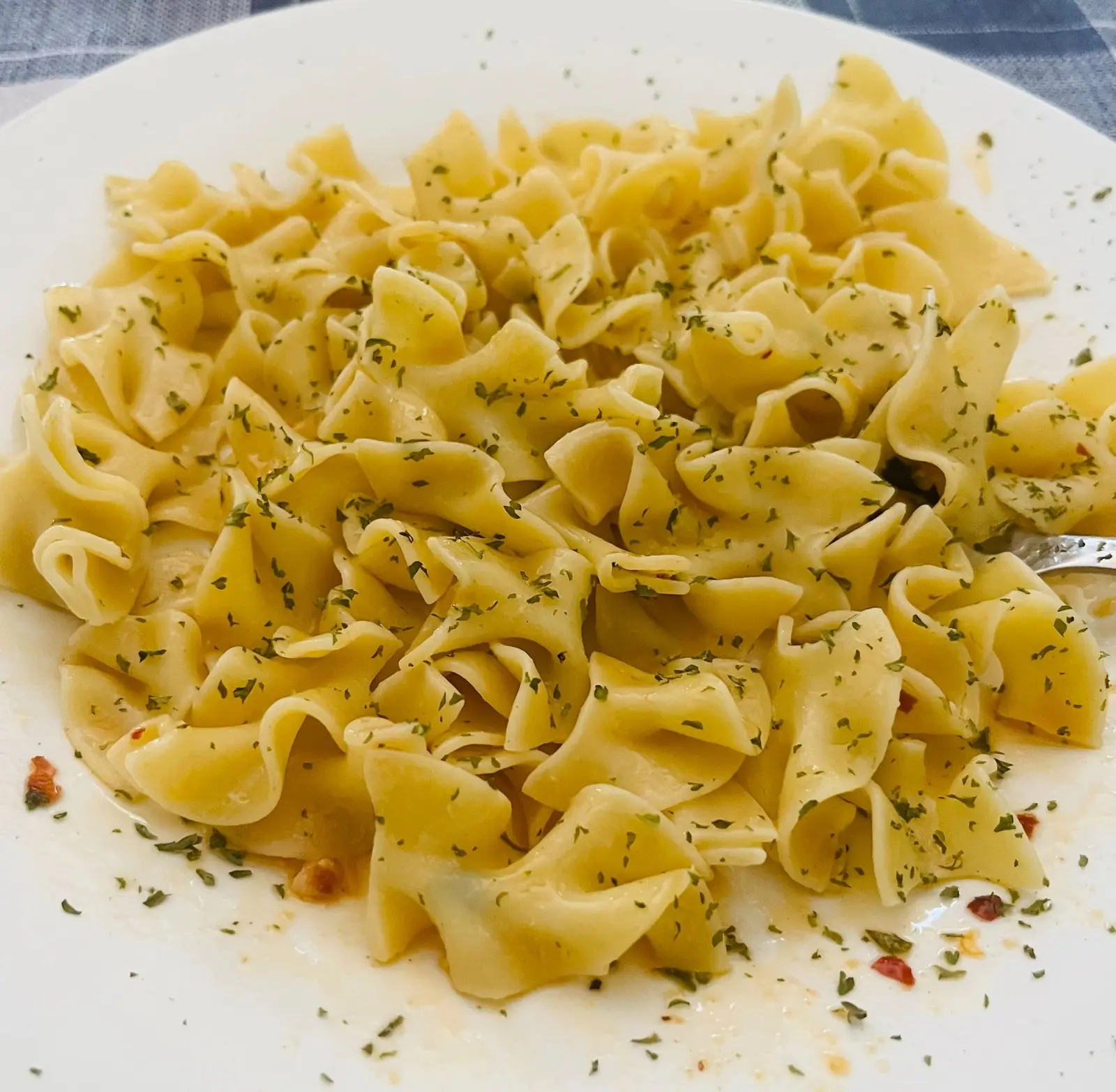
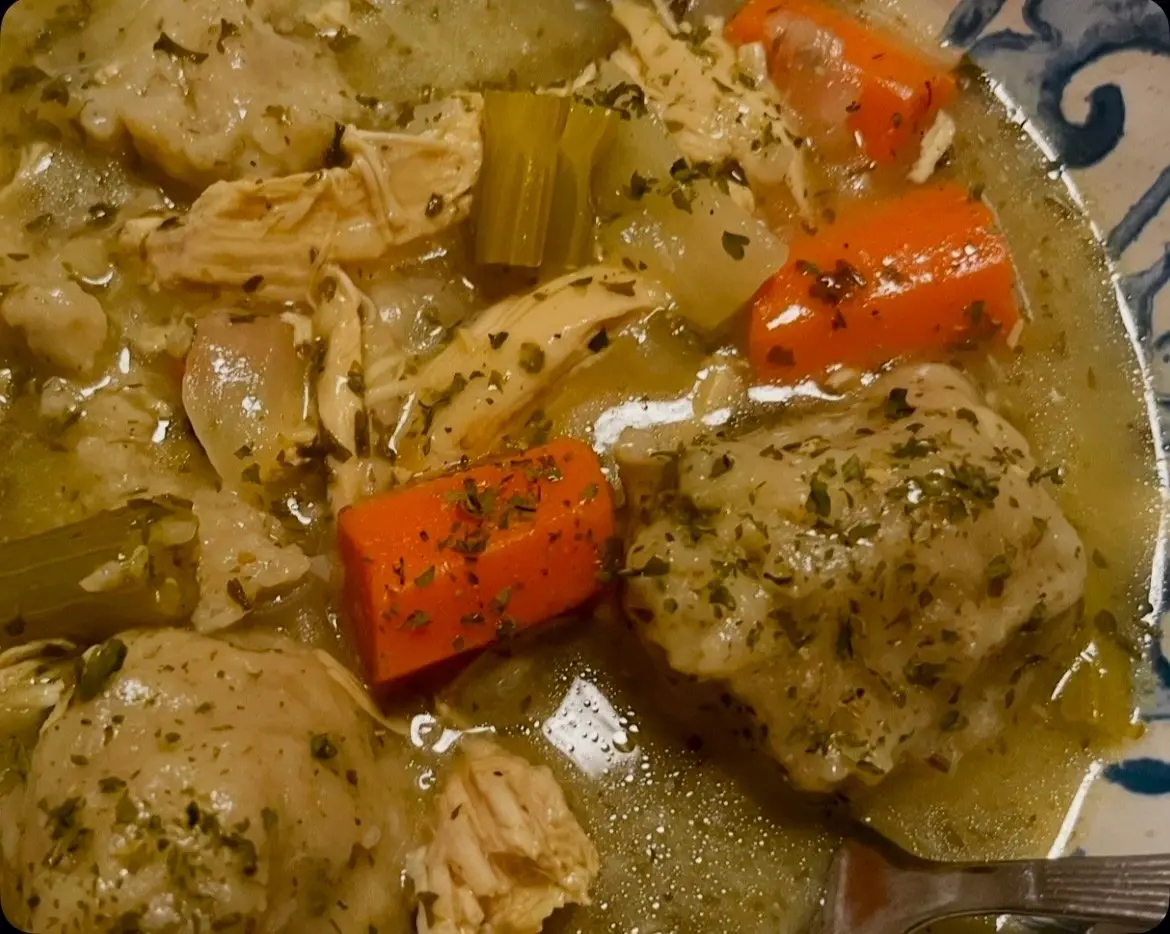
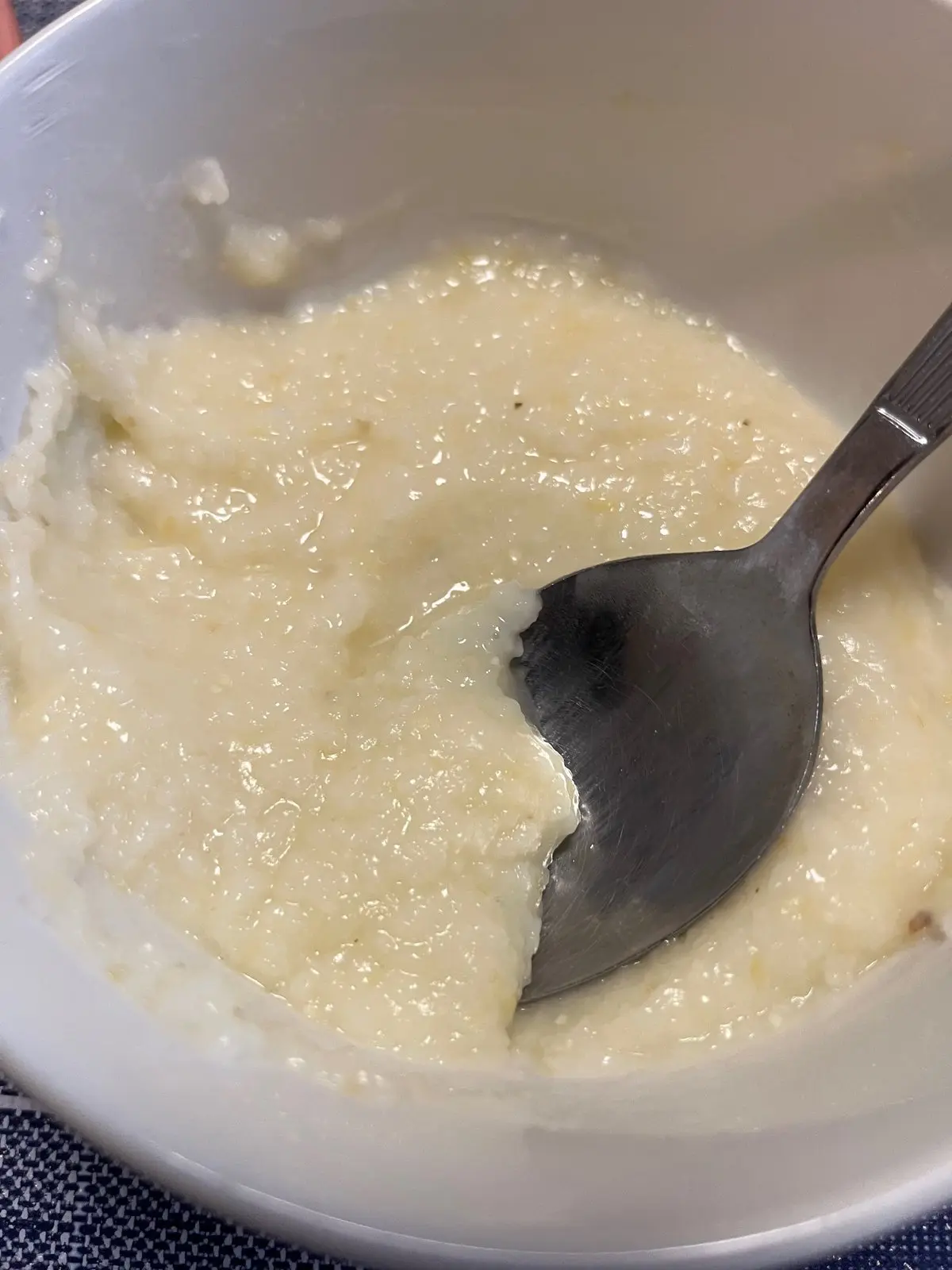
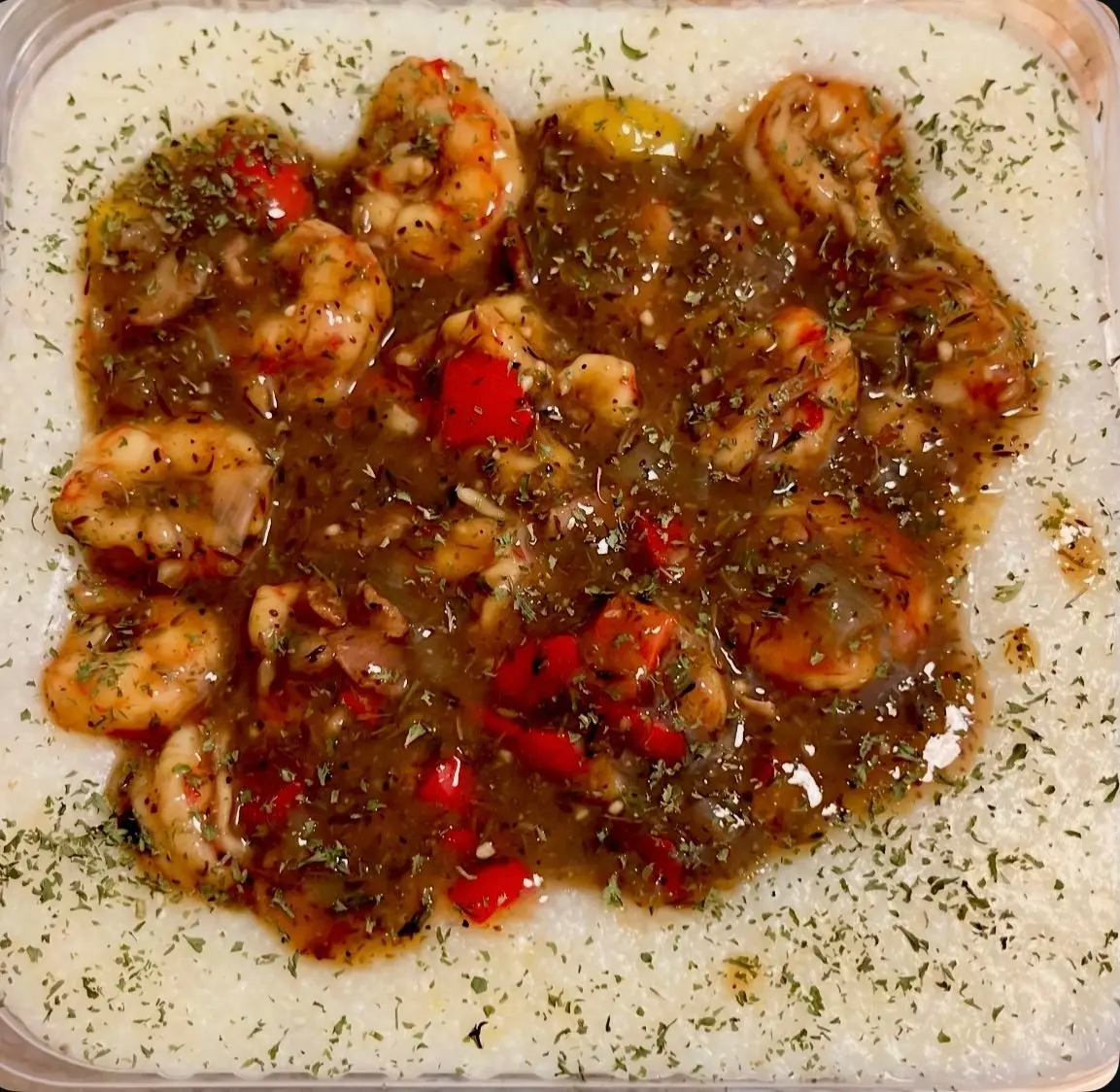
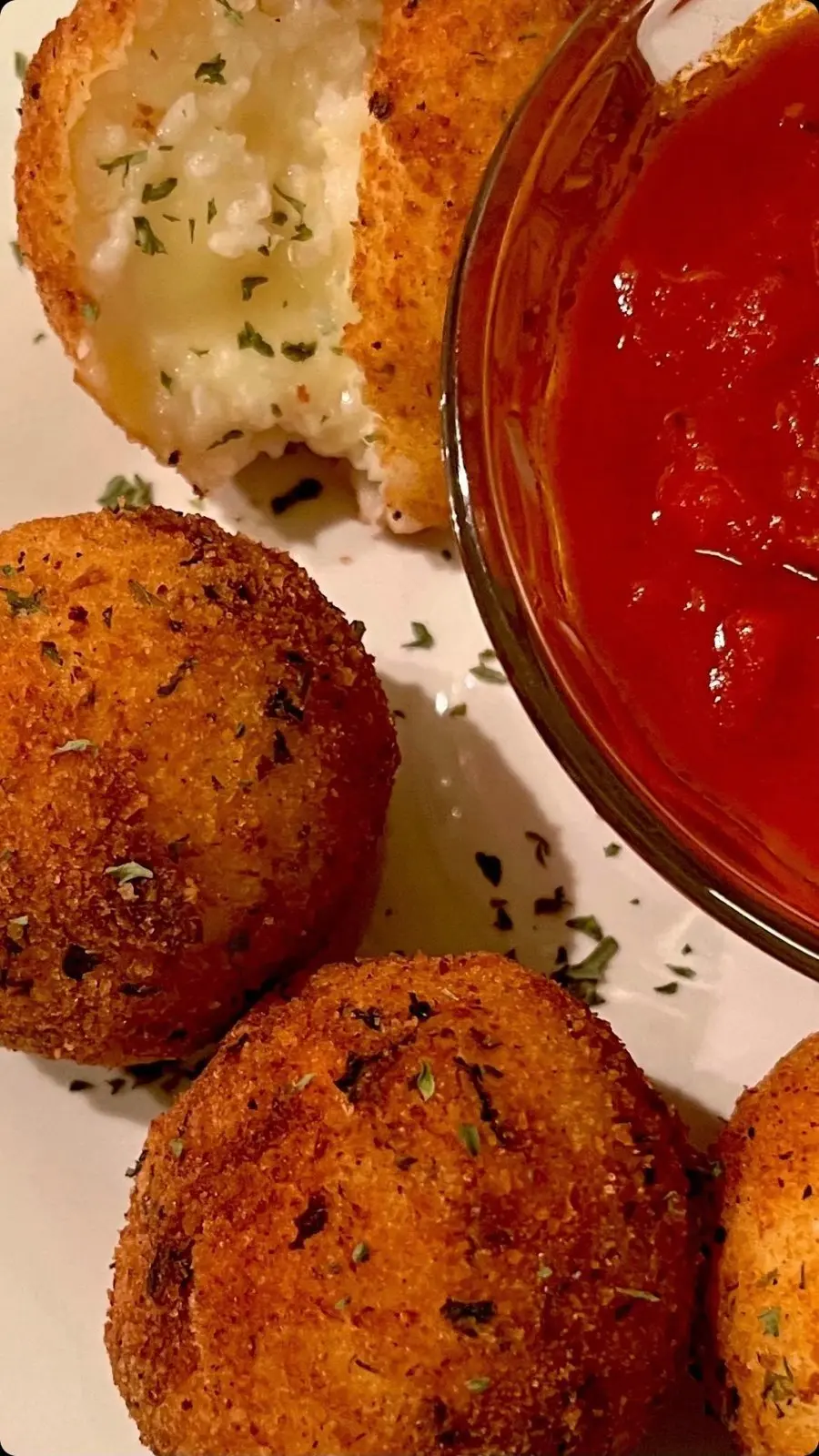
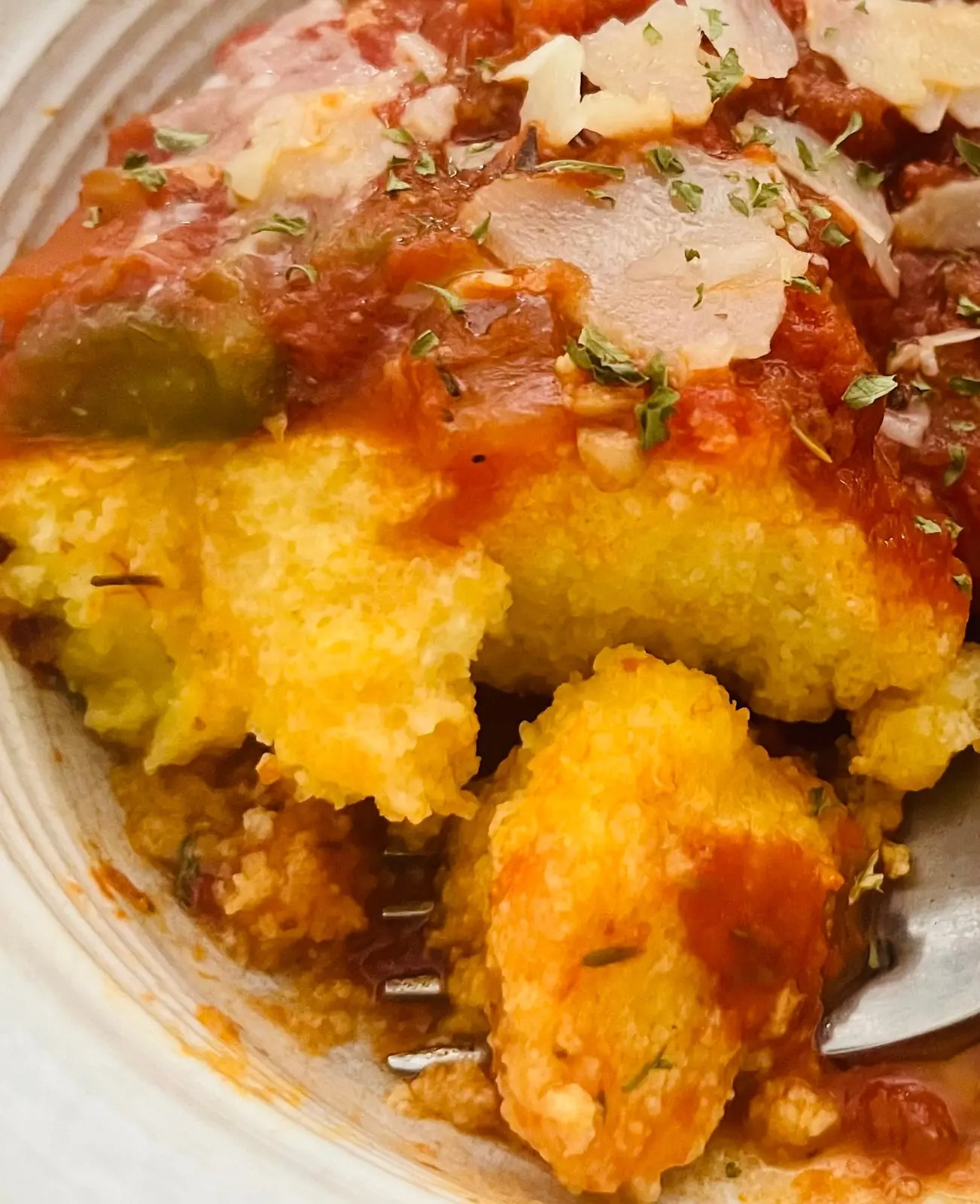
Baked macaroni, homemade noodles, a pot of chicken and dumplings, and grits in soft and crisp forms. These dishes record how texture becomes part of a cook’s vocabulary.
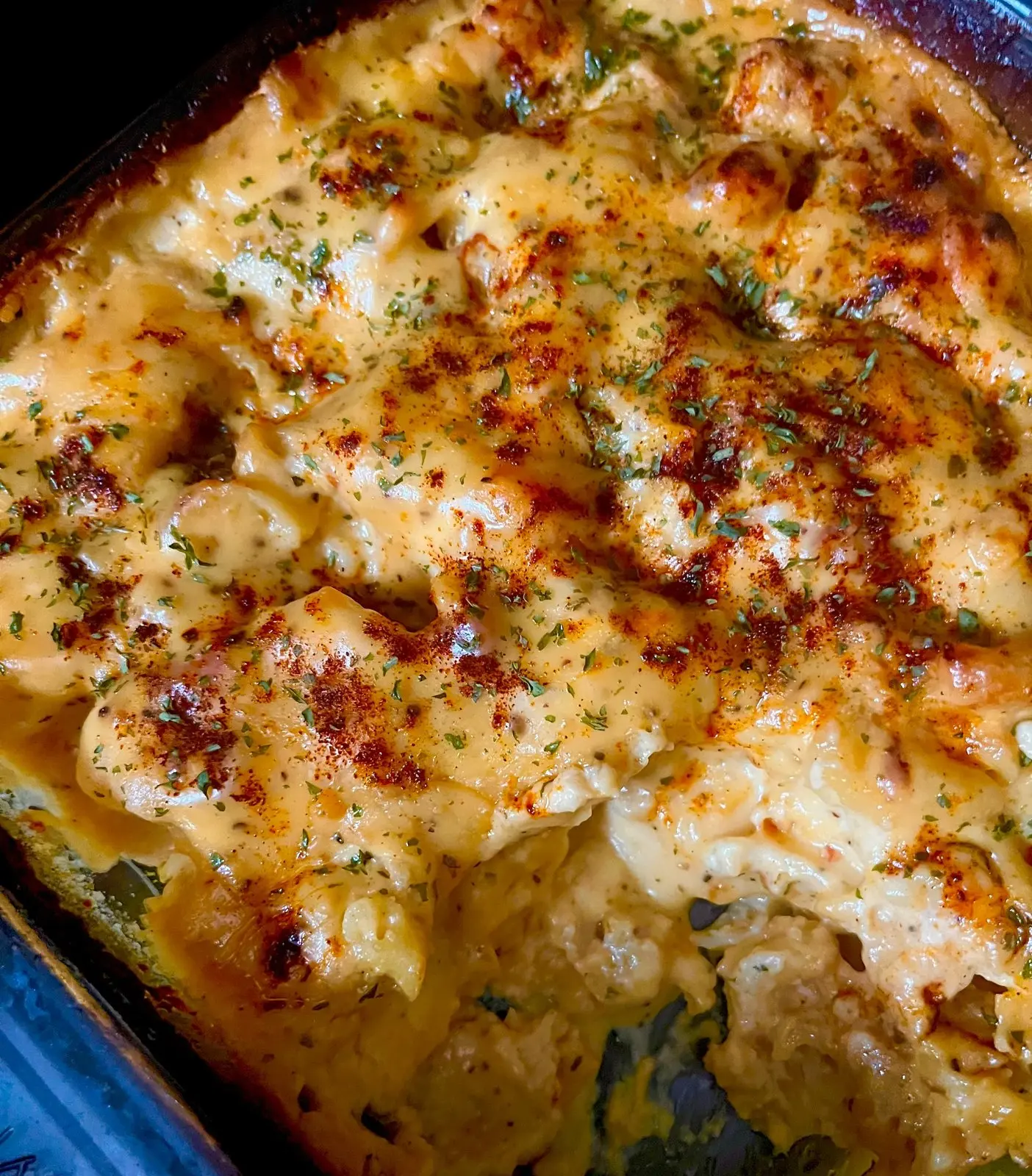
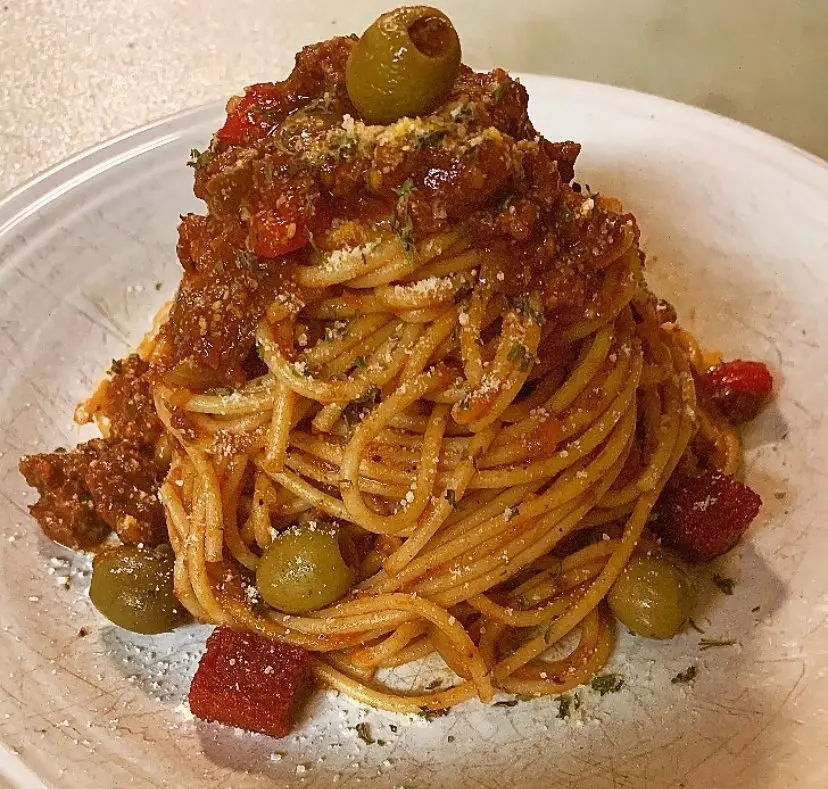
Meat sauce with ground beef, andouille and ham.
12 / The archive
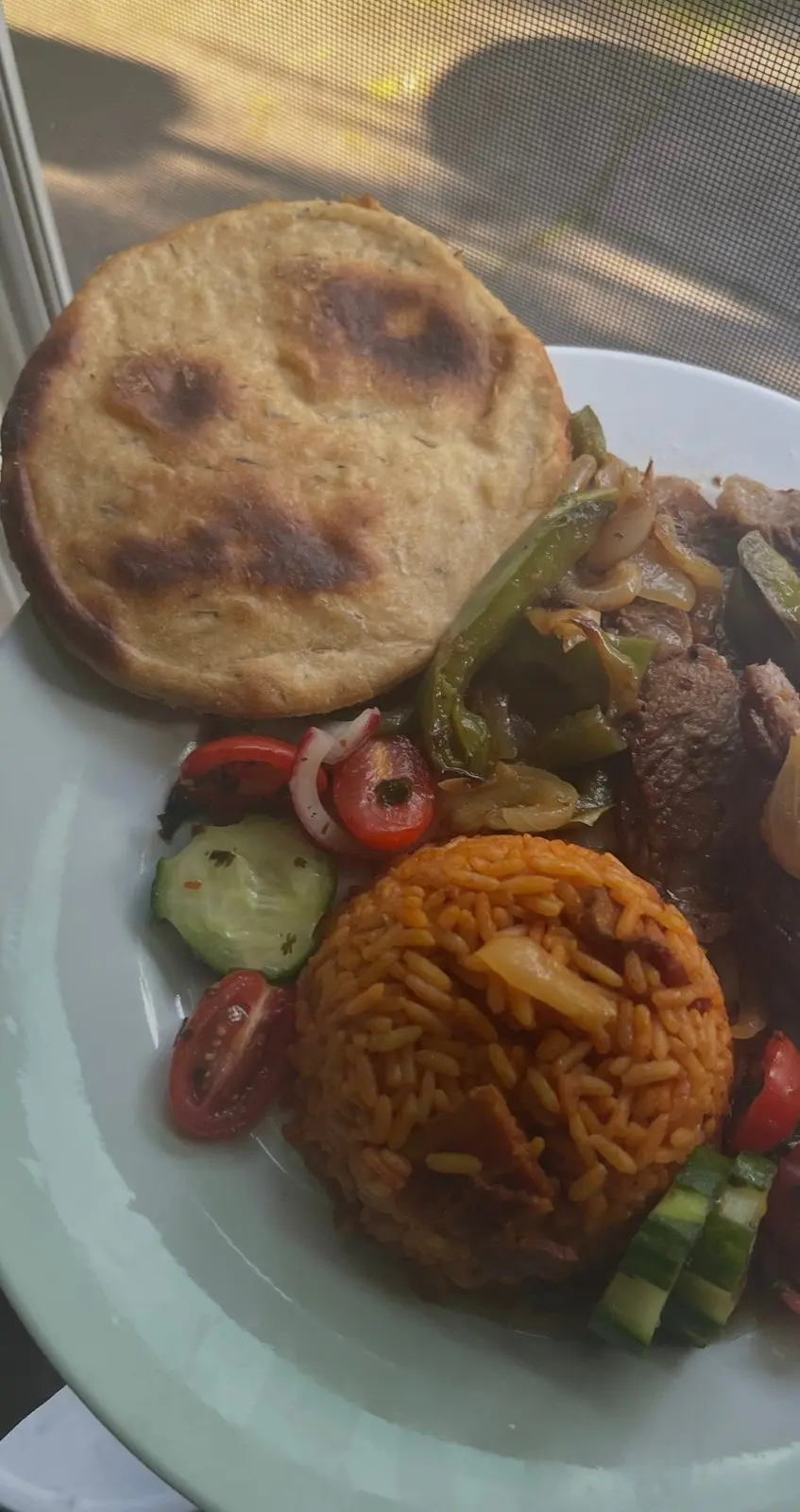
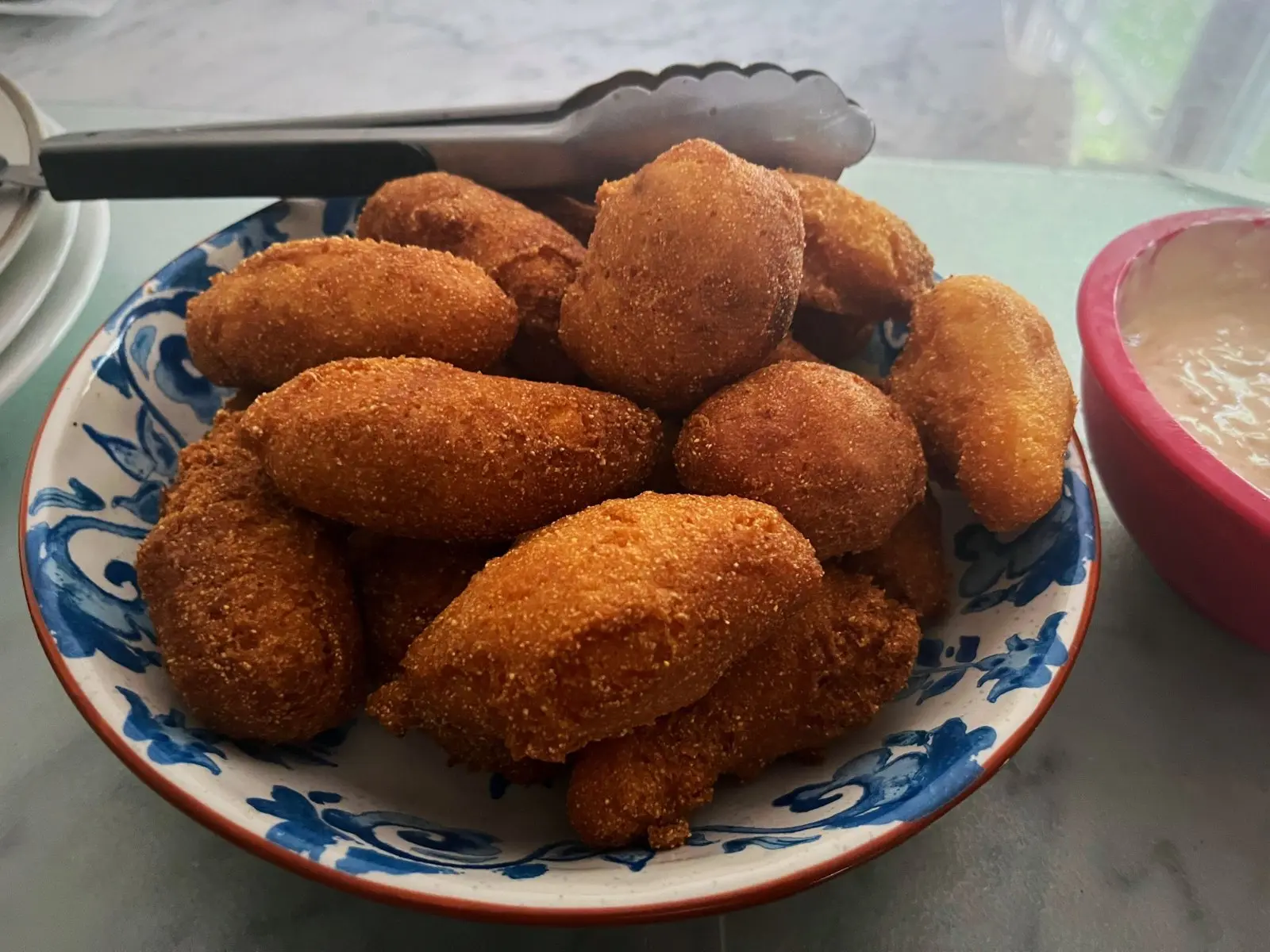
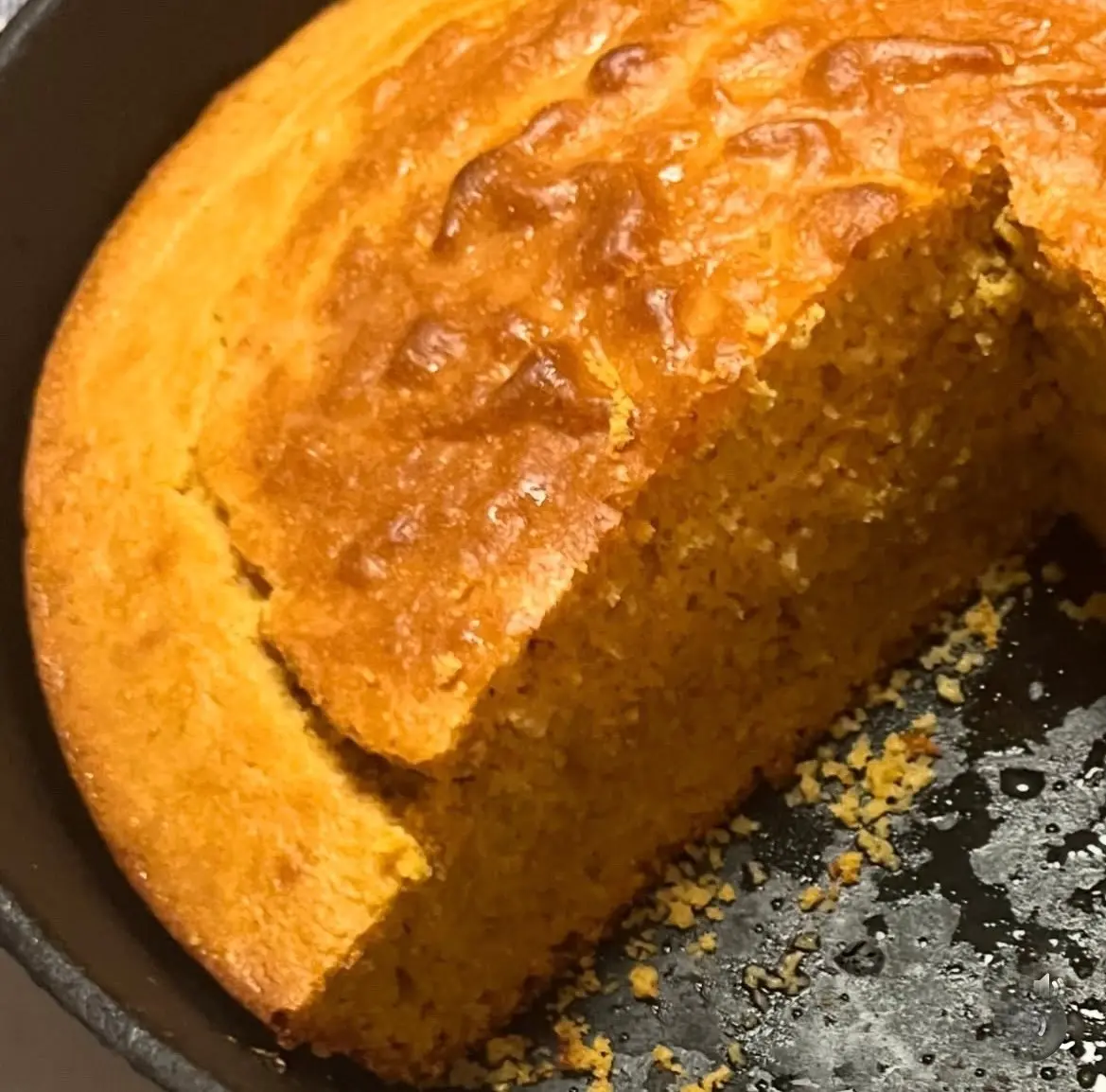
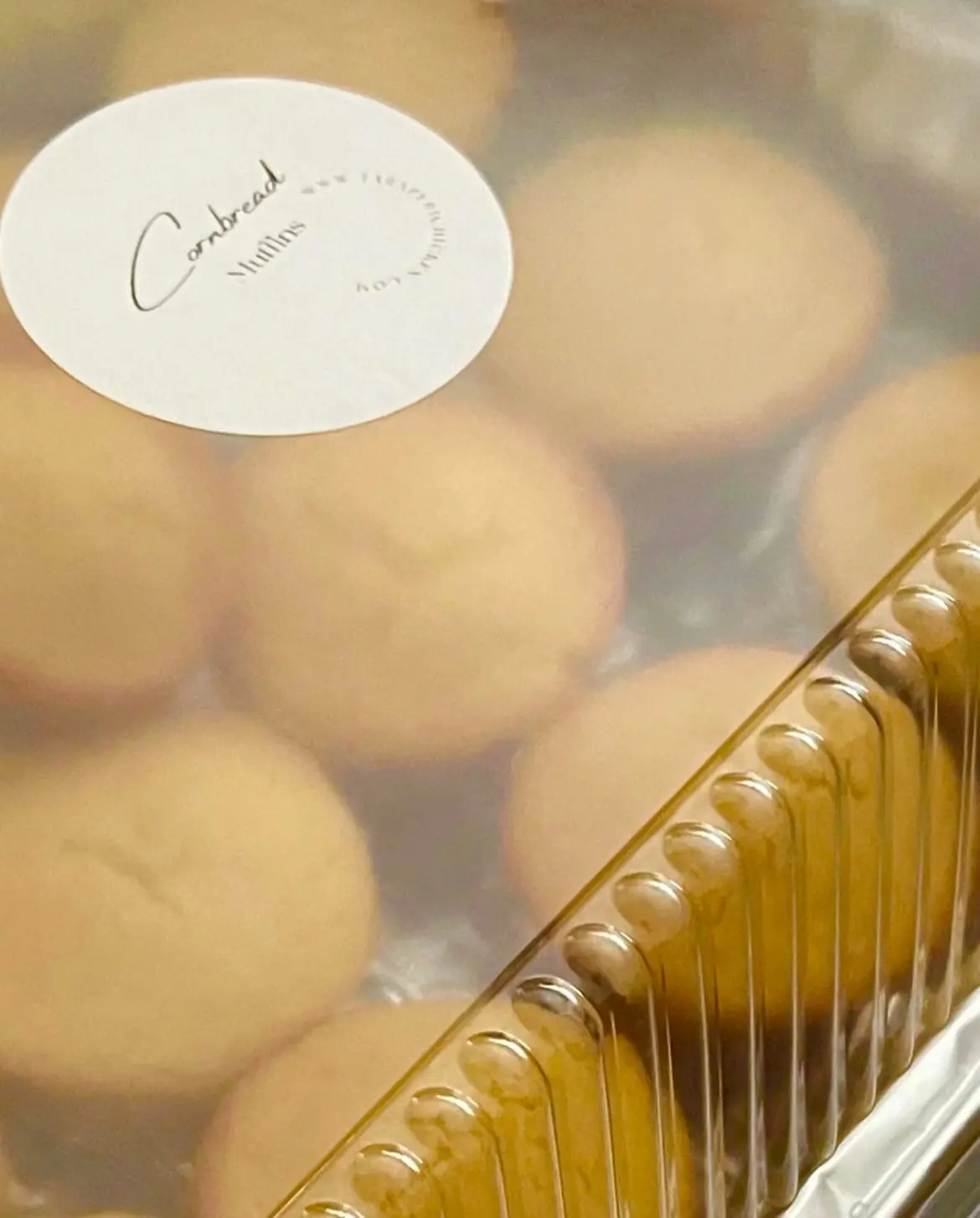
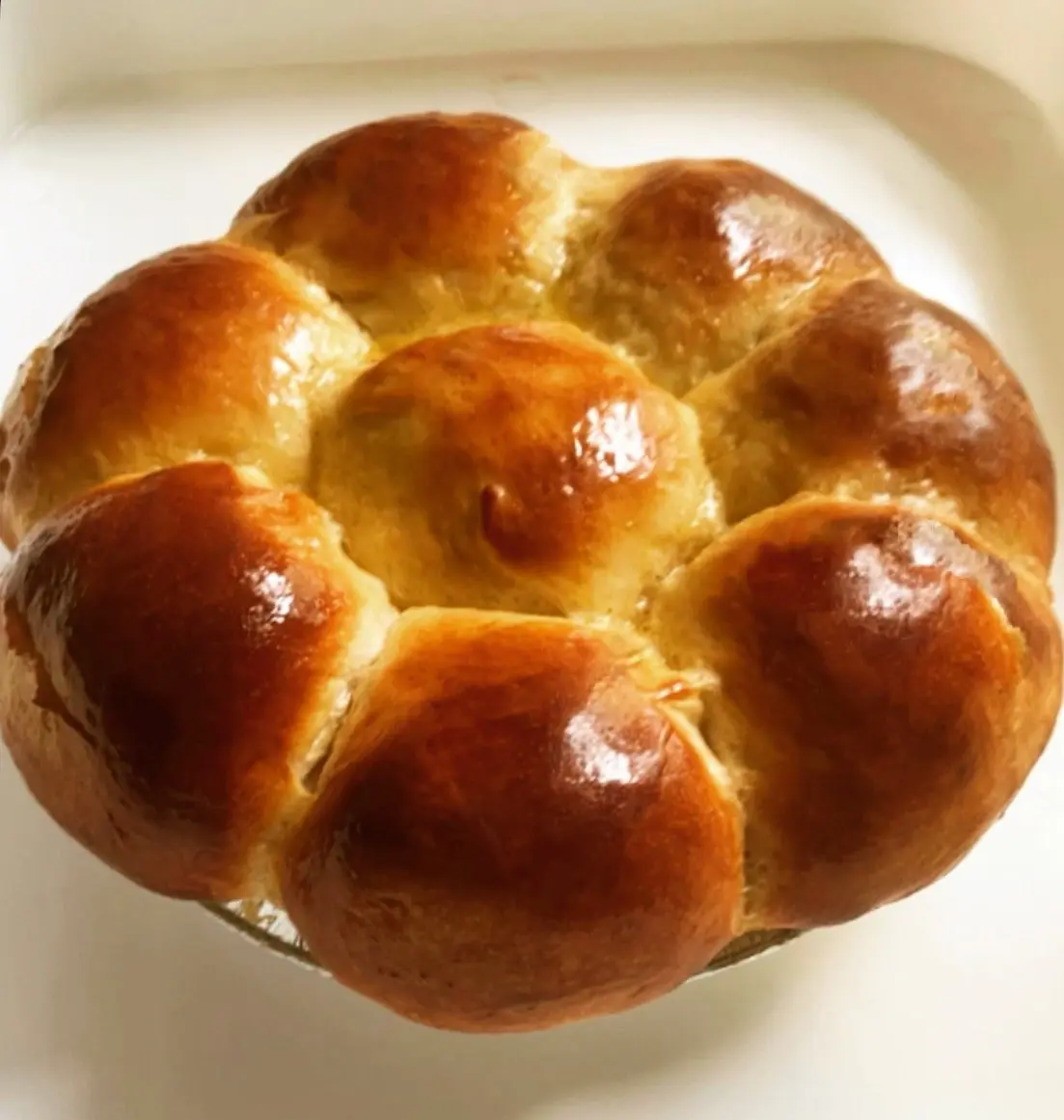
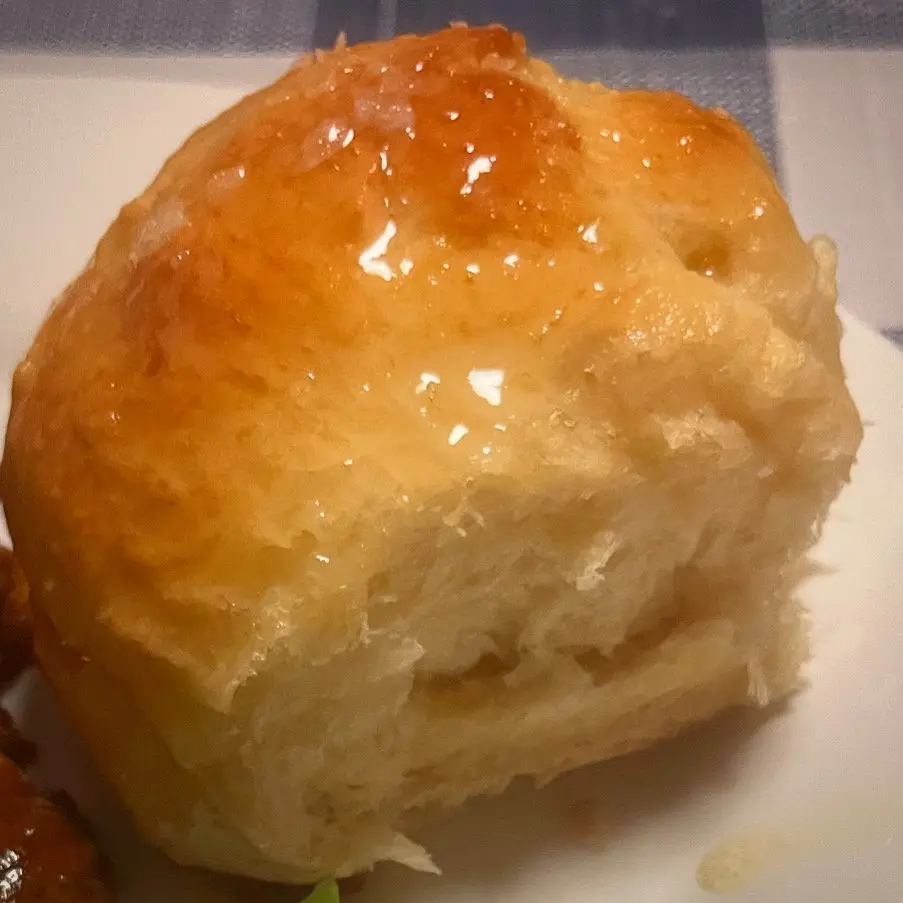
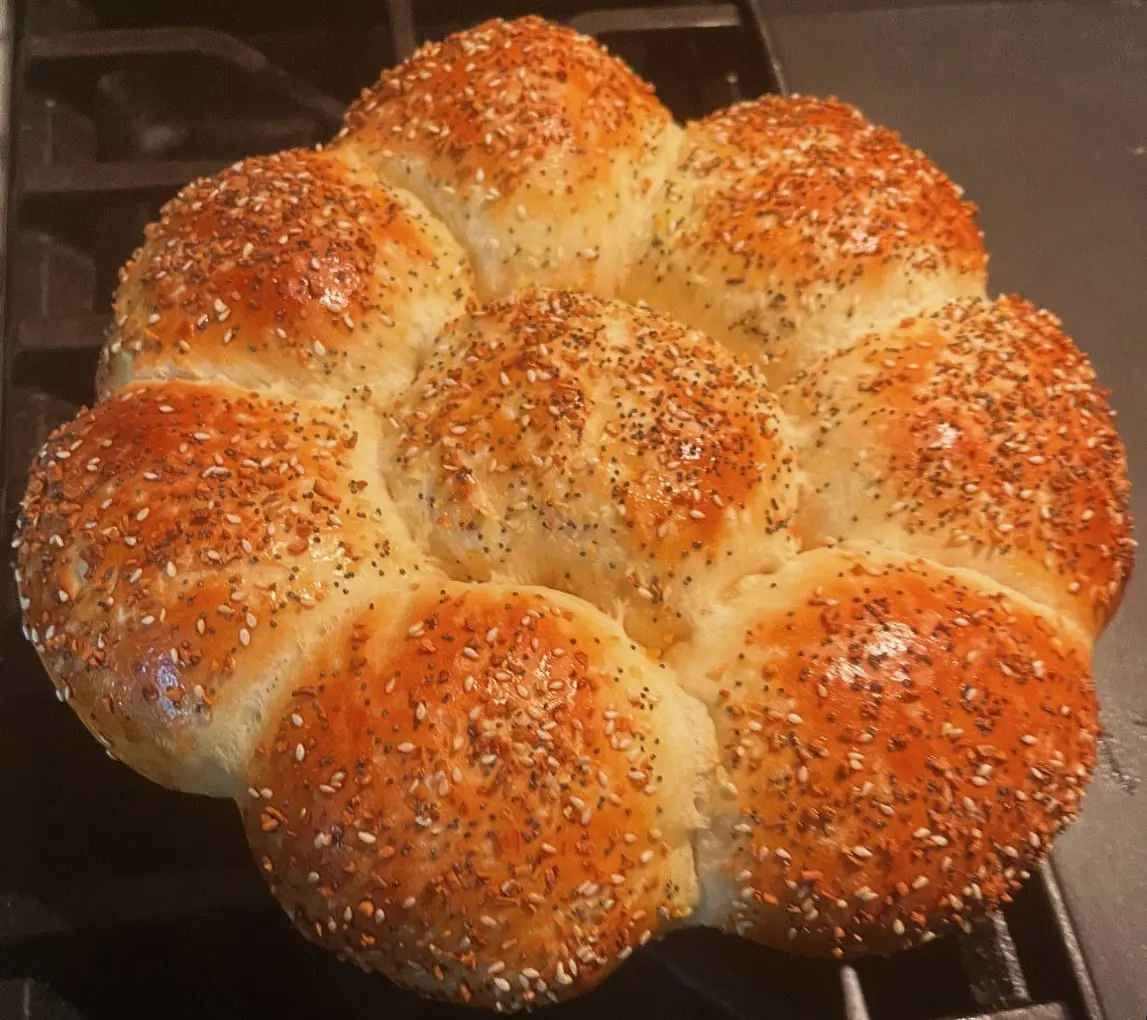
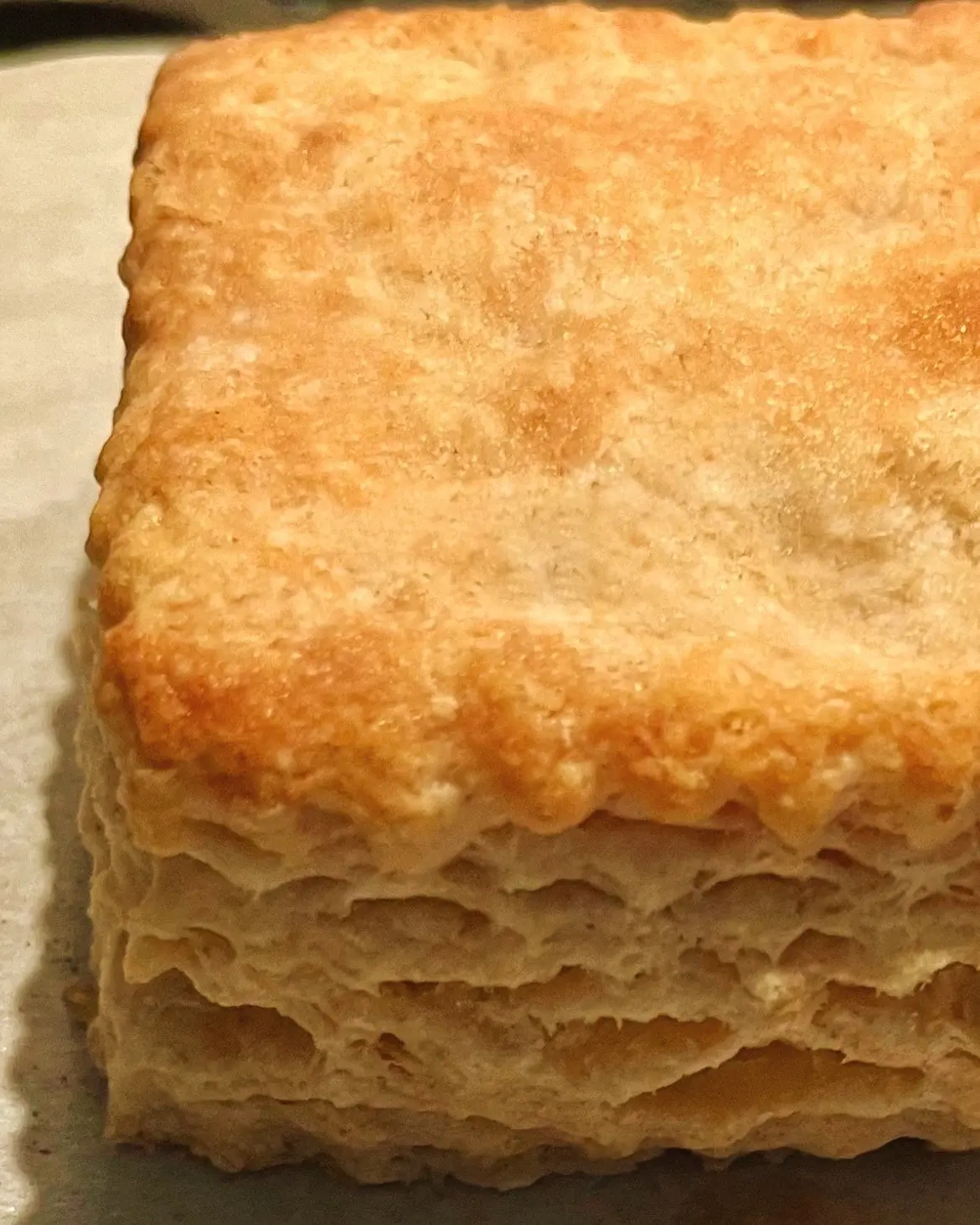
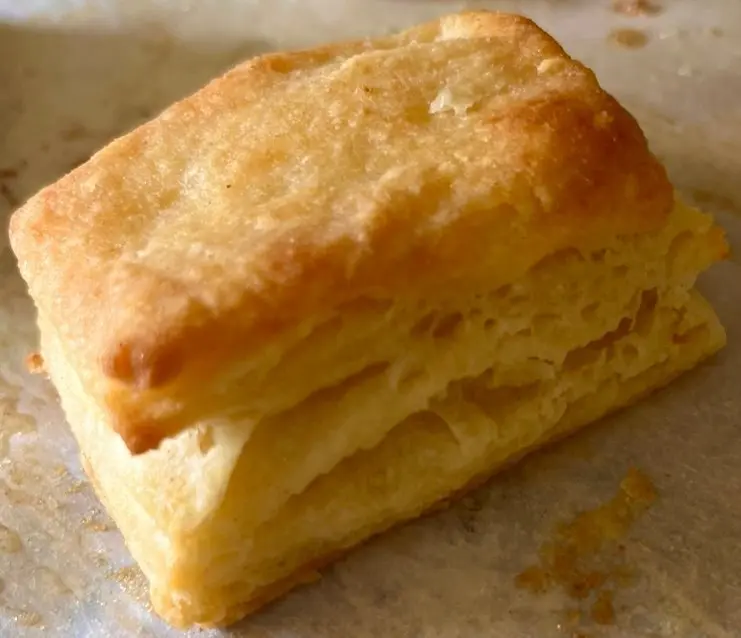
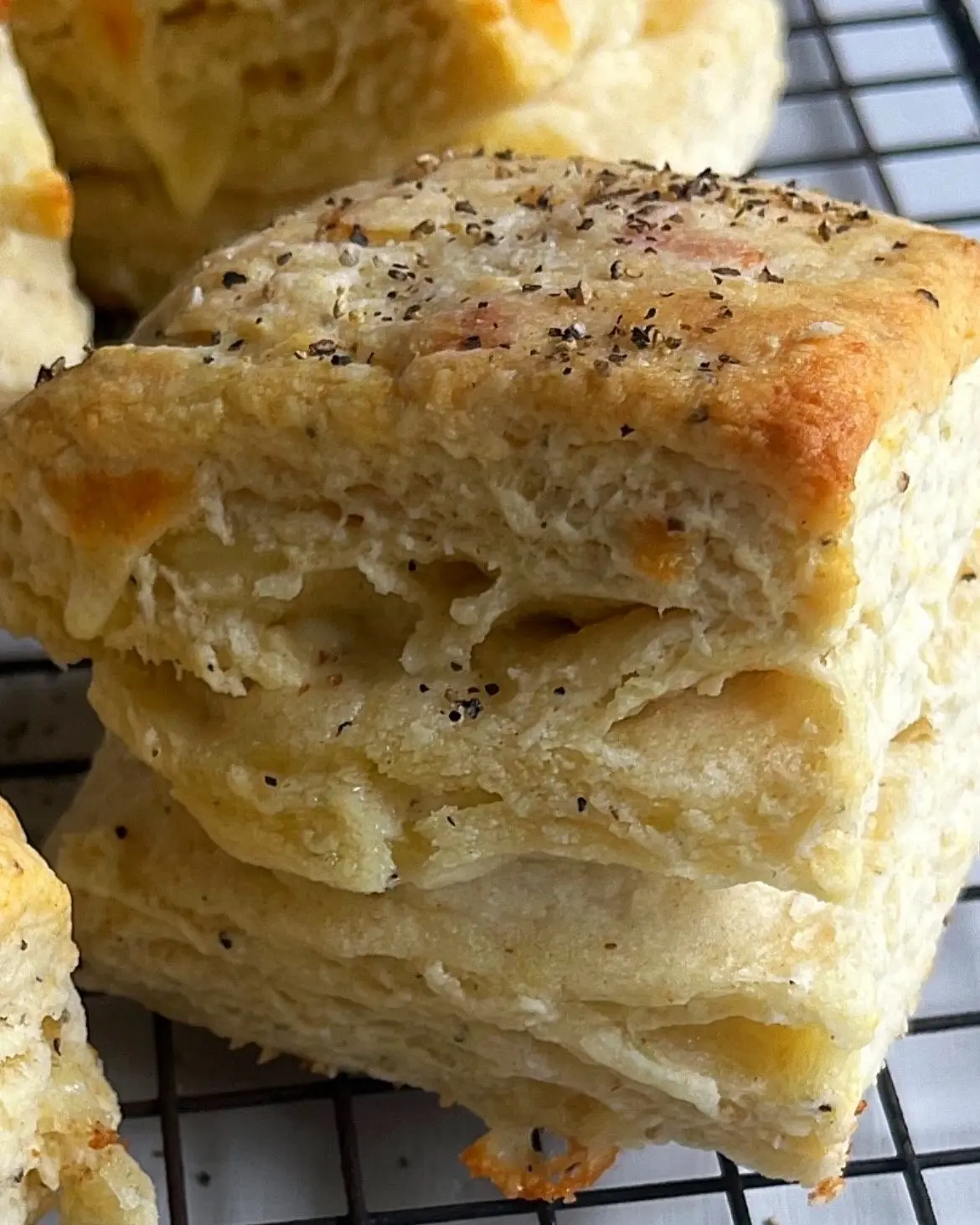
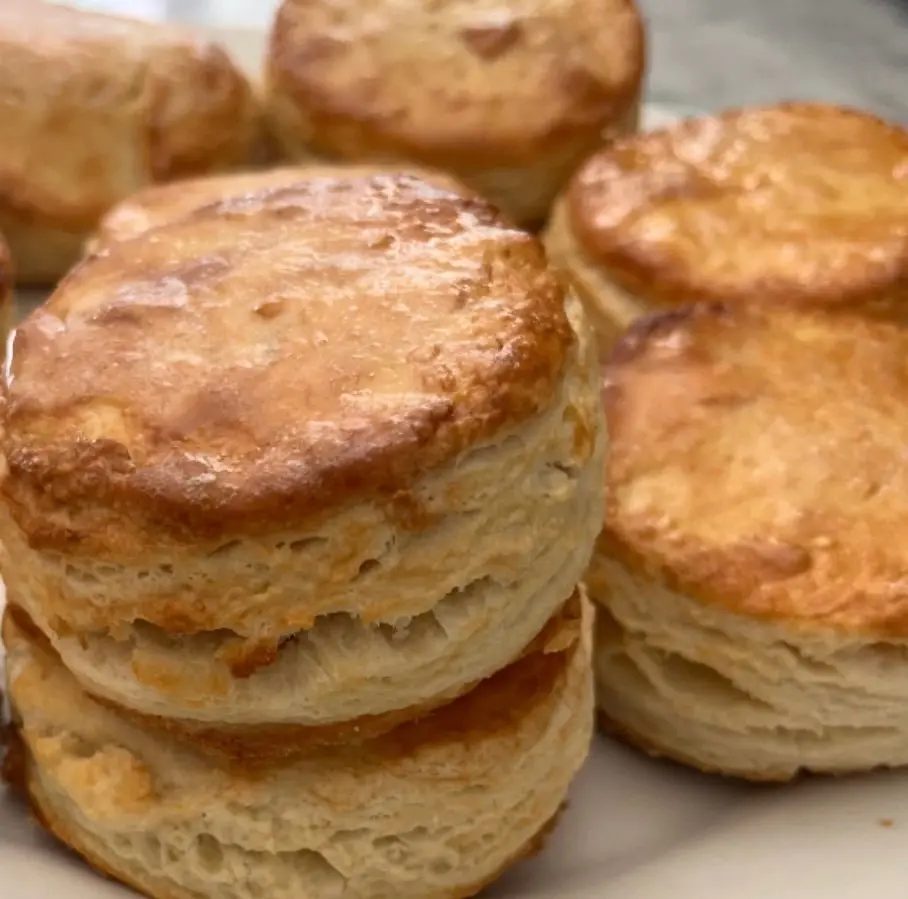
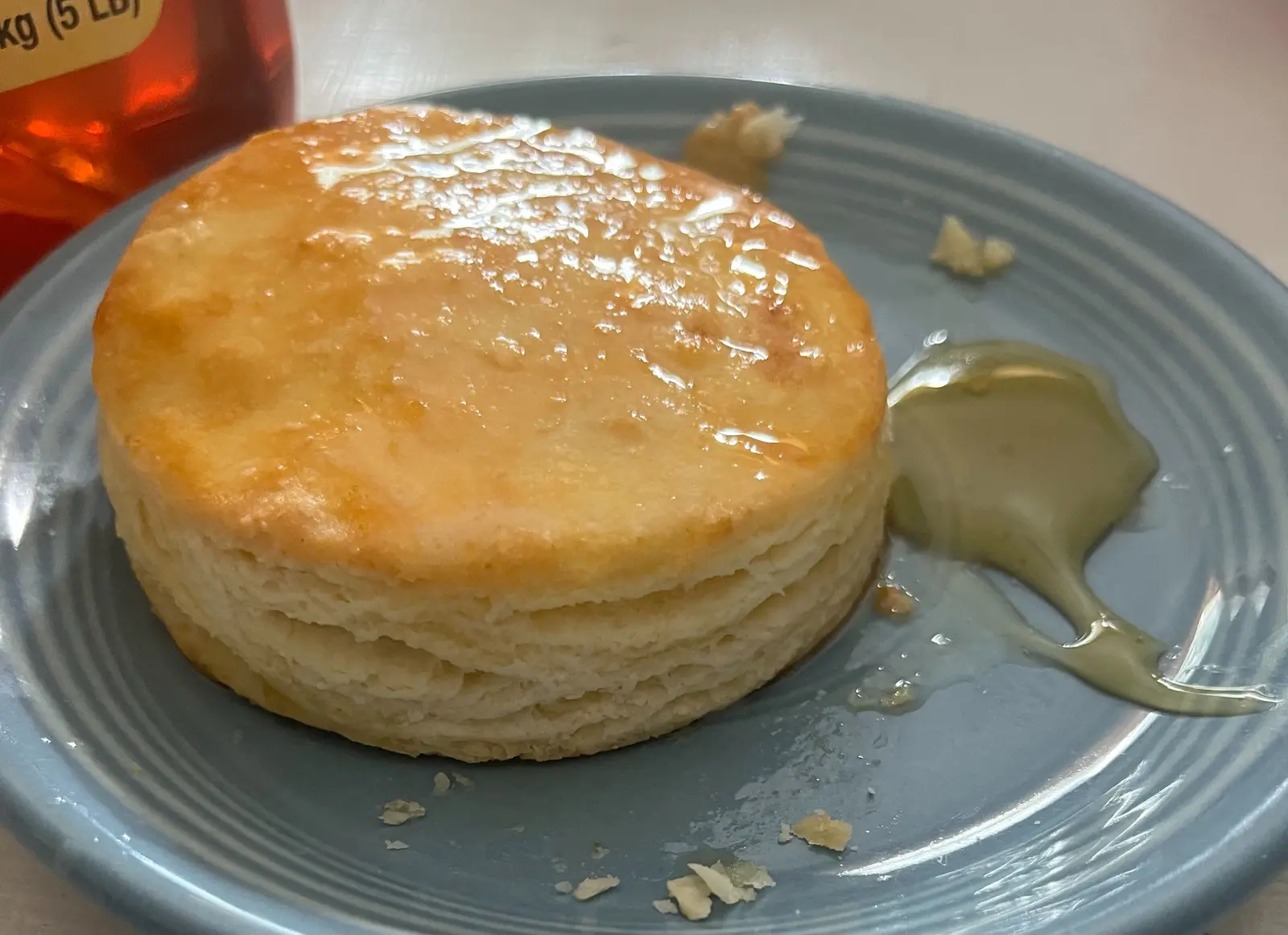
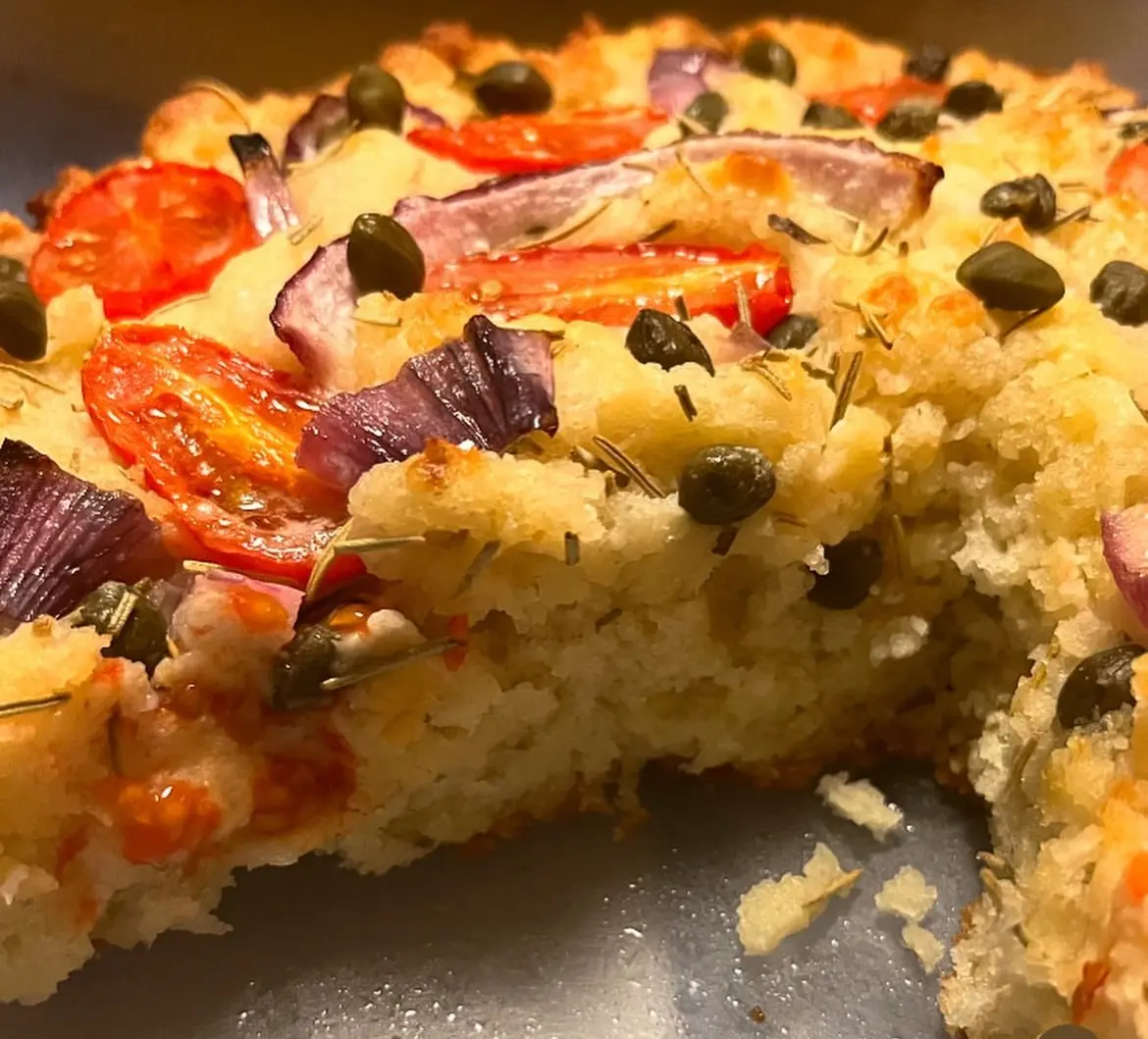
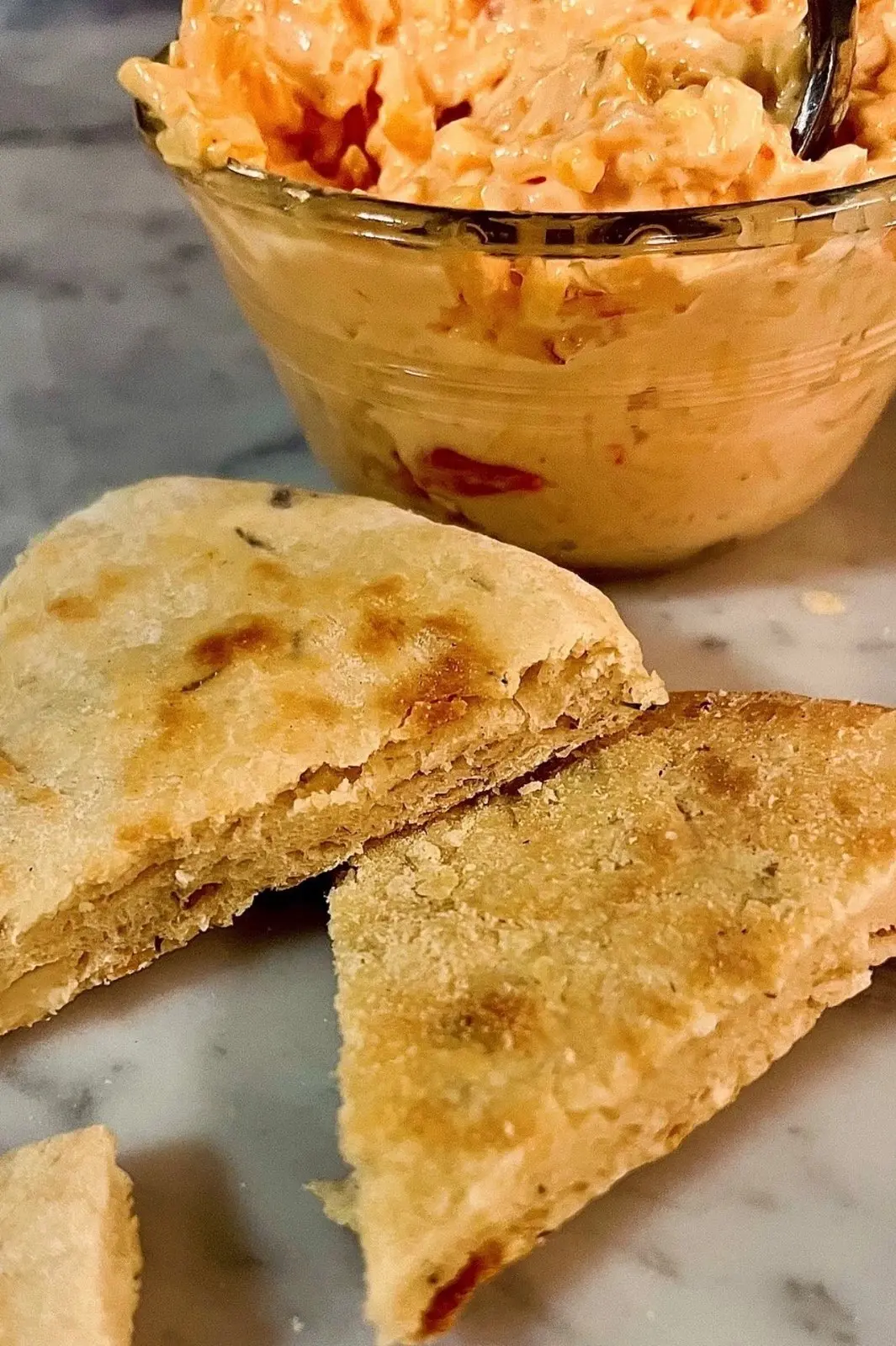
Spoonbread, hushpuppies, cornbread and biscuits: a chapter in crumb, crust and layers. Rolls and flatbread extend the bread basket, with Mom’s buttermilk biscuits named in her honor.
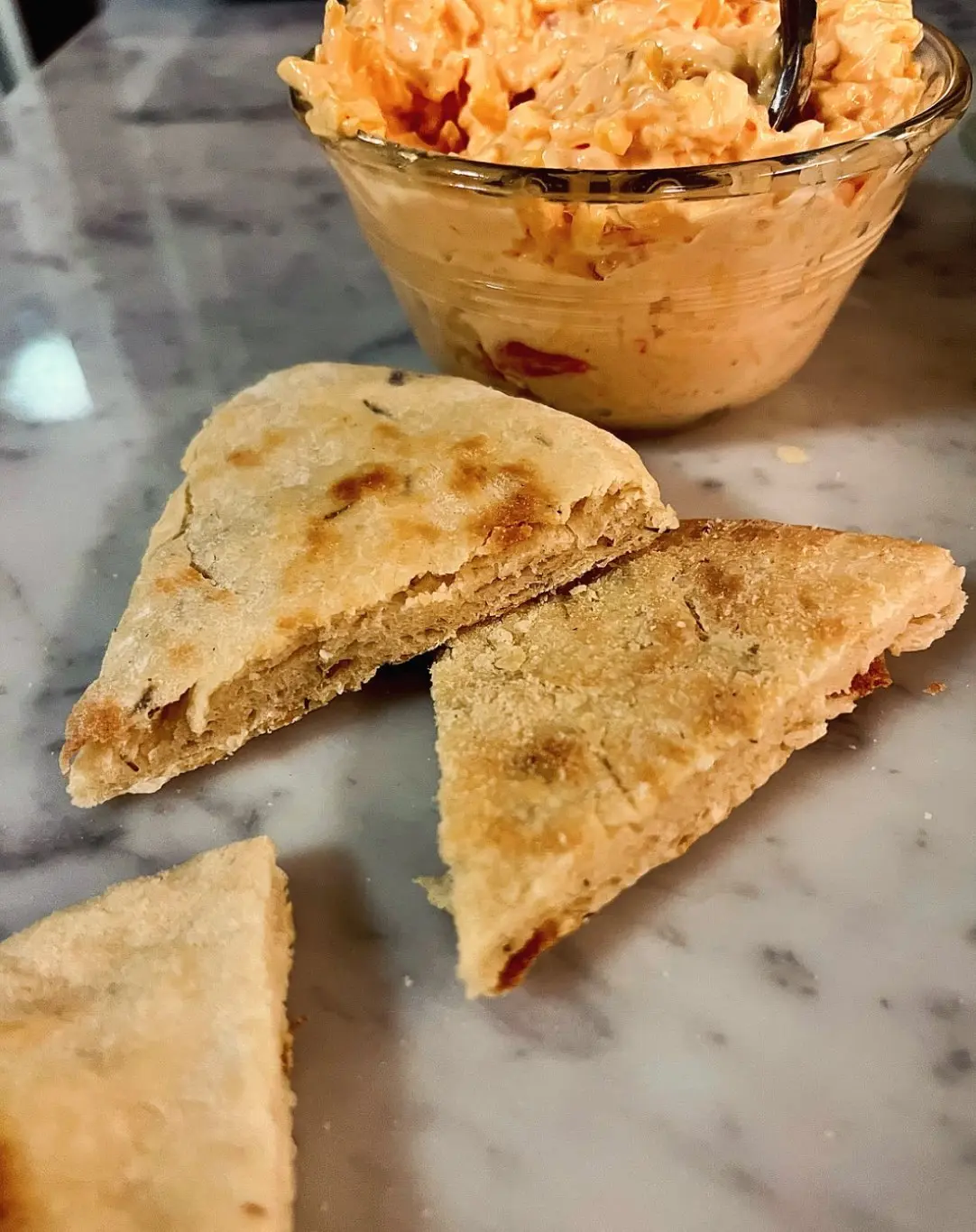
Paired with pimiento cheese.
13 / The archive
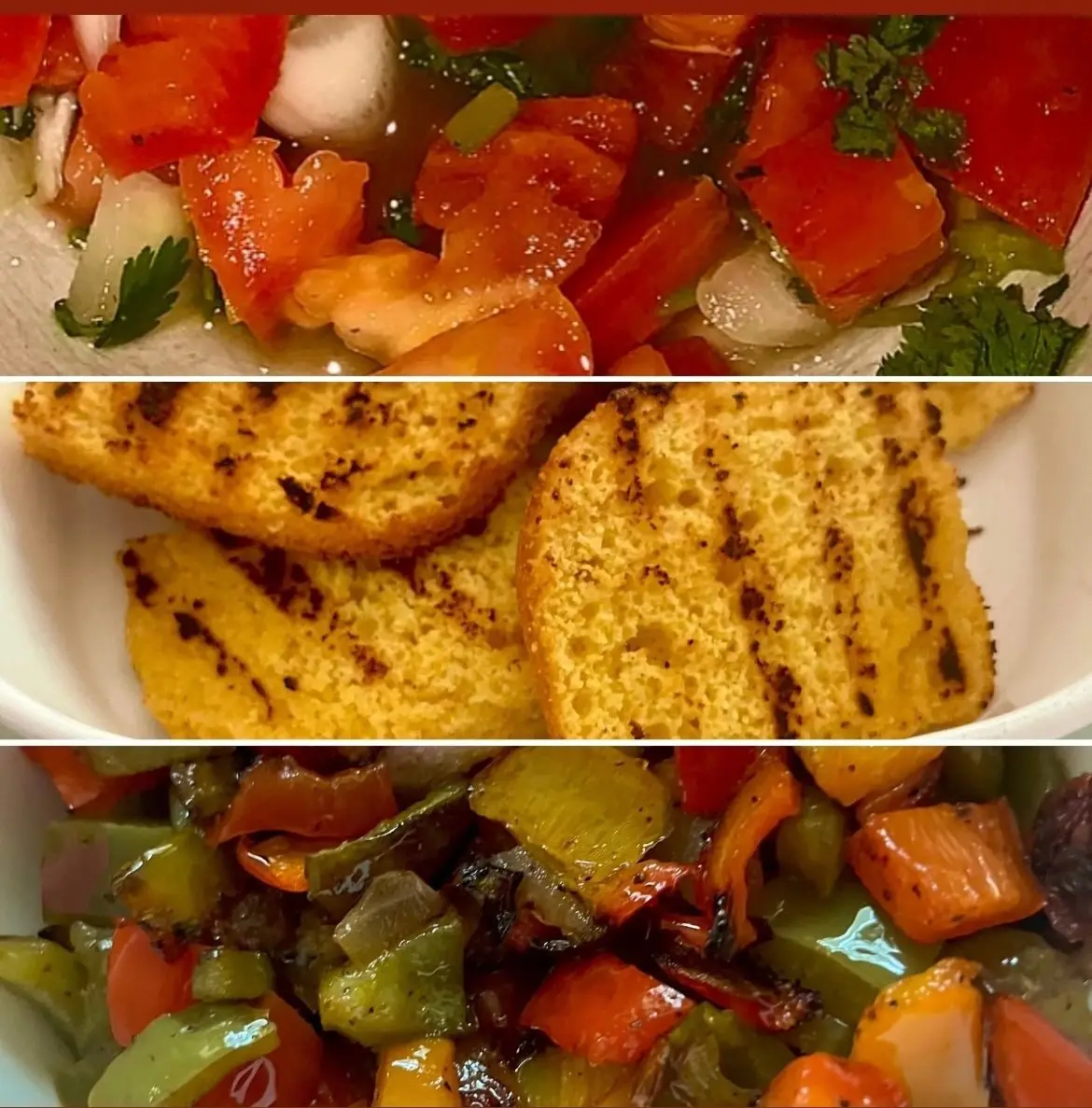
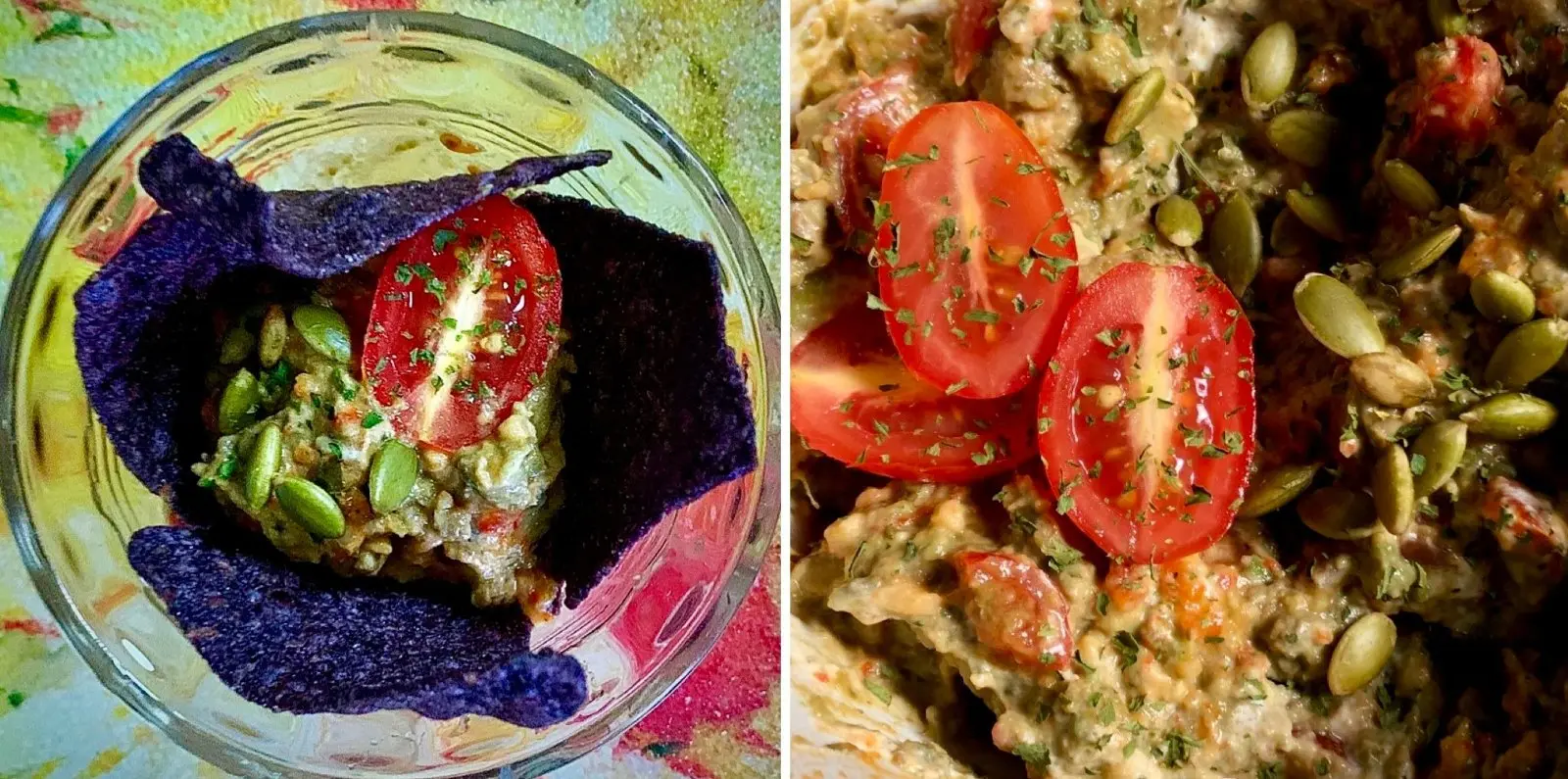
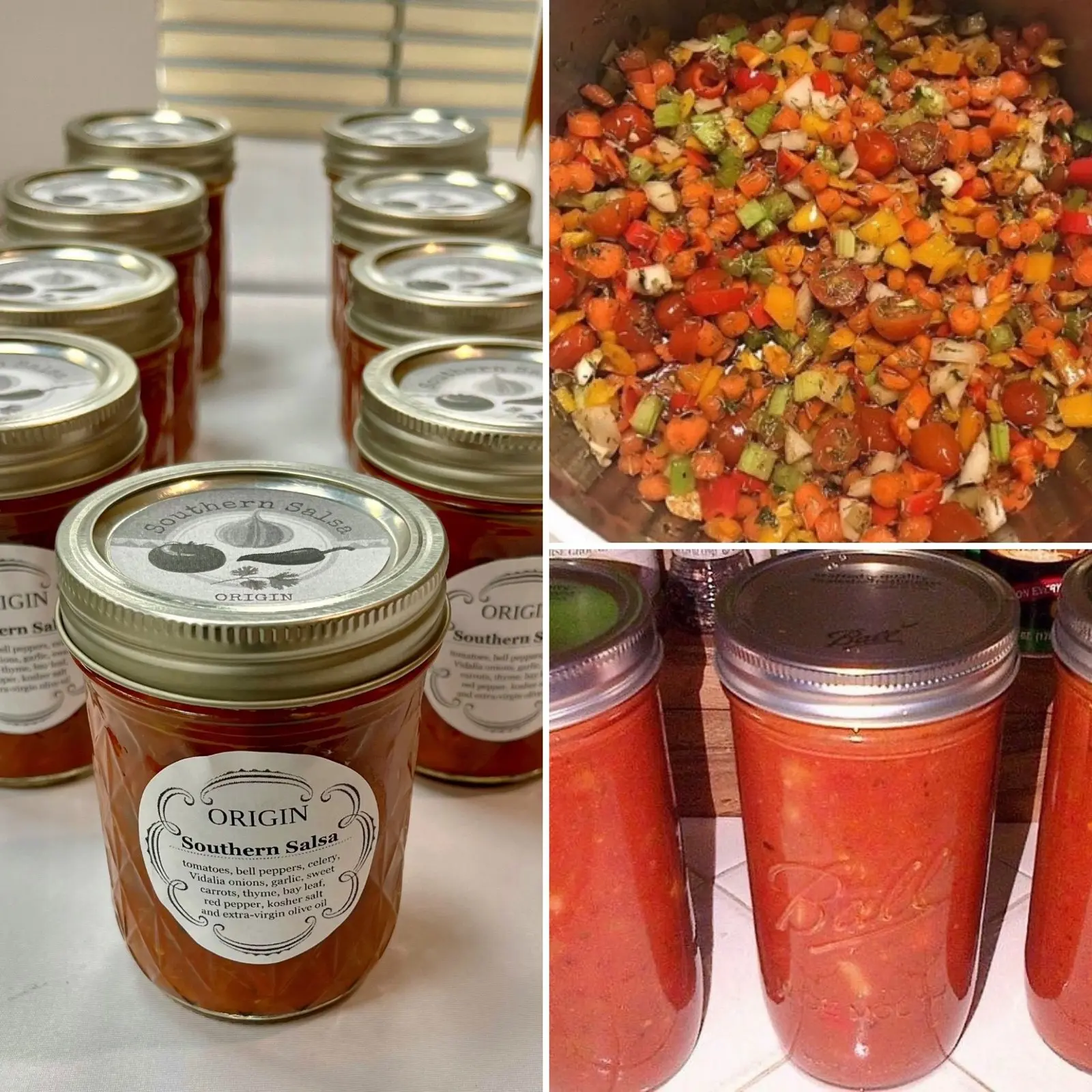
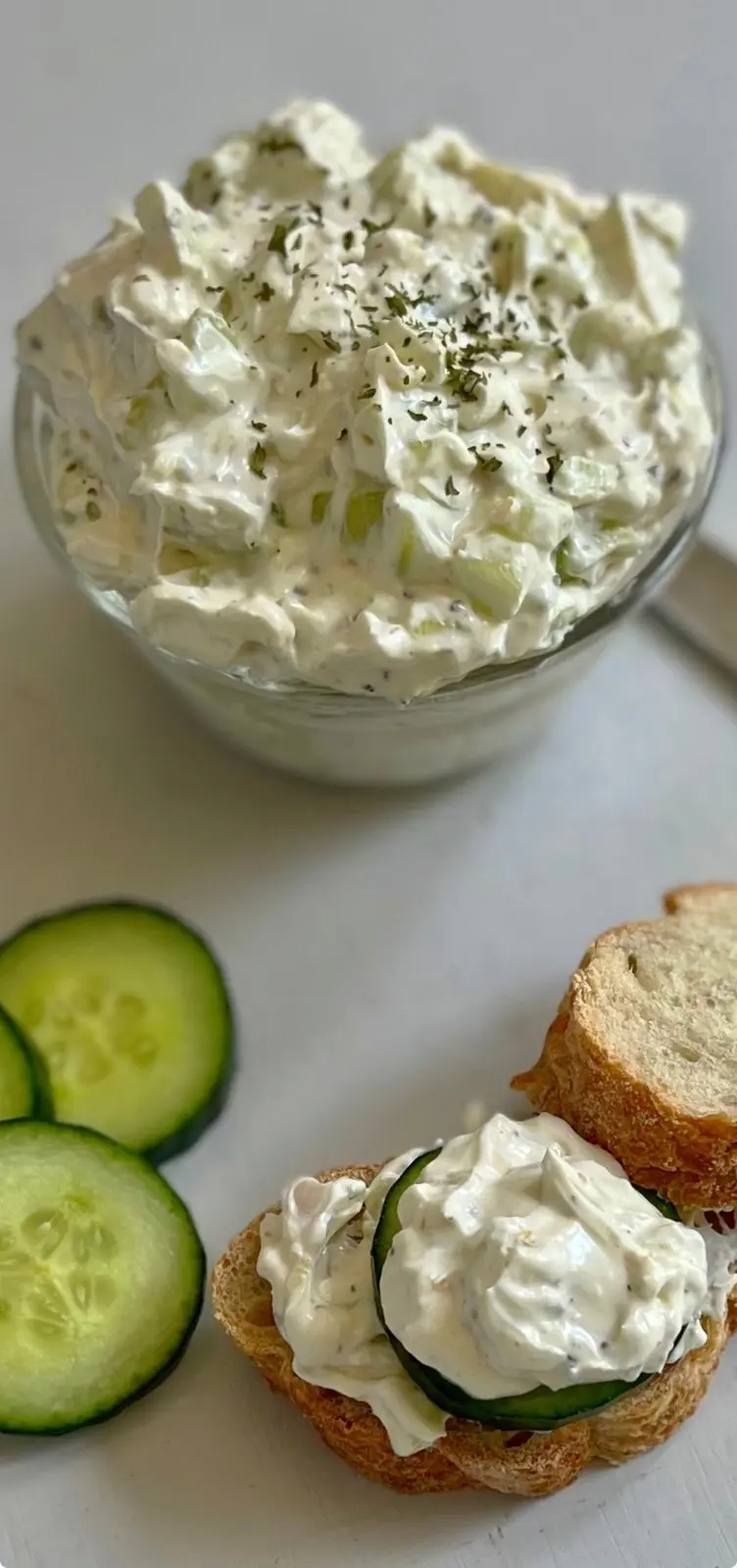
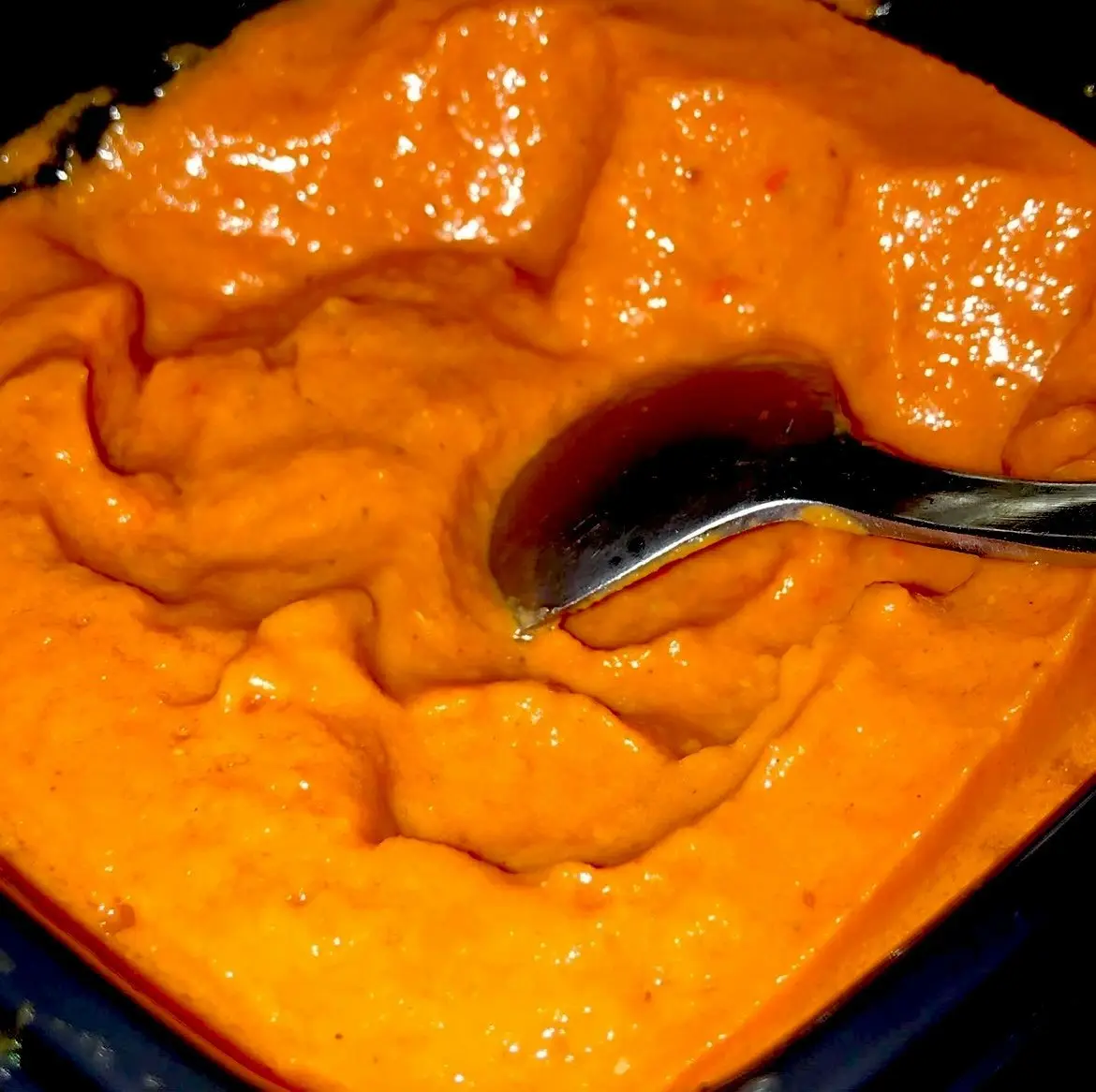
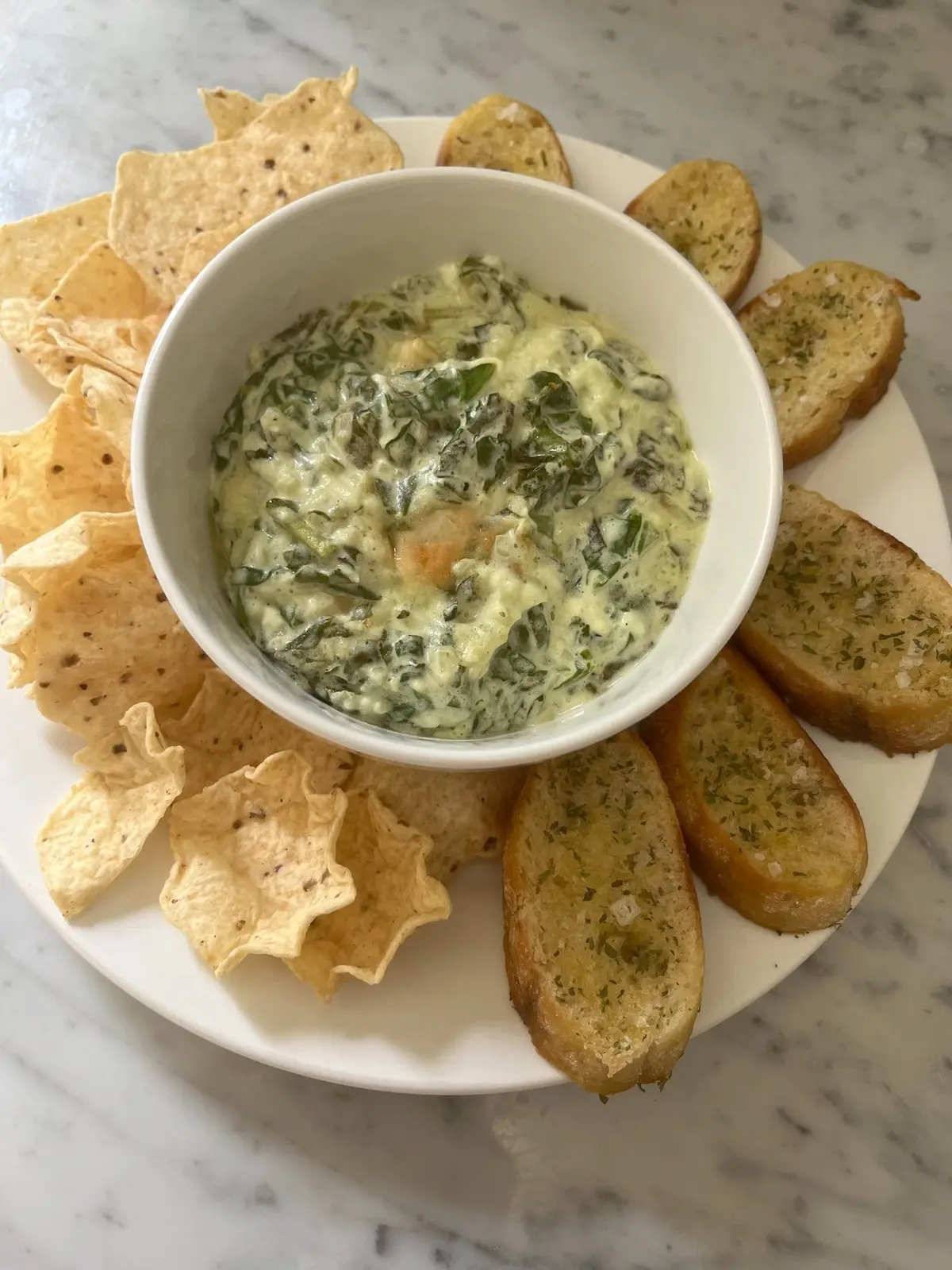
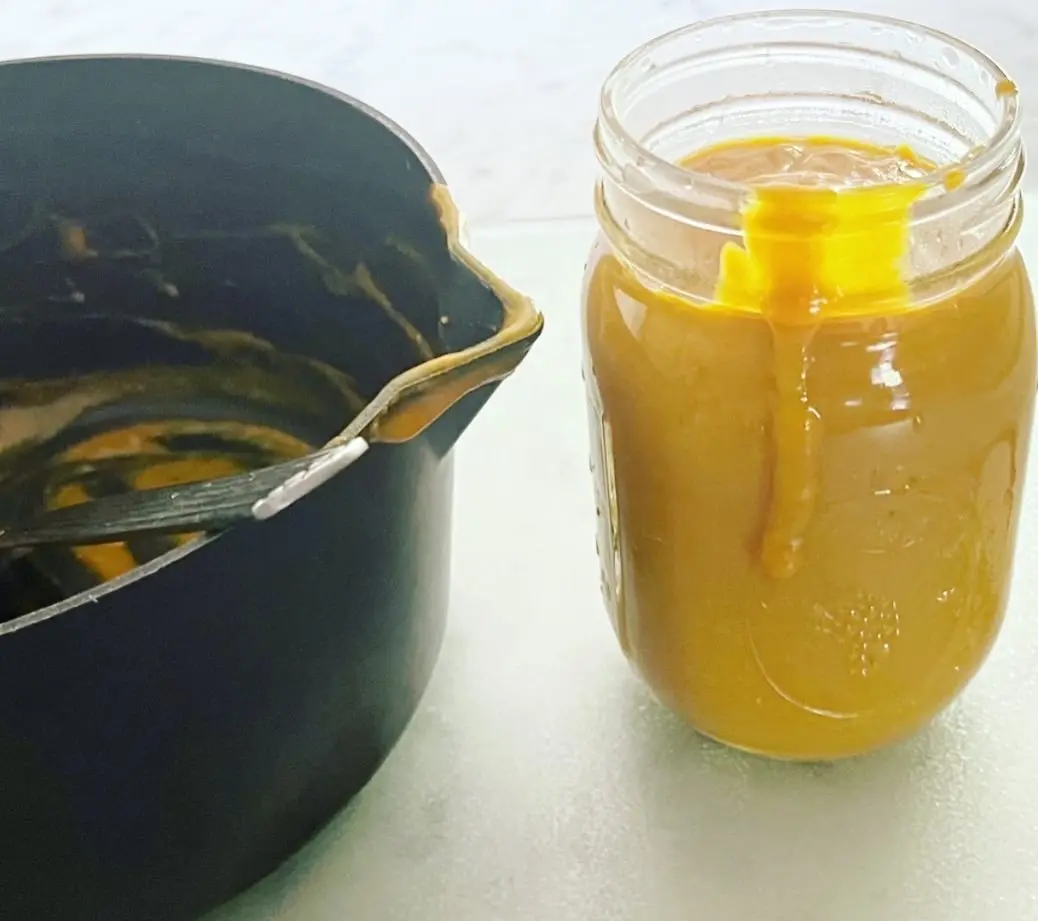
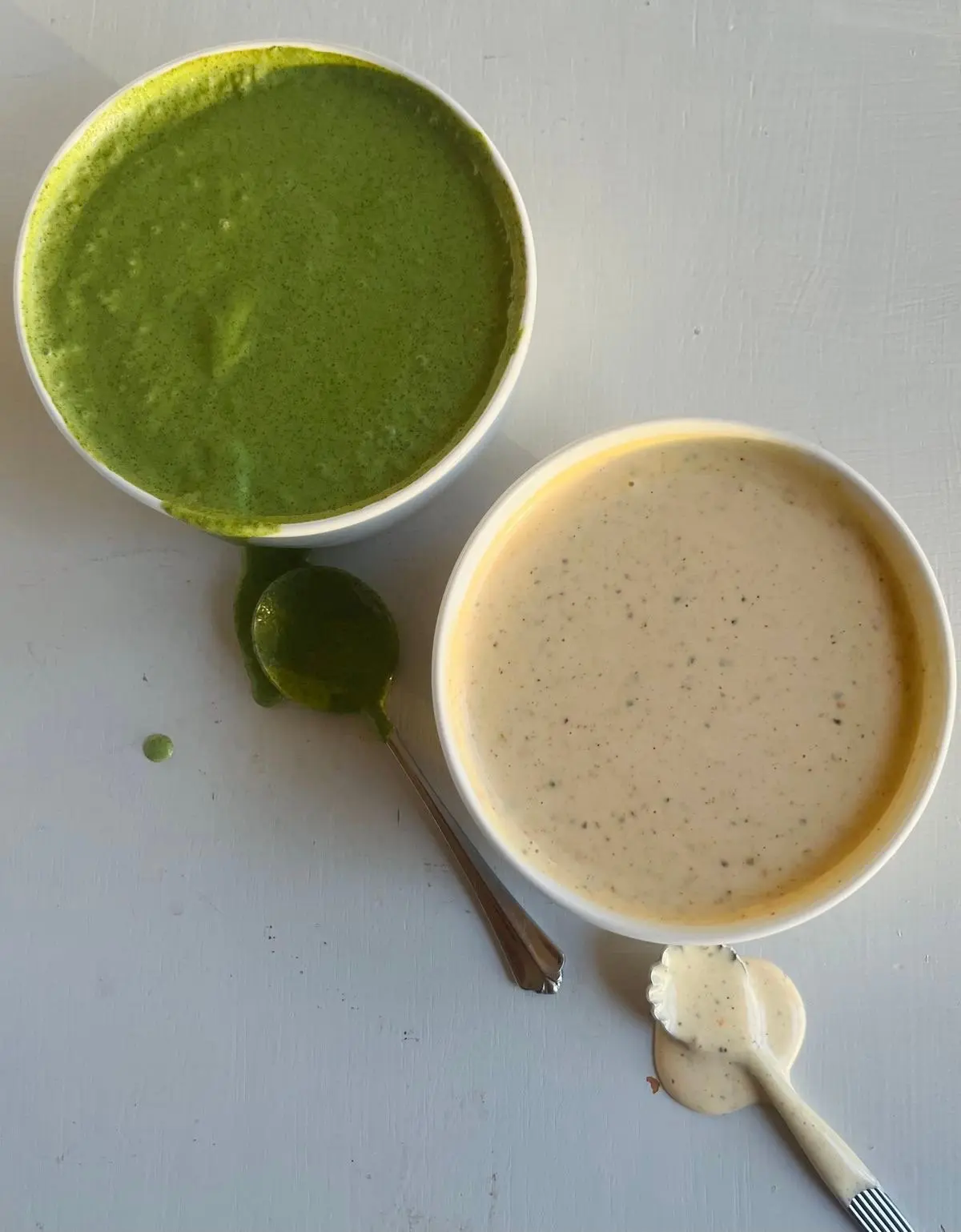
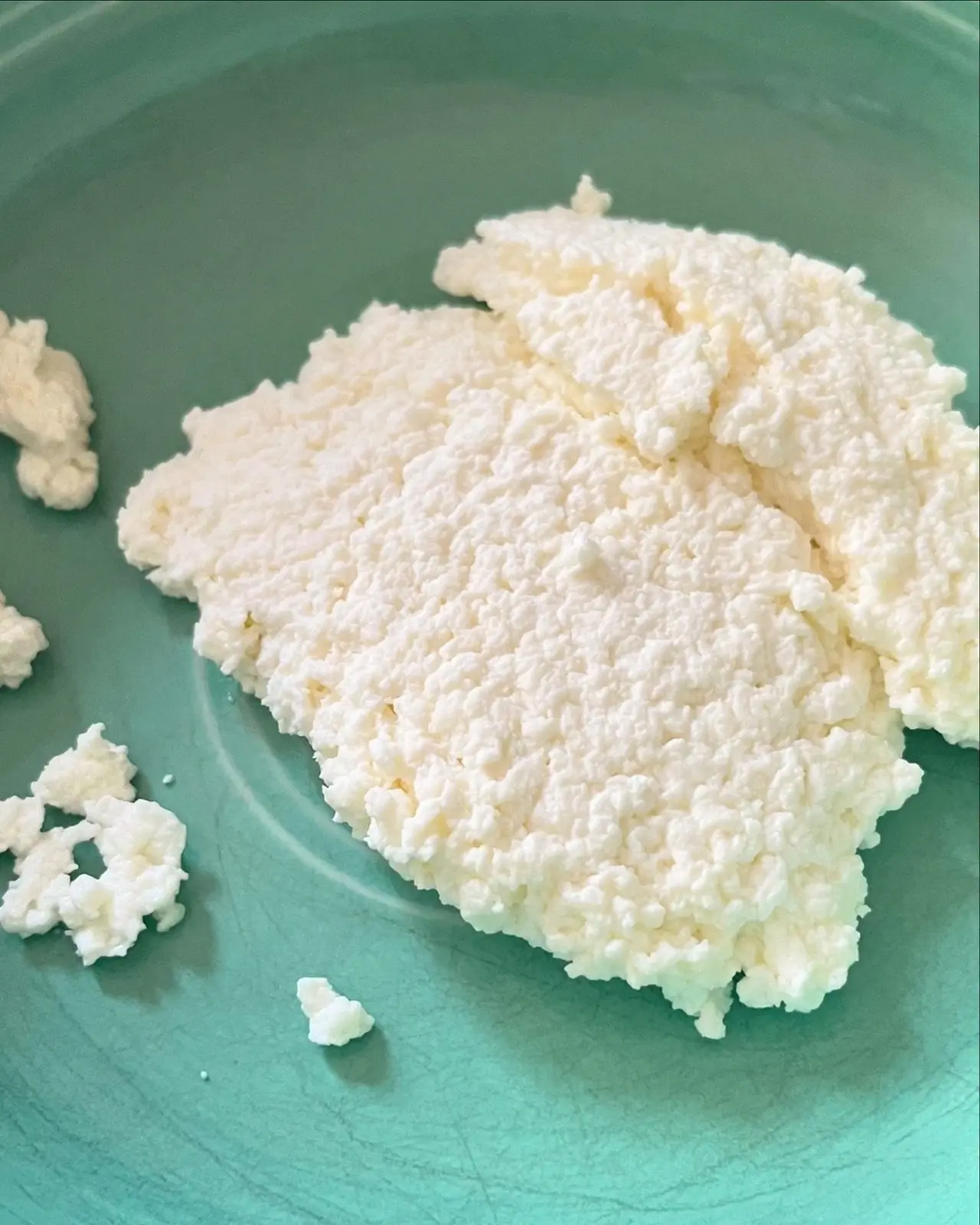
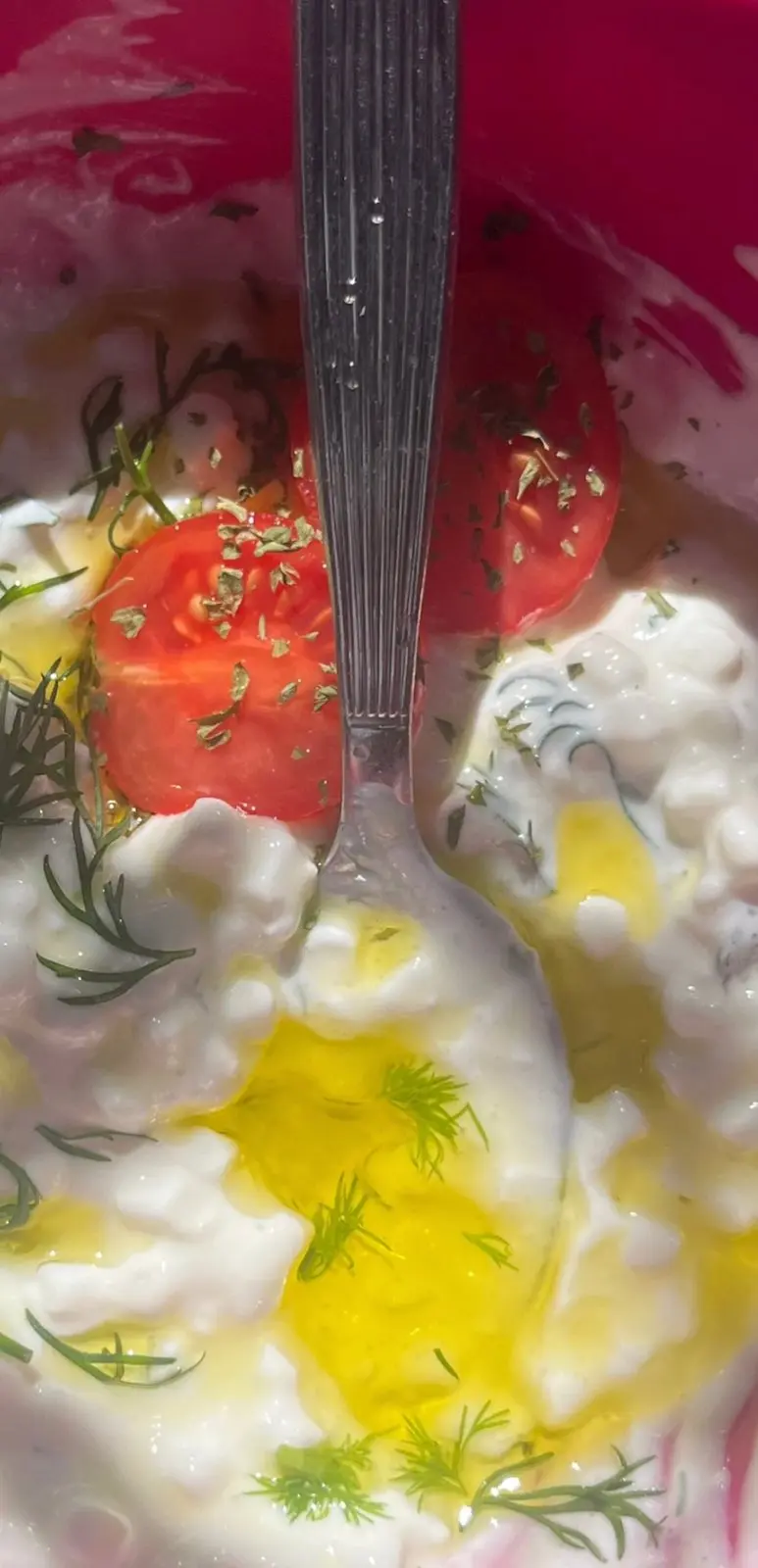
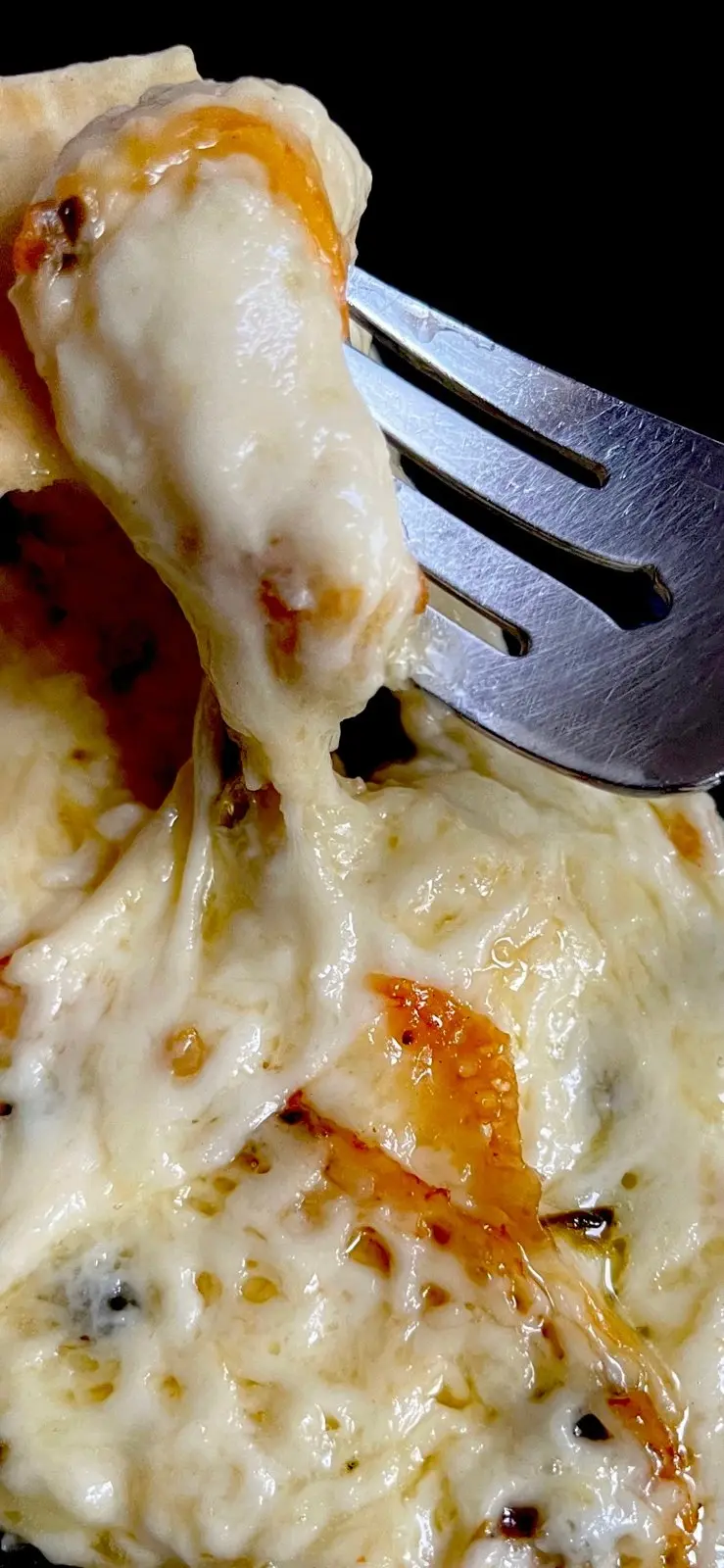
The accompaniments that complete a plate: pepper and tomato spreads, barbecue sauces, pimiento cheese and fresh cheeses. Distinct preparations, each with its own role.
14 / The archive
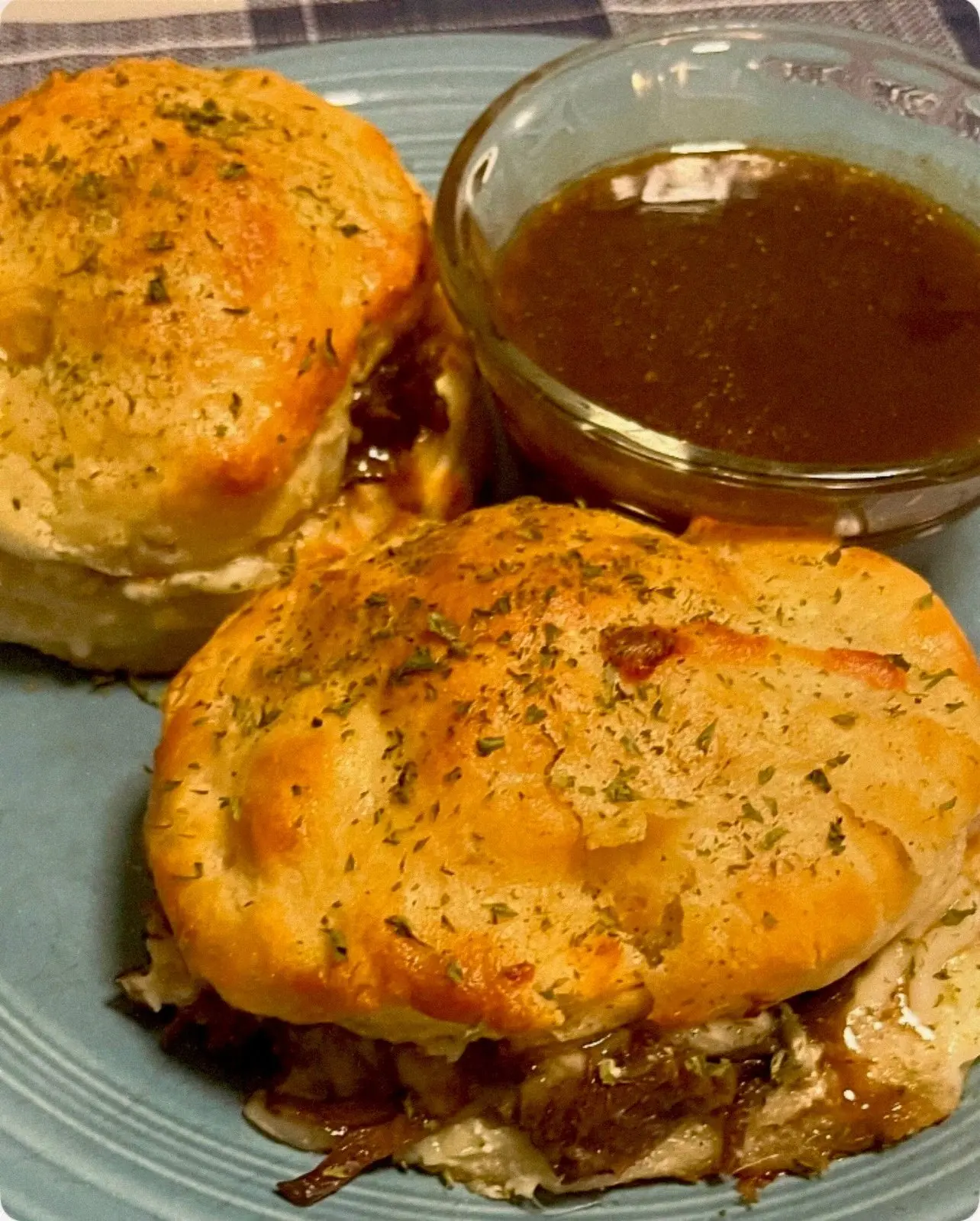
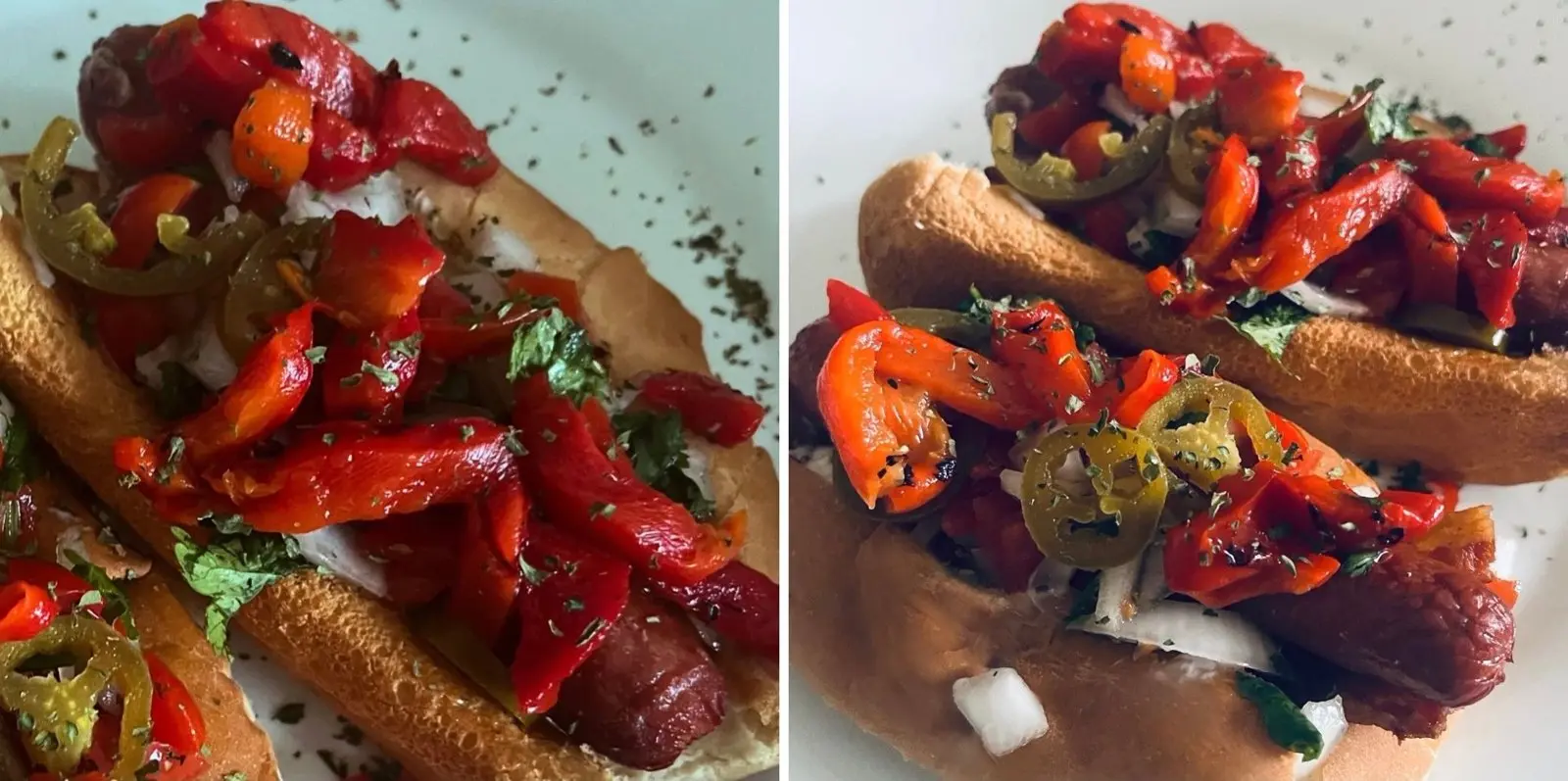
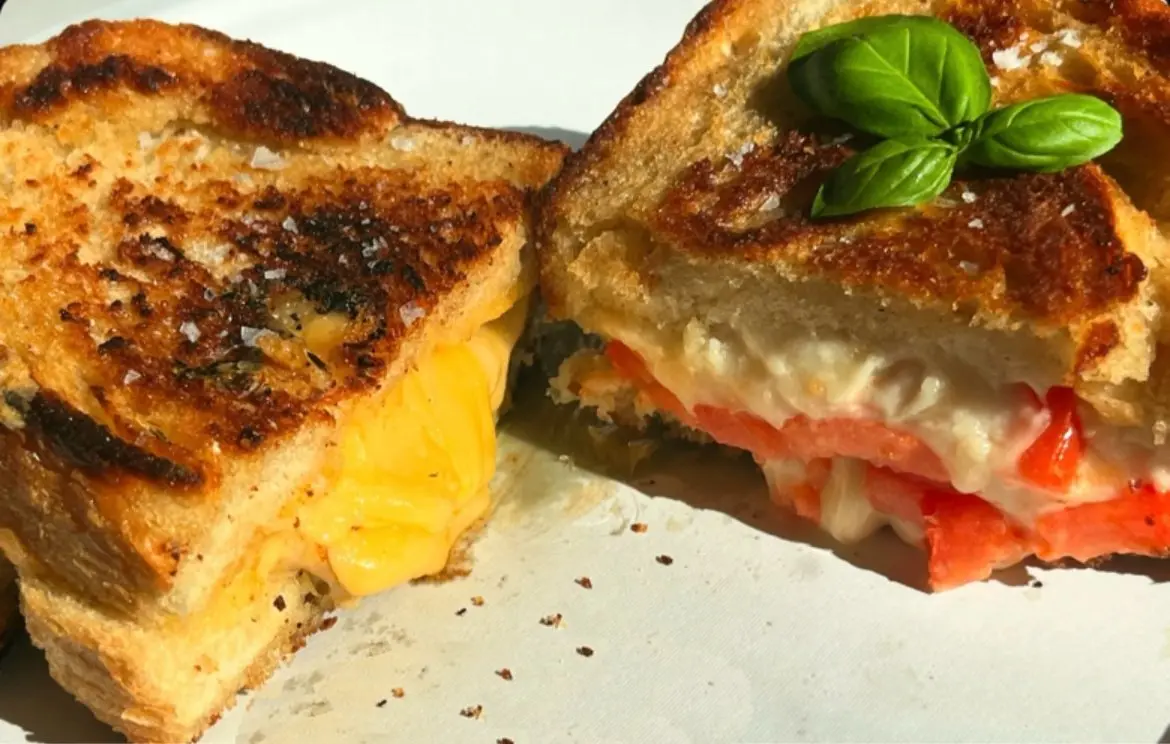
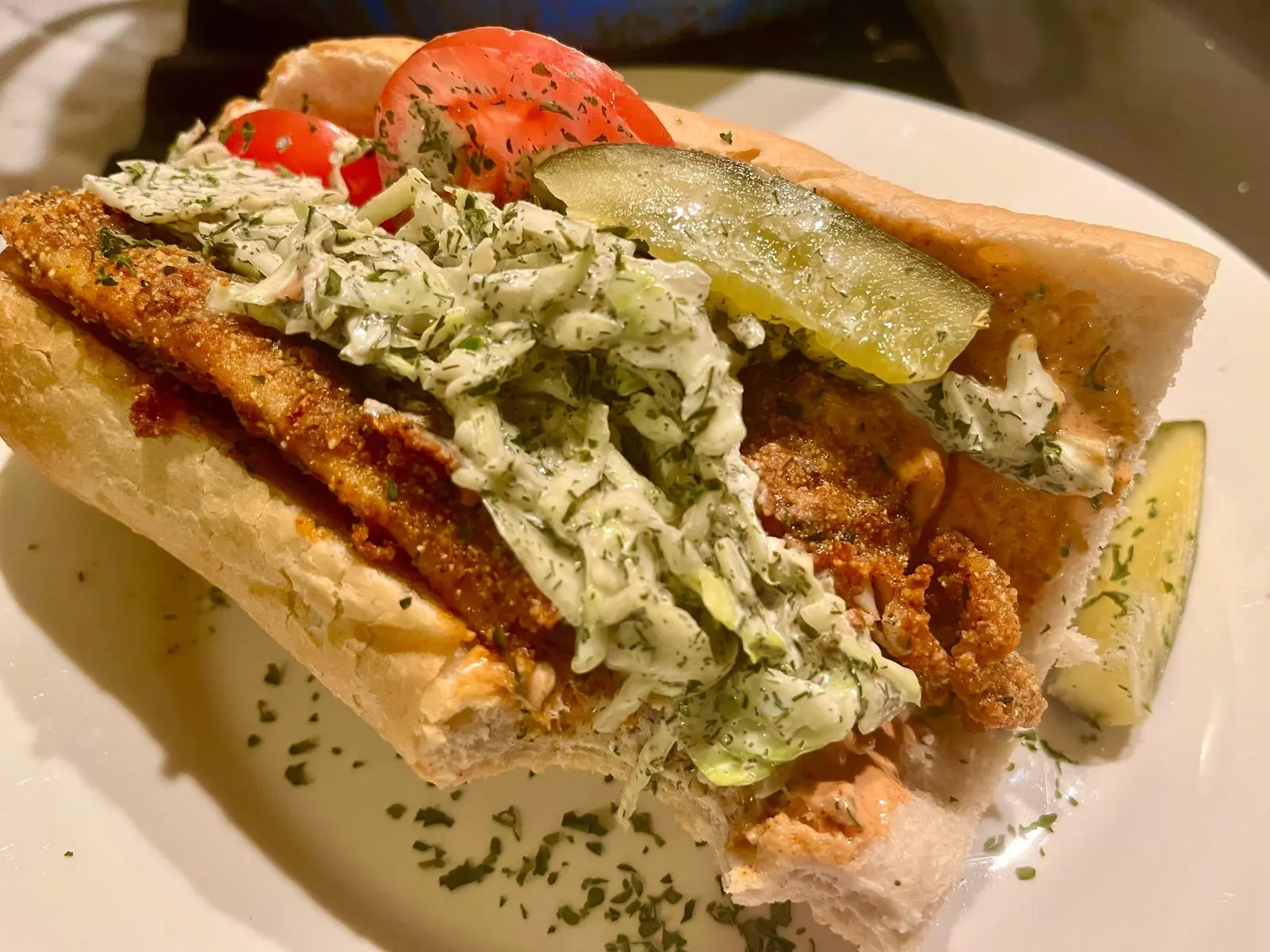
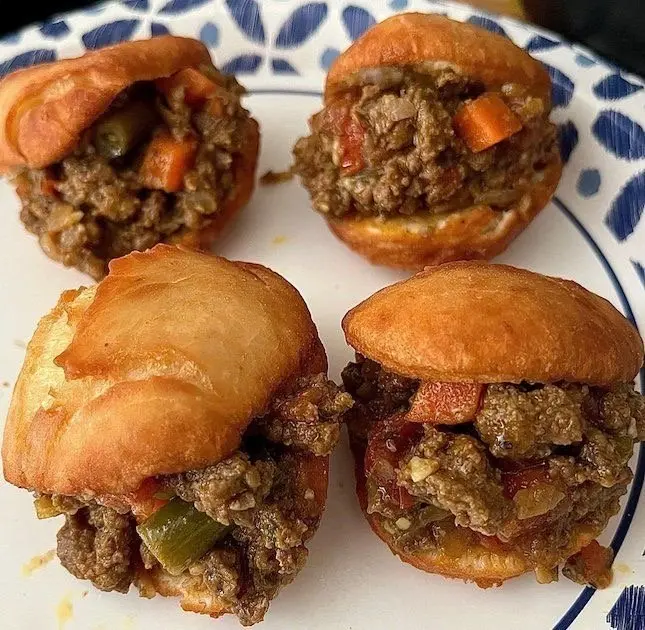
The repertoire between two pieces of bread: a Carolina sandwich, pot roast dip biscuits, a flounder po’ boy, the Southern Press and smaller bites for sharing.
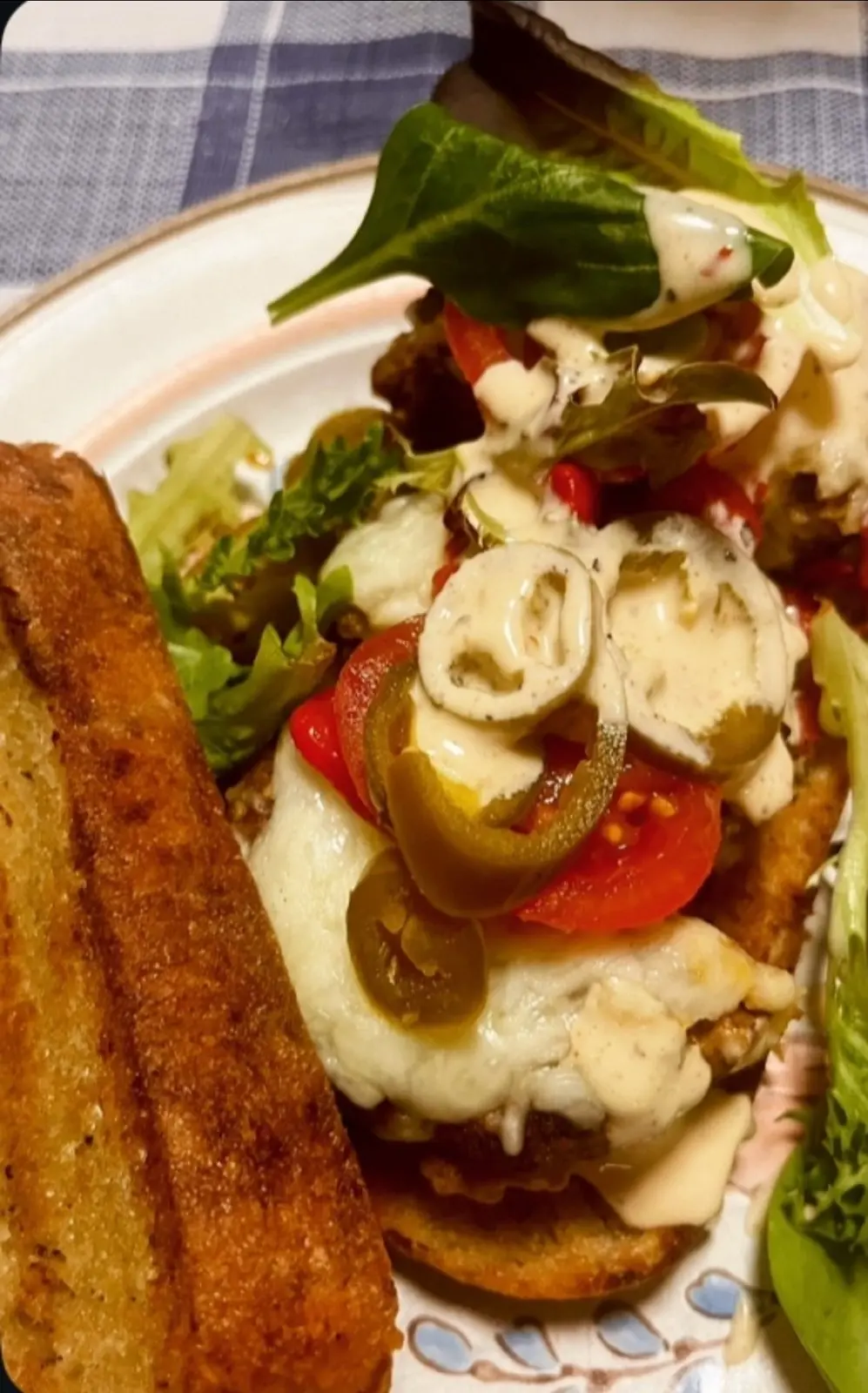
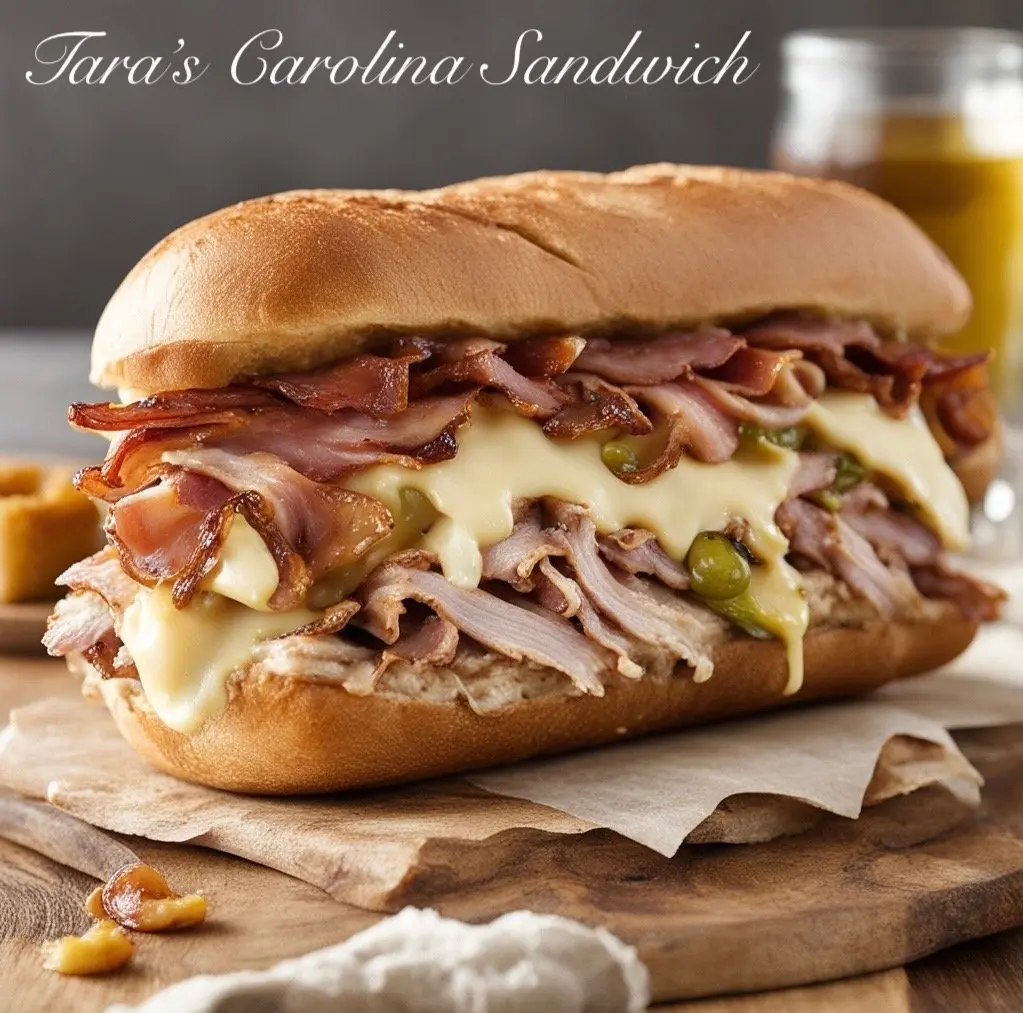
North Carolina smoked pulled pork, pepper bacon, Monterey Jack, melted onions, pickled peppers and Carolina Gold BBQ sauce.
15 / The archive
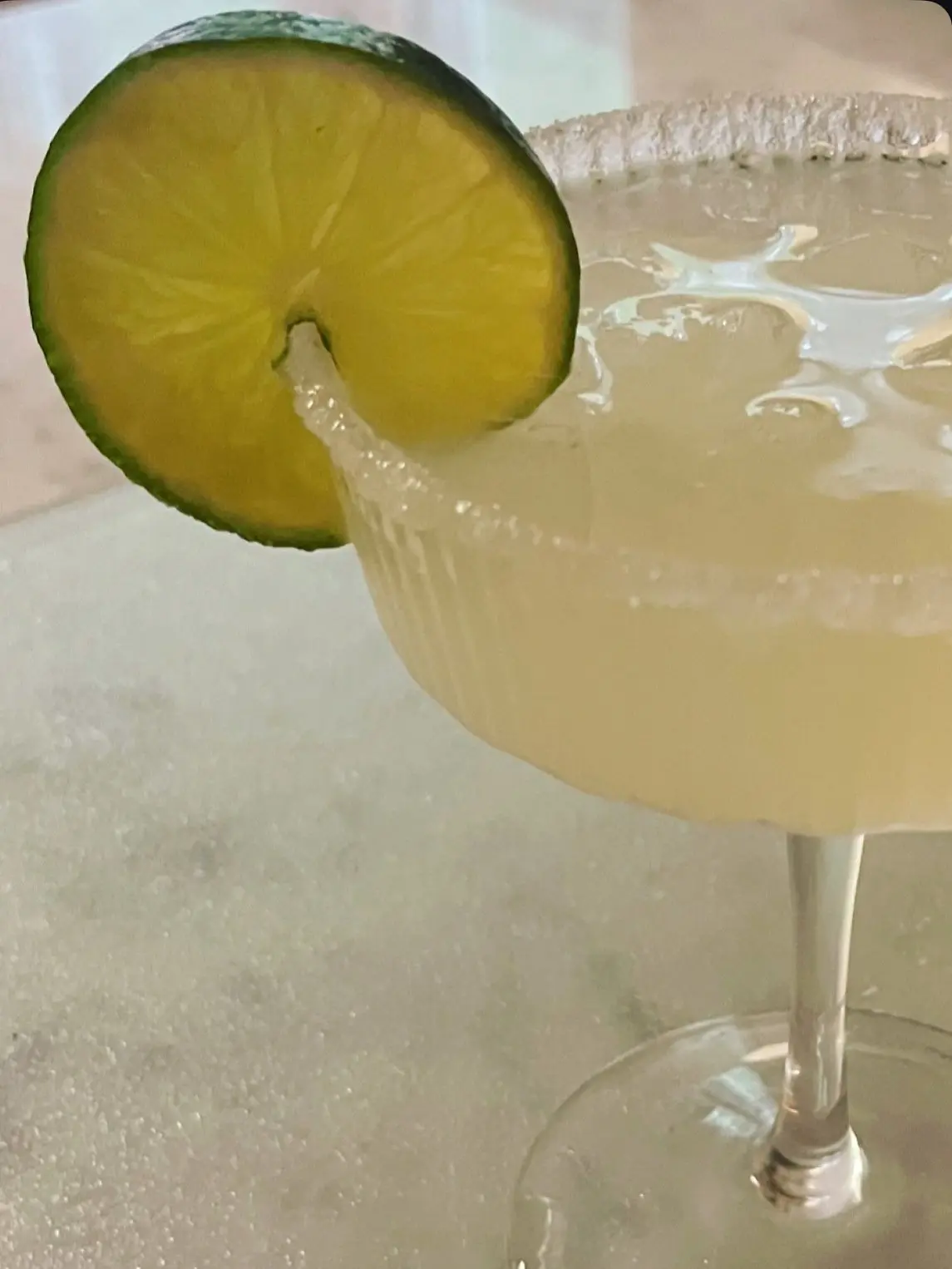
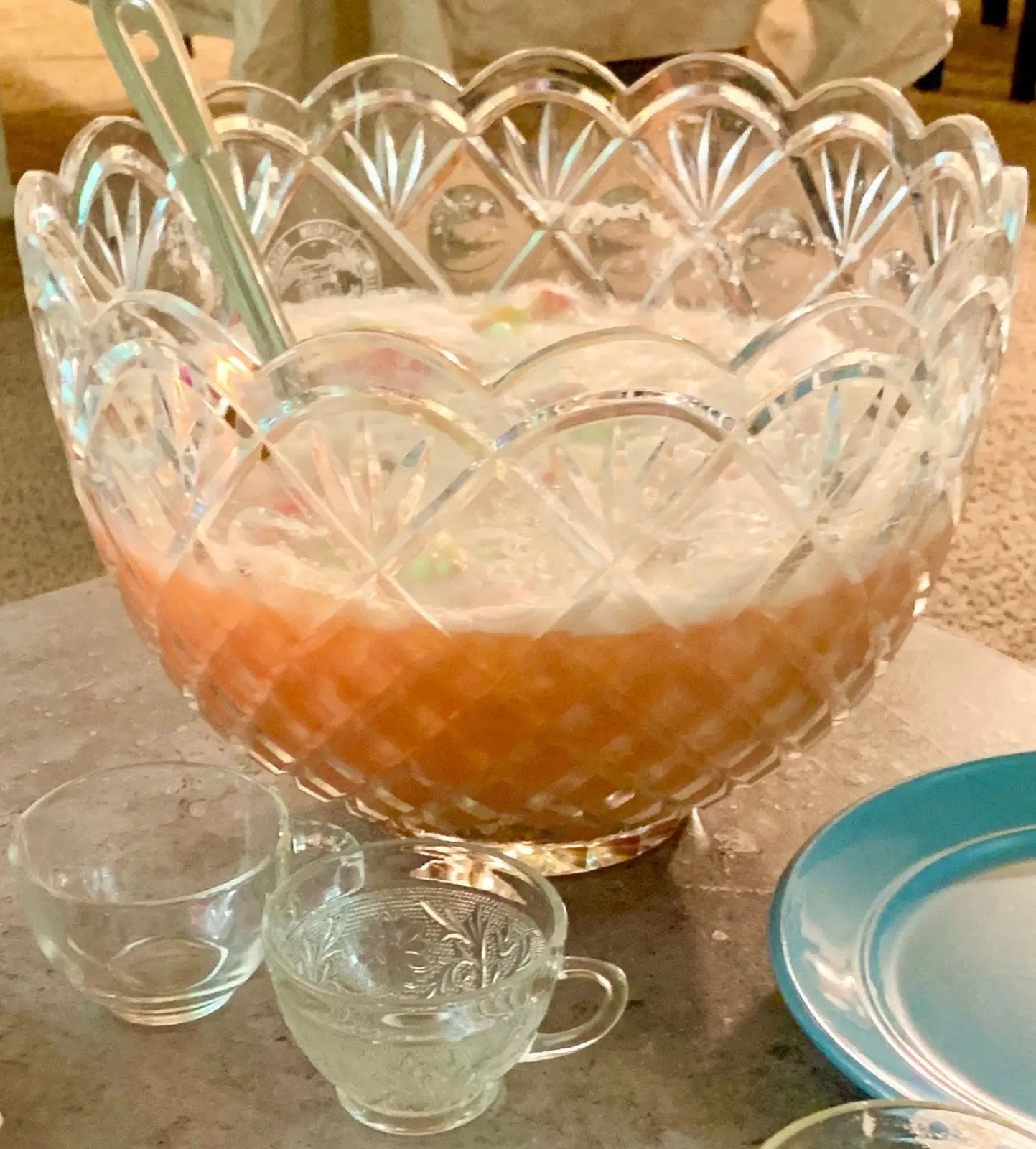
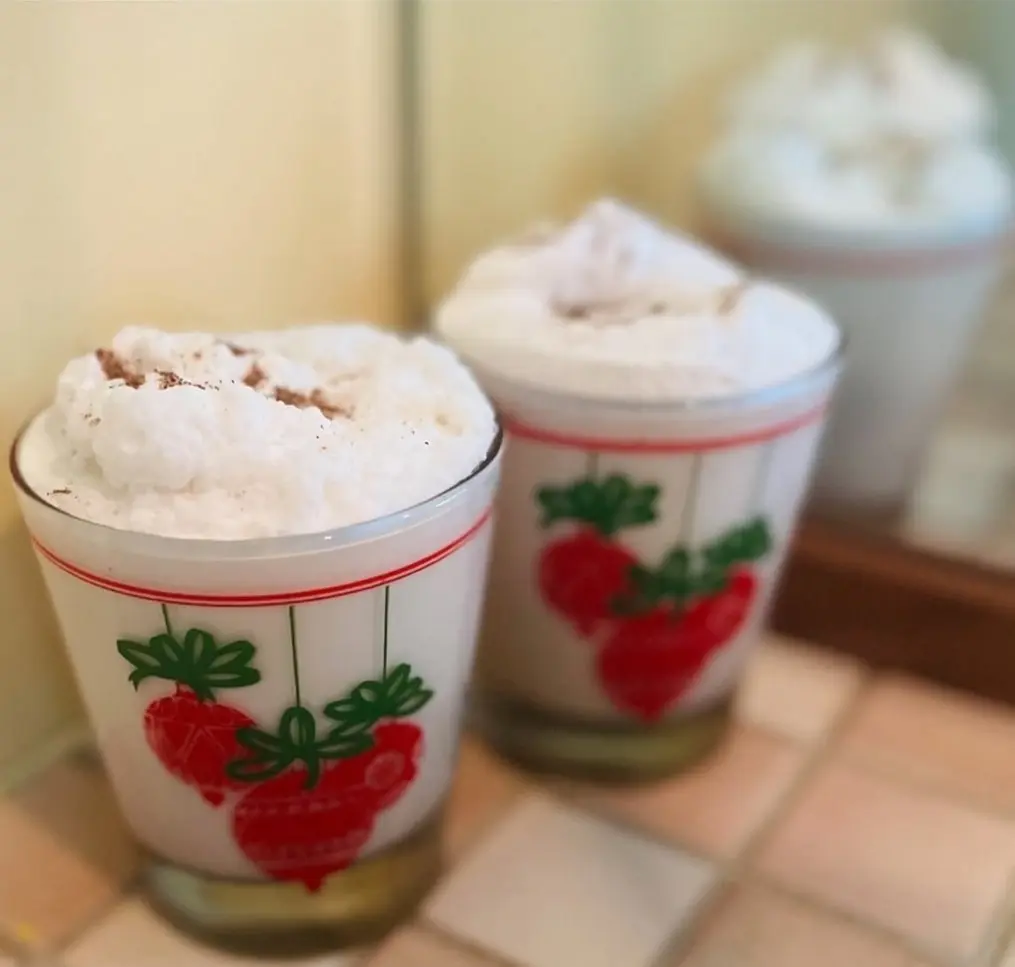
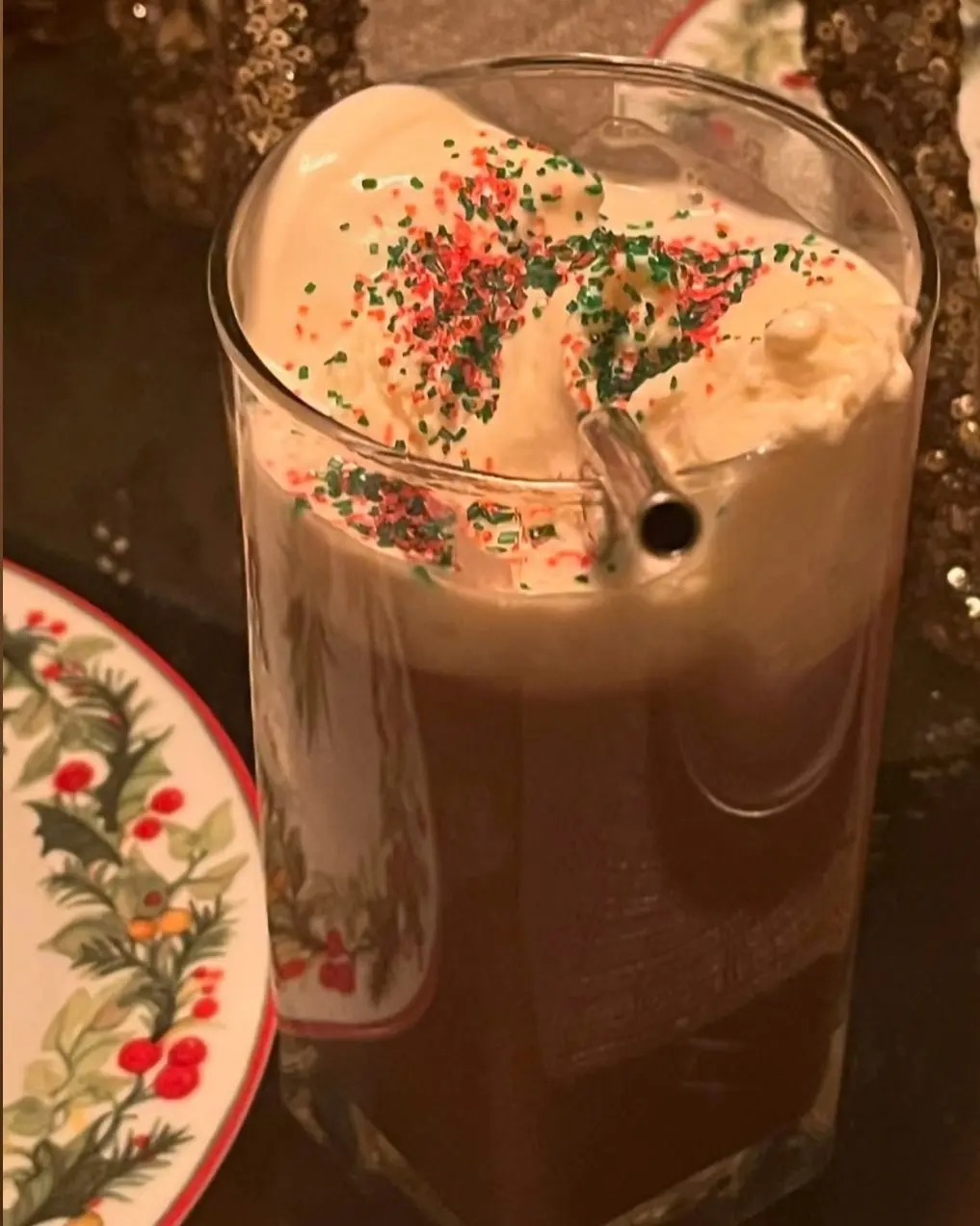
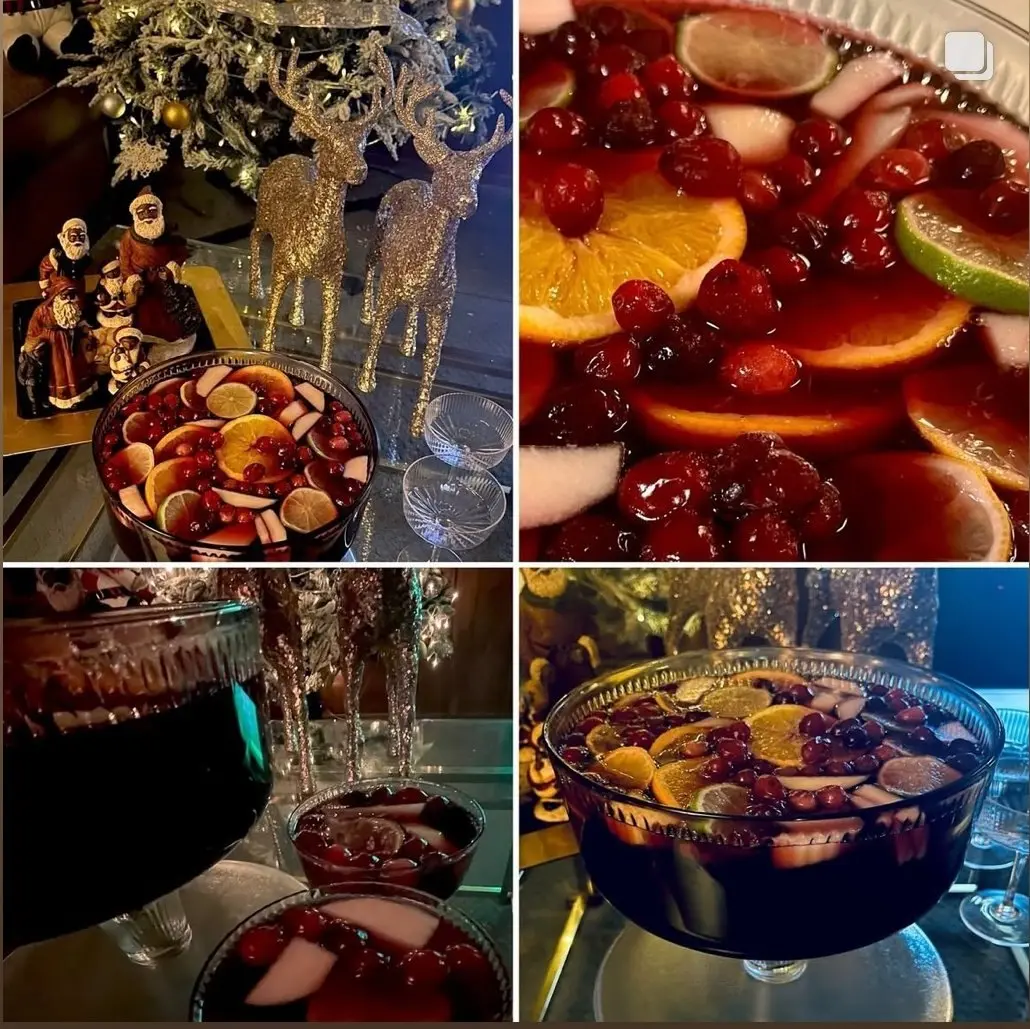
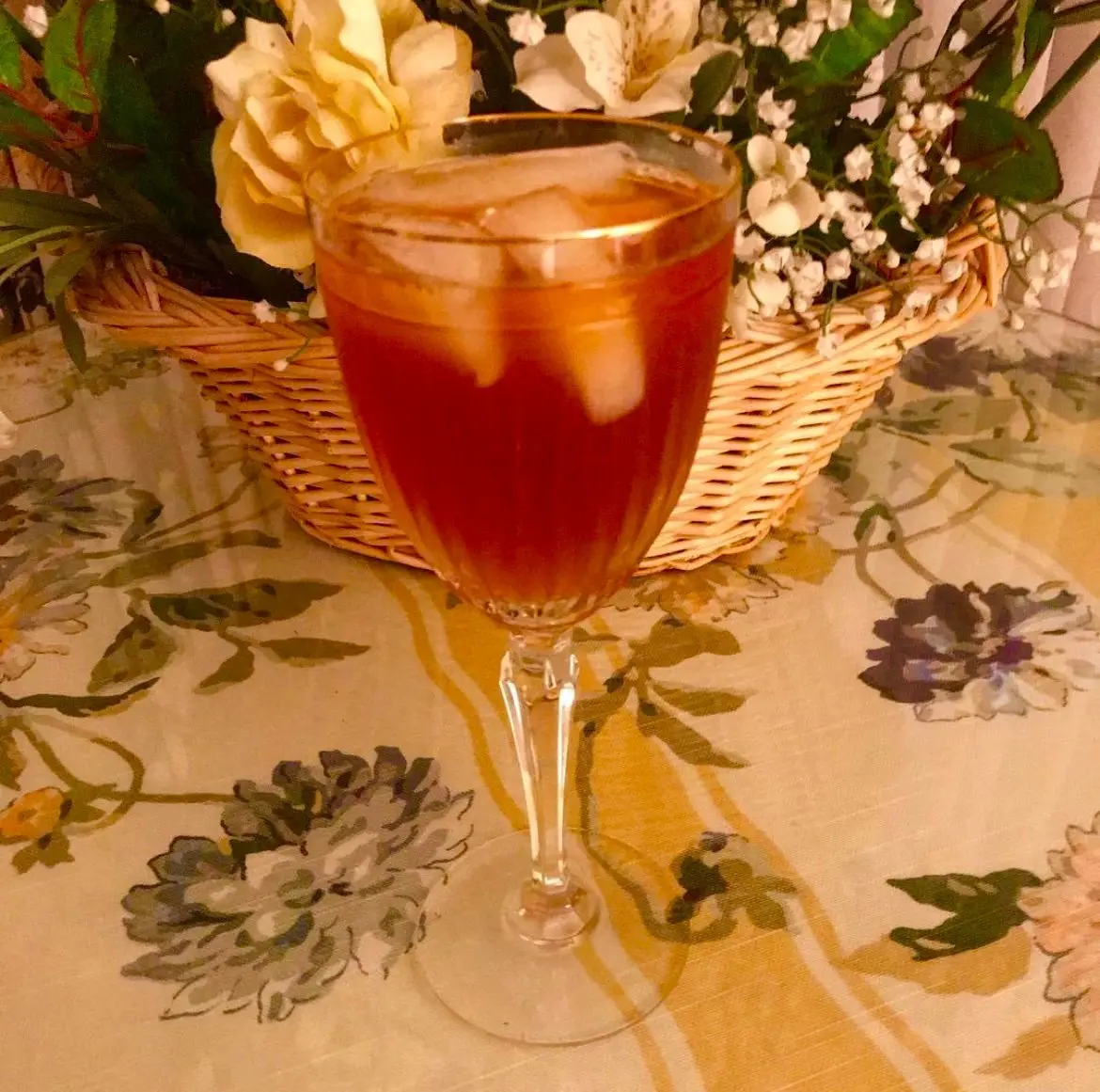
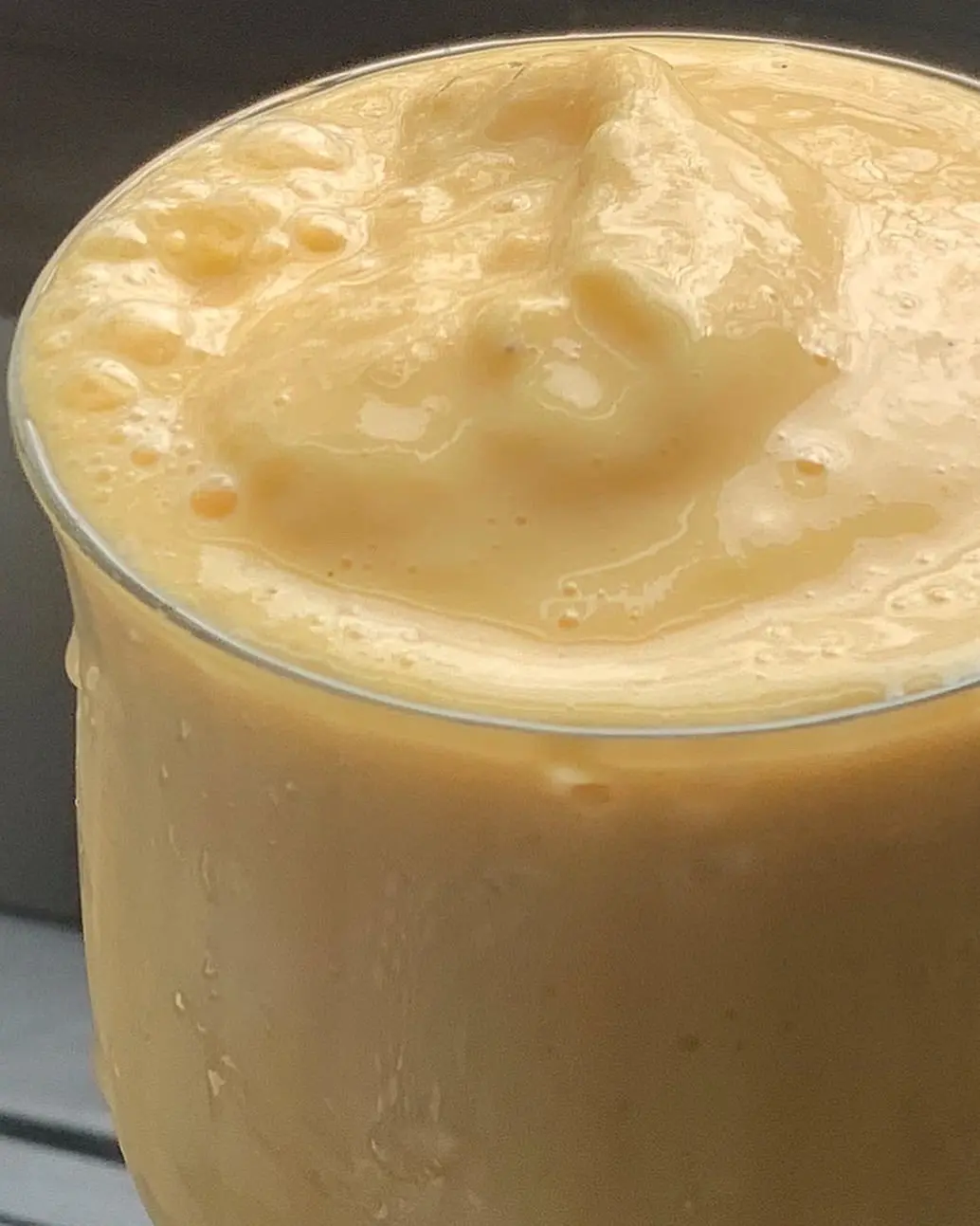
Peach, milk and coffee punches, sweet tea and celebratory drinks. A final chapter devoted to what is poured, passed and offered with the meal.
No matching dishes. Try another name or show the full archive.
Continue into the Soulful Sweets Suite, explore the family behind the work, or begin a conversation about bringing this cooking to your table.